

Virgin olive oil represents a distinct category within the broader olive oil market, characterized by specific production methods and quality parameters that distinguish it from refined alternatives. For importers, distributors, and food manufacturers, understanding the technical specifications, regulatory frameworks, and market dynamics of virgin olive oil is essential for sourcing decisions and product development. This comprehensive guide examines the production processes, quality standards, health attributes, and commercial considerations that define virgin olive oil in the global edible oils market.
Understanding Virgin Olive Oil Classification
The International Olive Council (IOC) establishes the global framework for olive oil categories, with virgin olive oil occupying a specific position in the quality hierarchy. Virgin oils are obtained exclusively from mechanical or physical processes, without chemical refinement, preserving natural characteristics and flavor compounds.
Production Methods and Extraction Standards
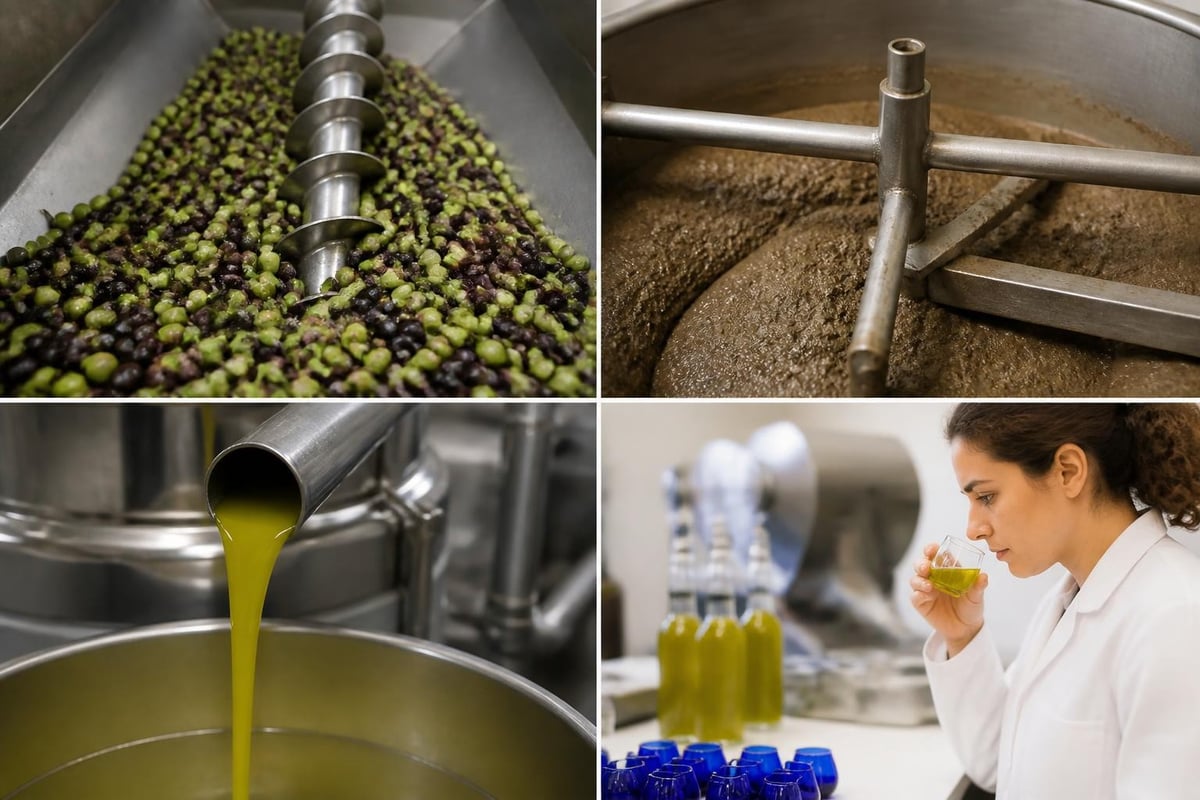
Virgin olive oil production begins with olive fruit harvesting and immediate processing to prevent oxidation and flavor degradation. The extraction process relies on mechanical crushing, malaxation (controlled mixing at temperatures below 27°C), and centrifugal separation. This cold-extraction methodology preserves polyphenols, tocopherols, and volatile aromatic compounds that define sensory profiles.
Key production parameters include:
- Temperature control: Maximum malaxation temperature of 27°C (80.6°F) to maintain "cold-pressed" designation
- Processing time: Rapid processing within 24-48 hours of harvest to minimize oxidative damage
- Mechanical extraction: Centrifugal or pressure systems without chemical solvents
- Filtration: Optional light filtration to remove solid particles while preserving flavor compounds
The absence of chemical refinement distinguishes virgin olive oil from refined olive oil, which undergoes neutralization, bleaching, and deodorization to remove defects and achieve stability.
Quality Parameters and International Standards
Virgin olive oil quality is defined by measurable chemical and sensory criteria established by the International Olive Council and adopted by regulatory bodies worldwide. These specifications create clear market differentiation between virgin olive oil grades and other categories.
Chemical Quality Indicators
| Parameter | Virgin Olive Oil | Extra Virgin Olive Oil |
|---|---|---|
| Free Acidity (oleic acid %) | ≤ 2.0% | ≤ 0.8% |
| Peroxide Value (meq O₂/kg) | ≤ 20 | ≤ 20 |
| UV Absorbency K232 | ≤ 2.50 | ≤ 2.50 |
| UV Absorbency K270 | ≤ 0.25 | ≤ 0.22 |
| Median Defect | ≤ 3.5 | 0 |
| Median Fruity | > 0 | > 0 |
Free fatty acid content serves as the primary differentiator, with virgin olive oil permitting up to 2.0% acidity compared to extra virgin's 0.8% maximum. This higher acidity threshold reflects minor quality variations from fruit condition, processing delays, or storage factors while maintaining mechanical extraction standards.
Sensory Evaluation Requirements
Trained sensory panels evaluate virgin olive oil using standardized protocols to detect defects and assess positive attributes. The European Commission olive oil regulations mandate sensory analysis alongside chemical testing for market classification.
Virgin olive oil must demonstrate:
- Median defect intensity: Between 0 and 3.5 on a 10-point scale
- Median fruity attribute: Greater than zero
- Common defects: Slight rancidity, fusty, musty, or winey notes within acceptable thresholds
- Positive attributes: Detectable fruity, bitter, or pungent characteristics
For food manufacturers and importers, sensory profiles influence application suitability. Virgin olive oil with subtle defects may perform well in cooking applications where heat diminishes sensory nuances, while extra virgin grades suit finishing and dressing applications where flavor complexity adds value.
Health Properties and Nutritional Composition
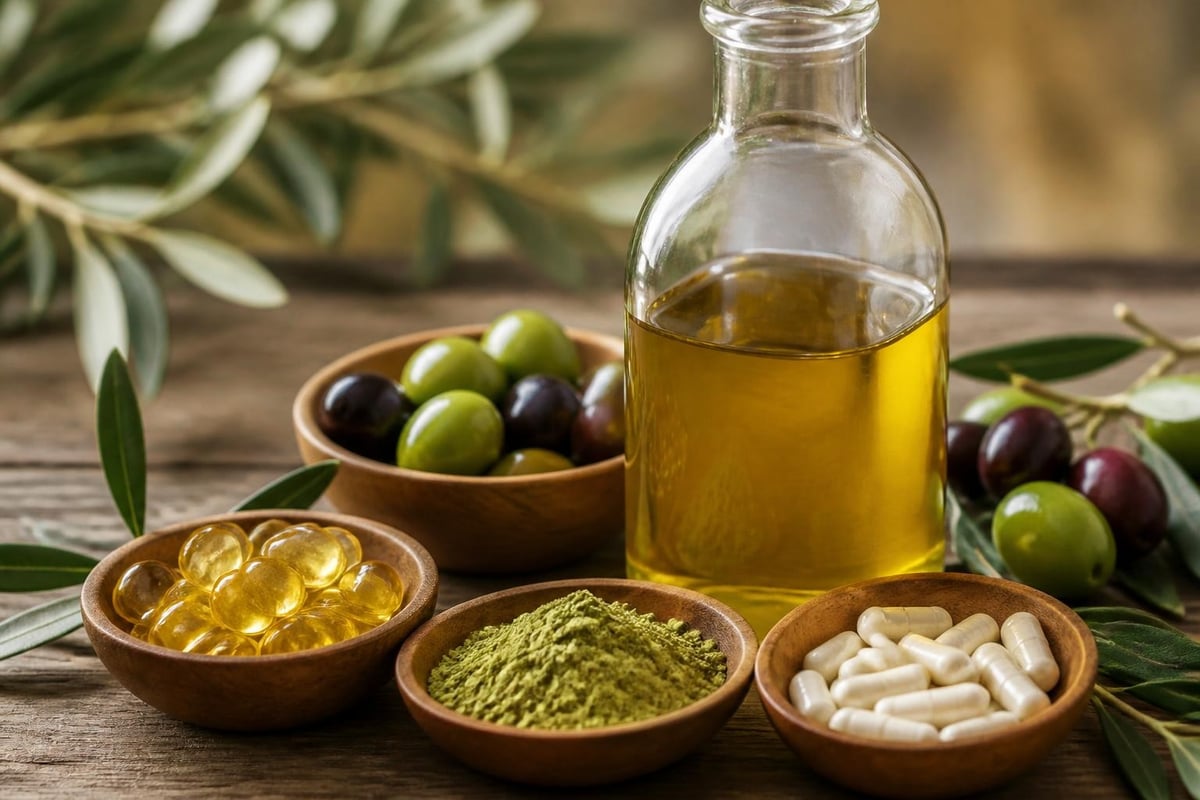
Virgin olive oil retains bioactive compounds that contribute to documented health benefits, making it an attractive ingredient for health-focused food products and foodservice operations. The mechanical extraction process preserves phenolic compounds, vitamin E, and minor constituents lost during chemical refinement.
Bioactive Compound Profile
Research demonstrates that virgin olive oil consumption correlates with cardiovascular health improvements, including favorable effects on lipid profiles, blood pressure, and inflammatory markers. A systematic review of randomized controlled trials confirmed that extra-virgin olive oil consumption improves cardiometabolic markers through multiple mechanisms.
Key bioactive constituents include:
- Polyphenols: Hydroxytyrosol, tyrosol, oleuropein derivatives (150-300 mg/kg in quality virgin oils)
- Tocopherols: Alpha-tocopherol (vitamin E) providing antioxidant protection (100-300 mg/kg)
- Squalene: Triterpene compound with potential health benefits (200-7,500 mg/kg)
- Phytosterols: Plant sterols that may support cholesterol management (1,000-2,000 mg/kg)
An umbrella review of meta-analyses examining olive oil and health outcomes found consistent associations between olive oil consumption and reduced cardiovascular disease risk, certain cancer types, and all-cause mortality. These findings support product positioning and health-focused marketing strategies for virgin olive oil products.
Regulatory Health Claims
The European Food Safety Authority (EFSA) has authorized specific health claims for olive oil polyphenols, creating opportunities for compliant product labeling. The approved claim states that olive oil polyphenols contribute to the protection of blood lipids from oxidative stress, applicable to oils containing at least 5 mg of hydroxytyrosol and derivatives per 20g of oil.
This regulatory framework enables food manufacturers to differentiate products with substantiated health messaging when virgin olive oil meets the specified polyphenol threshold. For distributors supplying health-conscious markets, documentation of polyphenol content provides competitive advantages.
Quality Assurance and Authenticity Testing
Virgin olive oil quality verification requires comprehensive analytical testing beyond basic chemical parameters. Importers and food manufacturers implement quality assurance protocols to ensure specification compliance and detect potential adulteration.
Standard Testing Methods
The USDA Agricultural Marketing Service commodity specification outlines testing protocols for procurement programs, providing guidance applicable to commercial quality control systems.
- Chemical analysis: Gas chromatography for fatty acid profiles, spectrophotometry for absorbency indices
- Sensory evaluation: Panel testing following IOC methodology with trained assessors
- Authenticity screening: Sterol composition, stigmastadiene content, alkyl ester detection
- Freshness indicators: Peroxide value, specific extinction coefficients, pyropheophytin assessment
- Contaminant testing: Pesticide residues, heavy metals, mineral oil presence
Emerging Detection Technologies
Recent advancements in analytical chemistry provide rapid screening methods for quality verification. Research on differential scanning calorimetry (DSC) combined with Fourier-transform infrared spectroscopy (FTIR) demonstrates effective detection of virgin olive oil adulteration with refined oils or other vegetable oils.
These non-destructive techniques offer:
- Rapid analysis: Results within minutes rather than hours for traditional methods
- Cost efficiency: Lower per-sample testing costs for high-volume screening
- Pattern recognition: Chemometric models identify adulteration signatures
- Minimal sample preparation: Direct measurement without extensive extraction procedures
For importers managing supply chains across multiple origins, implementing tiered testing protocols-rapid screening followed by comprehensive confirmation testing-optimizes quality assurance efficiency while controlling costs.
Market Applications and Commercial Considerations
Virgin olive oil serves diverse applications across foodservice, food manufacturing, and retail channels. Understanding use-case suitability and pricing dynamics informs sourcing strategies and product development decisions.
Application Suitability by Sector
| Application Sector | Virgin Olive Oil Suitability | Key Considerations |
|---|---|---|
| Restaurant cooking | High | Moderate smoke point (380-410°F), acceptable flavor for high-heat applications |
| Food manufacturing | Moderate | Batch-to-batch consistency critical, sensory defects less detectable in processed foods |
| Retail bottling | Moderate to High | Price sensitivity, quality perception varies by market segment |
| Dressing/marinade | High | Flavor characteristics add value, cold applications showcase quality |
| Industrial frying | Low | Higher-quality grades economically inefficient for high-temperature continuous frying |
Virgin olive oil's moderate smoke point suits sautéing, baking, and general cooking applications where temperatures remain below 380°F. For operations requiring higher heat stability, refined olive oil or specialized high-oleic vegetable oils may provide better performance characteristics.
Pricing Dynamics and Value Positioning
Virgin olive oil typically commands premium pricing over refined olive oil due to mechanical extraction costs and lower yields, while positioning below extra virgin grades in price hierarchy. Market pricing reflects origin, harvest quality, and brand positioning strategies.
Price influencers include:
- Harvest conditions: Weather impacts fruit quality and oil yields, creating year-to-year price volatility
- Origin reputation: Mediterranean regions command premiums based on historical quality associations
- Certification programs: PDO/PGI designations, organic certification affect market positioning
- Packaging and distribution: Retail channel pricing incorporates higher marketing and logistics costs
For importers and distributors, understanding these dynamics enables strategic sourcing decisions that balance quality specifications against target market price sensitivity.
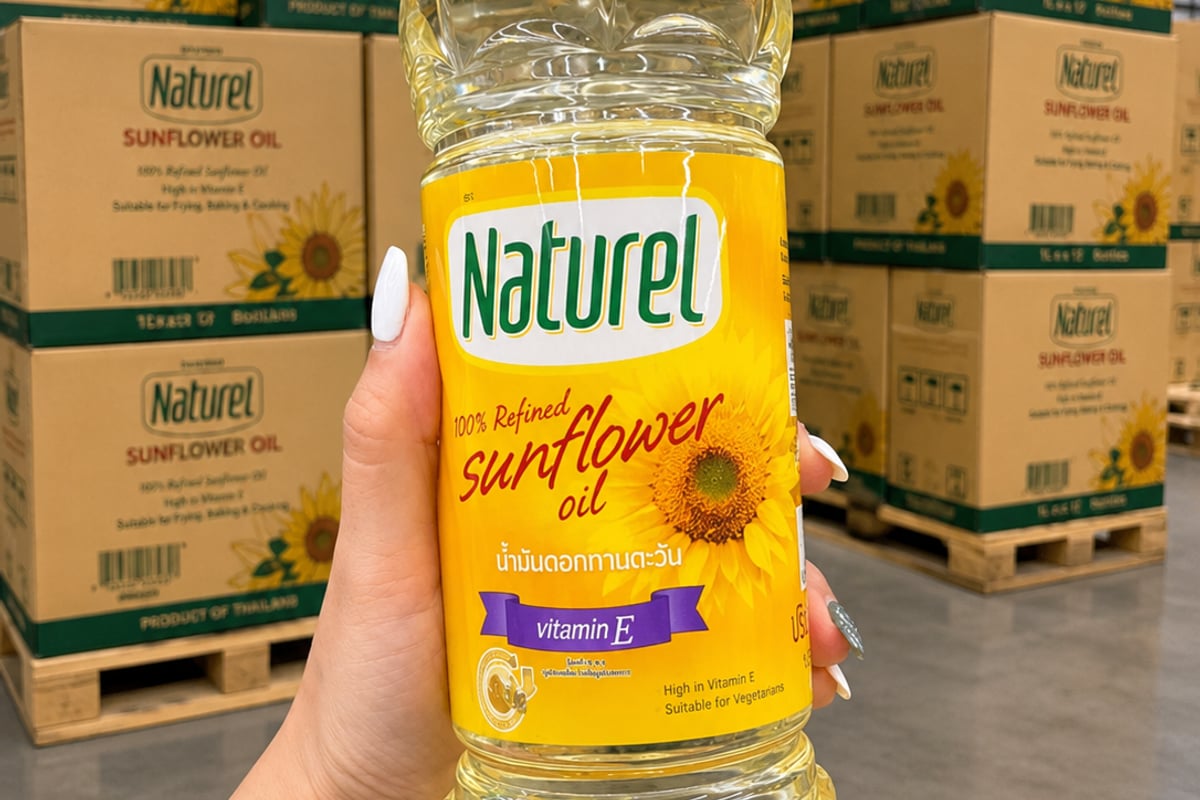
When evaluating vegetable oil sourcing strategies, importers should consider the full spectrum of refined oils that complement specialty products like virgin olive oil. Refined Sunflower Oil offers neutral flavor profiles and high smoke points suitable for applications where virgin olive oil's distinctive characteristics or price point may not align with product requirements, providing sourcing flexibility across diverse manufacturing needs.
Regulatory Frameworks and Trade Compliance
Virgin olive oil international trade operates within complex regulatory environments that vary by importing jurisdiction. Food manufacturers and distributors must navigate labeling requirements, quality standards, and documentation protocols to ensure market access and compliance.
Global Regulatory Approaches
Different markets apply varying regulatory frameworks based on IOC standards, regional regulations, or national specifications:
- European Union: Mandatory compliance with Commission Delegated Regulation (EU) 2022/2104, requiring chemical and sensory testing, specific labeling elements, and origin declarations
- United States: FDA labeling regulations apply; USDA commodity specifications guide institutional procurement but voluntary for commercial trade
- Australia/New Zealand: Adoption of IOC standards through Food Standards Australia New Zealand (FSANZ) code
- Asian markets: Variable adoption of international standards; some jurisdictions lack specific olive oil regulations
Understanding target market requirements prevents costly compliance failures and facilitates smooth customs clearance.
Labeling and Traceability Requirements
Virgin olive oil labeling must accurately reflect quality grade, origin information, and specific characteristics. Misleading designations create legal liability and damage brand reputation. Research from UC Davis Olive Center highlighting quality issues in retail samples underscores the importance of rigorous supplier qualification and ongoing verification.
Essential labeling elements include:
- Accurate grade designation: "Virgin olive oil" with proper qualification
- Origin information: Country of origin or more specific geographic indicators as required
- Processing method: "Cold-pressed" or "first cold-pressed" only if specifications met
- Best-before dating: Typically 18-24 months from bottling for virgin olive oil
- Storage guidance: Light and heat protection recommendations
- Net quantity: Volume declarations in appropriate units for market
For private-label programs and brand development, working with experienced suppliers who understand regulatory nuances across multiple markets reduces compliance risk and accelerates market entry.
Storage, Handling, and Shelf Life Management
Virgin olive oil stability and quality preservation depend on proper storage conditions throughout the supply chain. Oxidation, light exposure, and temperature fluctuations degrade sensory quality and nutritional properties, affecting product value and consumer satisfaction.
Optimal Storage Parameters
Implementing controlled storage conditions protects virgin olive oil investment and maintains specification compliance:
- Temperature: 57-70°F (14-21°C) ideal range; avoid temperature fluctuations above 77°F (25°C)
- Light exposure: Opaque containers or dark storage areas prevent photooxidation
- Oxygen contact: Minimal headspace in containers, nitrogen blanketing for bulk storage
- Humidity: Low-humidity environments prevent label damage and package degradation
- Container material: Stainless steel, dark glass, or food-grade plastic approved for oil contact
Shelf Life Considerations
Virgin olive oil shelf life typically ranges from 18-24 months under proper storage conditions, though quality gradually declines from bottling. Polyphenol content decreases over time, reducing both flavor intensity and health-promoting properties.
Quality monitoring protocols should include:
- Regular peroxide value testing to track oxidation progression
- Sensory panel evaluation for defect development
- Free fatty acid monitoring for hydrolytic rancidity
- UV absorbency measurement for oxidation markers
For importers managing inventory across multiple markets, implementing first-in-first-out rotation systems and monitoring remaining shelf life prevents quality deterioration and customer complaints.
Sourcing Strategies and Supplier Evaluation
Successful virgin olive oil sourcing requires comprehensive supplier evaluation that extends beyond price comparison. Quality consistency, traceability systems, and technical support capabilities differentiate reliable partners from commodity brokers.
Supplier Qualification Criteria
Establishing supplier qualification frameworks ensures long-term supply chain reliability:
Technical capabilities:
- In-house laboratory testing capacity and third-party certification
- Documented quality management systems (ISO 22000, FSSC 22000)
- Traceability protocols linking finished products to source orchards
- Sensory panel capability and training verification
Commercial factors:
- Financial stability and production capacity to meet volume requirements
- Flexibility in packaging configurations and private-label programs
- Responsive technical support for specification questions
- Track record with similar customers in target market segments
Regulatory compliance:
- Certifications relevant to target markets (organic, kosher, halal)
- Documentation systems supporting customs compliance
- Understanding of destination market labeling requirements
- Crisis management protocols for recall scenarios
Supply Chain Transparency
Virgin olive oil's quality sensitivity makes supply chain transparency particularly valuable. Understanding cultivation practices, harvest timing, and processing methods enables better quality prediction and risk assessment. Suppliers providing orchard-level traceability and harvest date documentation facilitate quality verification and support premium positioning strategies.
Consider requesting:
- Harvest reports: Timing, weather conditions, fruit maturity indicators
- Processing records: Extraction temperatures, time from harvest to processing
- Analytical certificates: Batch-specific test results for key quality parameters
- Sensory panel reports: Professional tasting notes documenting flavor profiles
This documentation supports quality claims, enables batch-to-batch comparison, and provides evidence for dispute resolution when specifications aren't met.
Future Trends and Market Evolution
The virgin olive oil market continues evolving in response to consumer preferences, technological advances, and sustainability considerations. Understanding emerging trends helps importers and food manufacturers anticipate market shifts and identify growth opportunities.
Sustainability and Production Practices
Consumer and corporate sustainability commitments increasingly influence olive oil sourcing decisions. Environmental considerations include water usage, carbon footprint, biodiversity impacts, and social responsibility in cultivation regions.
Sustainability indicators gaining traction:
- Regenerative agriculture: Soil health practices, carbon sequestration, biodiversity enhancement
- Water stewardship: Efficient irrigation, drought-resistant varieties, watershed protection
- Carbon neutrality: Renewable energy in processing, optimized logistics, carbon offset programs
- Social responsibility: Fair labor practices, community investment, transparent supply chains
Food manufacturers serving sustainability-conscious retail channels or institutional customers should evaluate supplier environmental programs and certification options that document performance improvements.
Technology Integration
Digital technologies are transforming olive oil quality assurance and supply chain management. Blockchain-based traceability systems, artificial intelligence for quality prediction, and IoT sensors for storage monitoring create new capabilities for quality verification and fraud prevention.
Emerging applications include:
- Blockchain traceability: Immutable records linking consumer products to source orchards
- AI quality prediction: Machine learning models correlating harvest conditions with oil characteristics
- Rapid testing devices: Portable analyzers for field-based quality screening
- Smart packaging: Temperature indicators and freshness sensors informing handling decisions
Early adopters of these technologies gain competitive advantages in premium market segments where authenticity verification and quality transparency command price premiums.
Understanding virgin olive oil's technical specifications, quality parameters, and commercial dynamics enables informed sourcing decisions that balance cost, quality, and application requirements. For importers, distributors, and food manufacturers seeking reliable supplies of high-quality edible oils across multiple categories, partnering with established suppliers provides access to technical expertise, consistent quality, and comprehensive product portfolios. Thai Cooking Oils offers a complete range of refined vegetable oils alongside olive oil selections, supported by quality assurance systems and global logistics capabilities that meet the demanding requirements of international food industry customers.
