

Rice bran oil, extracted from the outer layer of rice grains, has emerged as one of the most versatile and health-conscious options for commercial and home cooking applications. With its exceptional nutritional profile, high smoke point, and neutral flavor, bran oil for cooking offers food manufacturers, restaurants, and distributors a compelling alternative to traditional vegetable oils. As global demand for functional foods continues to rise, understanding the unique properties and applications of this oil becomes increasingly important for businesses seeking to meet consumer expectations for both quality and health benefits.
Understanding Rice Bran Oil Composition
Rice bran oil stands apart from conventional cooking oils due to its distinctive fatty acid profile and bioactive compound content. The oil contains approximately 47% monounsaturated fats, 33% polyunsaturated fats, and 20% saturated fats, creating a balanced composition that supports cardiovascular health while maintaining excellent stability during cooking.
Key Bioactive Compounds
The nutritional superiority of bran oil for cooking stems primarily from its unique phytochemical composition. γ-oryzanol, a mixture of ferulic acid esters, comprises up to 2% of the oil and demonstrates powerful antioxidant properties. This compound has been linked to cholesterol reduction and cardiovascular protection through multiple mechanisms.
Beyond oryzanol, the oil delivers substantial amounts of:
- Tocotrienols and tocopherols (vitamin E family) providing antioxidant protection
- Phytosterols supporting cholesterol management
- Squalene offering additional antioxidant capacity
- Polyphenols contributing to oxidative stability
These compounds work synergistically to extend shelf life and preserve quality during storage and repeated heating cycles, making bran oil for cooking particularly valuable in commercial food production settings.
Extraction and Processing Methods
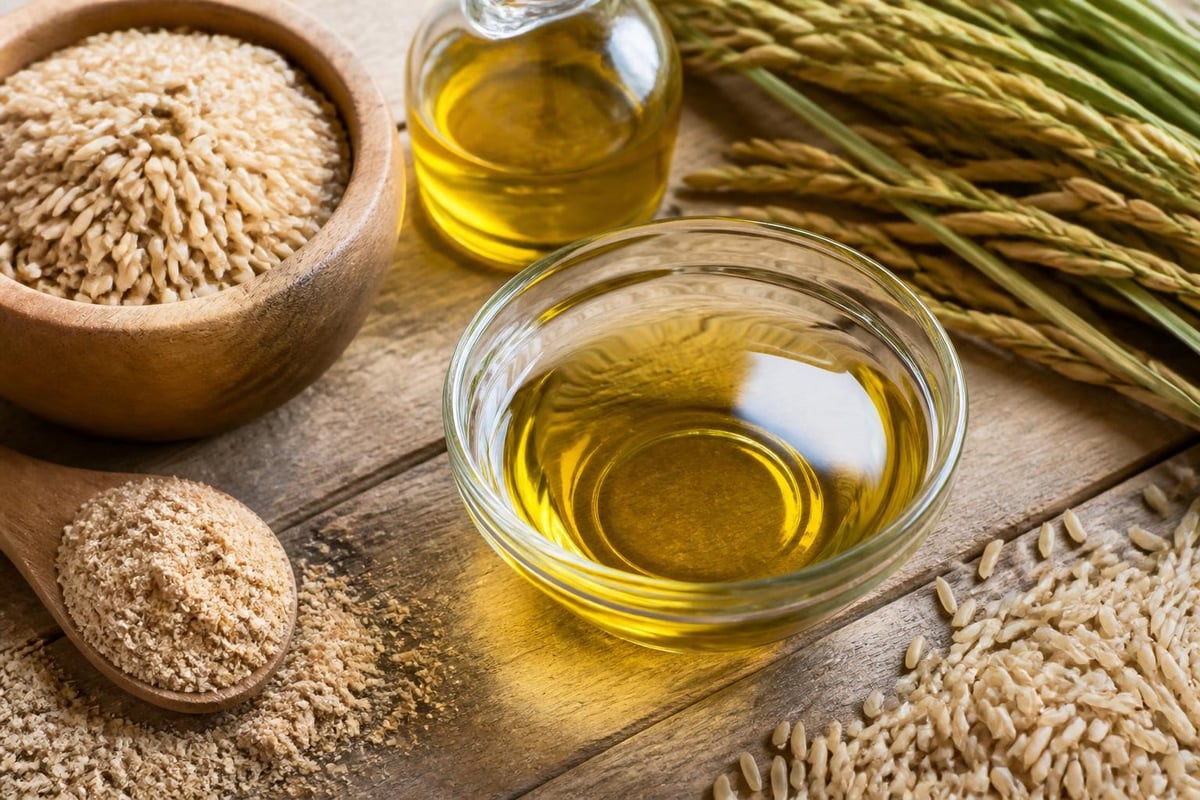
Modern production of bran oil for cooking involves sophisticated extraction and refining techniques that maximize yield while preserving beneficial compounds. The rice bran itself presents unique challenges, as it contains active lipase enzymes that rapidly degrade oil quality if not properly stabilized immediately after milling.
Stabilization and Extraction
Processors must stabilize fresh rice bran within hours of separation from the rice kernel to prevent enzymatic hydrolysis. Green extraction technologies including enzymatic treatment, microwave-assisted extraction, and supercritical CO₂ extraction have gained traction for their ability to improve yield while reducing environmental impact.
Traditional solvent extraction using hexane remains the most economically viable method for large-scale production, typically achieving oil recovery rates of 18-22% from rice bran. The crude oil then undergoes refining, bleaching, and deodorization (RBD process) to produce the clear, neutral-tasting product familiar to commercial buyers.
| Processing Stage | Purpose | Key Parameters |
|---|---|---|
| Stabilization | Enzyme inactivation | 100-120°C, 15-20 minutes |
| Extraction | Oil recovery | Hexane solvent, 50-60°C |
| Refining | Free fatty acid removal | Caustic neutralization |
| Bleaching | Color and impurity removal | Activated clay, vacuum |
| Deodorization | Flavor neutralization | Steam distillation, 230-250°C |
The refining process must carefully balance the removal of undesirable components while retaining beneficial bioactives, particularly the heat-sensitive oryzanol and tocotrienols that distinguish this oil in the marketplace.
Cooking Performance Characteristics
The culinary advantages of bran oil for cooking become apparent when examining its physical and chemical properties under heat stress. With a smoke point ranging from 232°C to 254°C (450°F to 490°F), this oil outperforms many common alternatives, making it exceptionally suitable for high-temperature applications.
High-Heat Stability
Research comparing vacuum versus atmospheric frying conditions has demonstrated that rice bran oil maintains superior oxidative stability even after repeated heating cycles. The oil's balanced fatty acid composition and natural antioxidant content contribute to minimal formation of harmful polar compounds during frying operations.
Food manufacturers utilizing bran oil for cooking in production environments benefit from:
- Extended frying oil life reducing replacement frequency and operational costs
- Minimal flavor transfer between batches of different products
- Reduced oil absorption in fried foods, creating lighter finished products
- Stable performance across batch and continuous frying systems
The neutral taste profile allows the oil to complement rather than compete with food flavors, making it ideal for applications where ingredient tastes should remain prominent. This characteristic proves particularly valuable in Asian cuisine applications and products where subtle seasoning profiles define the eating experience.
Health Benefits for Consumers
Commercial food producers increasingly recognize that ingredient selection directly impacts brand positioning and consumer appeal. Bran oil for cooking delivers measurable health advantages that resonate with wellness-focused demographics.
Cardiovascular Support
Clinical evidence demonstrates that regular consumption of rice bran oil can reduce total cholesterol levels by approximately 7% and LDL cholesterol by up to 10% when substituted for other cooking oils in the diet. The mechanism involves multiple pathways, including reduced cholesterol absorption in the intestine and enhanced bile acid excretion.
Oryzanol specifically inhibits cholesterol absorption by approximately 10-15%, while phytosterols contribute an additional 5-10% reduction through competitive inhibition at intestinal absorption sites. These effects make bran oil for cooking an attractive ingredient for products marketed toward heart-health conscious consumers.
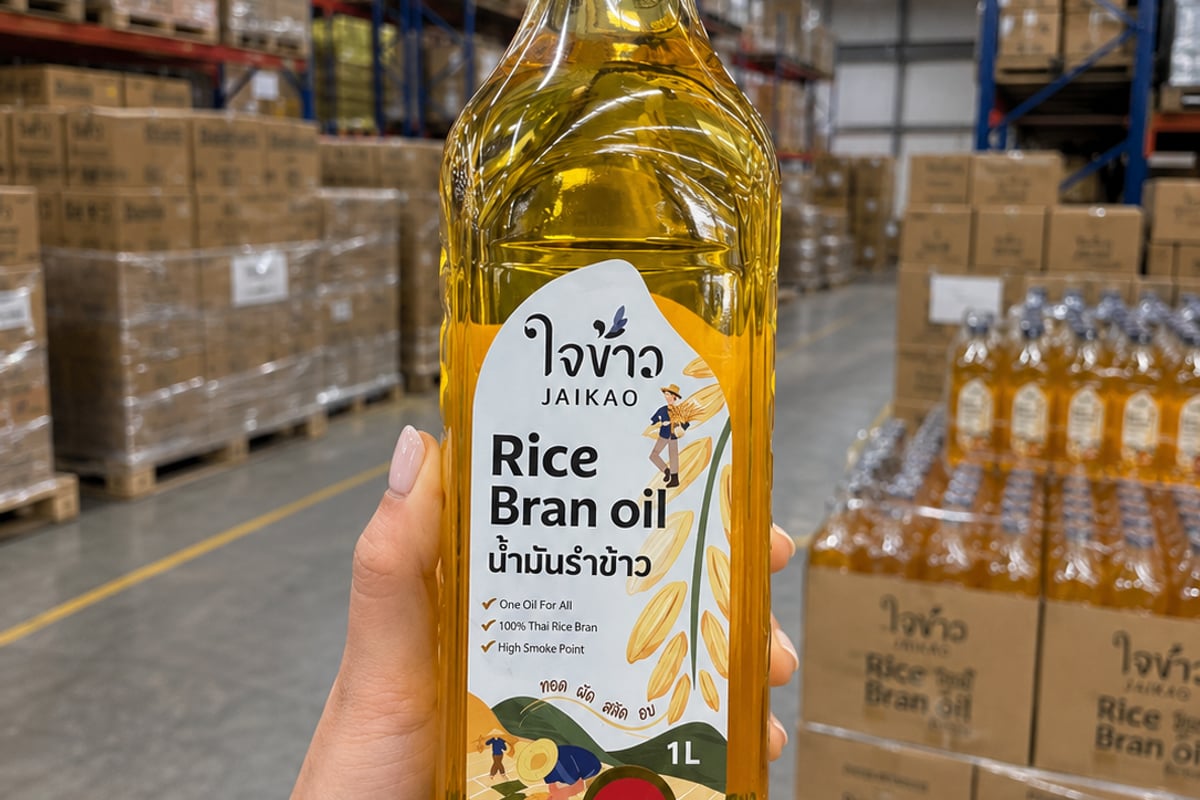
Thai Cooking Oils produces premium Rice Bran Cooking Oil from Thailand that maintains optimal levels of naturally occurring oryzanol and vitamin E compounds through carefully controlled refining processes. Our wholesale rice bran oil undergoes rigorous quality testing to ensure each batch delivers consistent performance characteristics and nutritional value that meet international standards for export markets.
Additional Wellness Attributes
Beyond cardiovascular benefits, the bioactive profile supports multiple health objectives:
- Antioxidant protection reducing cellular oxidative stress
- Anti-inflammatory properties through tocotrienol activity
- Skin health support when used in food applications
- Blood sugar modulation improving postprandial glucose response
These attributes position bran oil for cooking as a functional ingredient rather than simply a cooking medium, enabling product developers to create value-added formulations that command premium pricing.
Commercial Applications and Uses
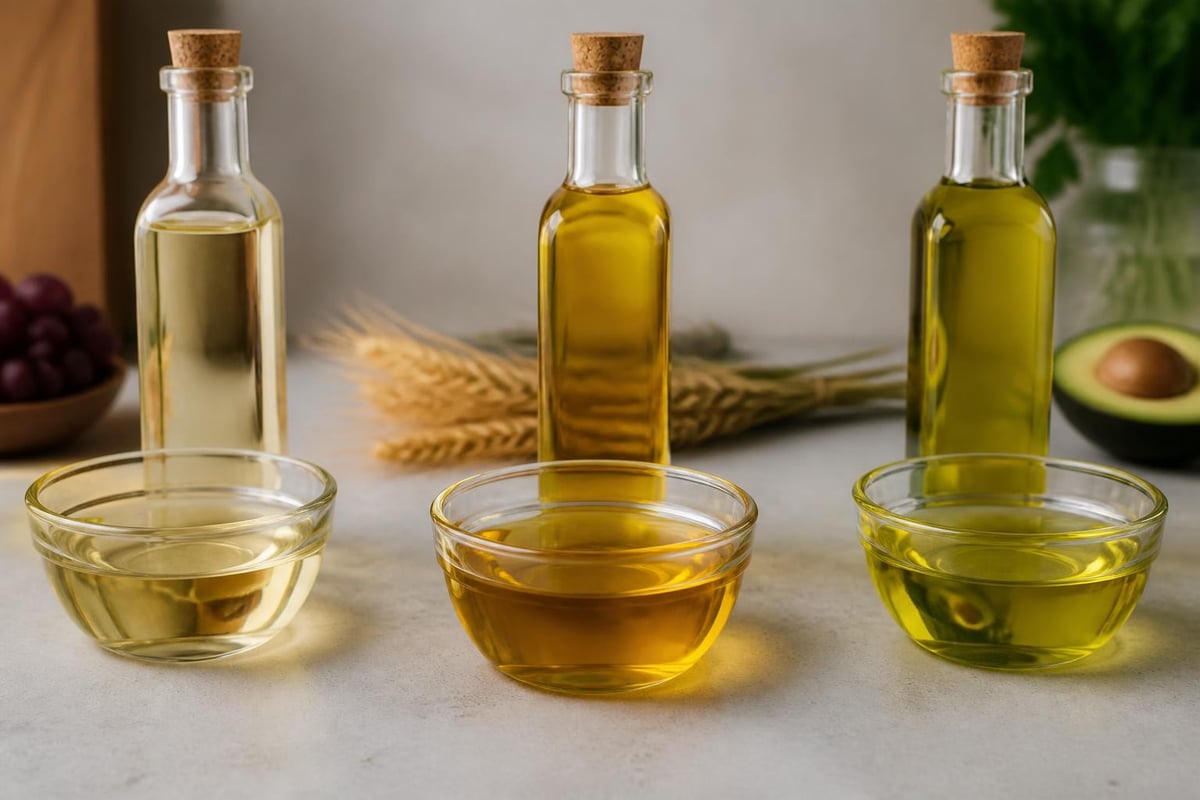
The versatility of bran oil for cooking extends across multiple food industry segments, from restaurant operations to packaged food manufacturing. Understanding optimal applications helps businesses maximize the value of this premium ingredient.
Food Service Operations
Restaurants specializing in Asian cuisine have long recognized rice bran oil as an authentic ingredient that enhances traditional preparations. The oil's ability to withstand wok cooking temperatures (often exceeding 200°C) without smoking or breaking down makes it indispensable for stir-frying operations.
High-volume frying operations benefit substantially from the extended usable life of bran oil for cooking. Quick-service restaurants report 20-30% longer frying cycles compared to commodity vegetable oils, translating directly to reduced oil costs and simplified operations. The minimal flavor carryover between product batches also enables greater menu flexibility without dedicated fryer assignment.
Food Manufacturing Applications
Product developers incorporate rice bran oil across diverse categories:
Snack foods: Extended shelf life and resistance to rancidity make it ideal for chips, crackers, and extruded snacks where oxidative stability directly impacts consumer acceptance and distribution economics.
Bakery products: The neutral flavor and light texture enhance cakes, pastries, and bread formulations without adding unwanted taste notes, while the oil's emulsification properties improve texture and moisture retention.
Salad dressings and marinades: Room-temperature fluidity and clean taste profile create versatile bases for both Asian and Western flavor systems.
Ready-to-eat meals: Heat tolerance supports retort processing and reheating cycles common in prepared food distribution.
Quality Specifications for Commercial Buyers
Importers and distributors evaluating bran oil for cooking suppliers should establish clear quality parameters that ensure consistent product performance and regulatory compliance across destination markets.
Critical Quality Parameters
| Parameter | Specification Range | Significance |
|---|---|---|
| Free Fatty Acid | ≤0.1% (as oleic acid) | Freshness indicator |
| Peroxide Value | ≤2.0 meq O₂/kg | Oxidative stability |
| Moisture Content | ≤0.05% | Shelf life and stability |
| Iodine Value | 92-108 | Fatty acid unsaturation |
| Oryzanol Content | 1.5-2.0% | Bioactive potency |
| Color (Lovibond) | R 2.0, Y 20 max | Processing quality |
| Smoke Point | ≥230°C | Cooking performance |
Sophisticated buyers increasingly request certificates of analysis documenting these parameters for each shipment, along with country-of-origin documentation and non-GMO certification where applicable.
Sourcing Considerations
Thailand represents a strategic sourcing origin for bran oil for cooking due to its position as a major rice producer with established oil processing infrastructure. Thai suppliers typically offer competitive pricing combined with reliable quality and well-developed logistics networks serving major import markets.
When evaluating potential suppliers, Harvard Health recommends looking for transparency in processing methods and third-party quality verification to ensure consistency across shipments. Container load economics favor bulk purchases, with flexitank and IBC configurations offering cost advantages over drummed product for high-volume users.
Competitive Positioning Against Alternative Oils
Understanding how bran oil for cooking compares to other options helps businesses make informed procurement decisions aligned with their product positioning and target markets.
Comparative Analysis
Versus sunflower oil: Rice bran oil offers superior heat stability and a more favorable omega-6 to omega-3 ratio, though sunflower oil typically costs less. The nutritional premium justifies higher pricing in health-focused applications.
Versus canola oil: Both oils deliver heart-healthy fatty acid profiles, but rice bran oil provides unique bioactives not present in canola. Canola's lower saturated fat content appeals to specific dietary guidelines, while rice bran's oryzanol content offers distinct functional benefits.
Versus olive oil: Rice bran oil significantly outperforms olive oil in high-heat applications due to its higher smoke point. While olive oil commands premium pricing based on Mediterranean diet associations, rice bran oil offers comparable monounsaturated fat levels with better cooking performance.
Versus palm oil: Rice bran oil avoids sustainability concerns associated with palm cultivation while delivering superior nutritional properties. The premium pricing reflects both enhanced health attributes and clean-label appeal.
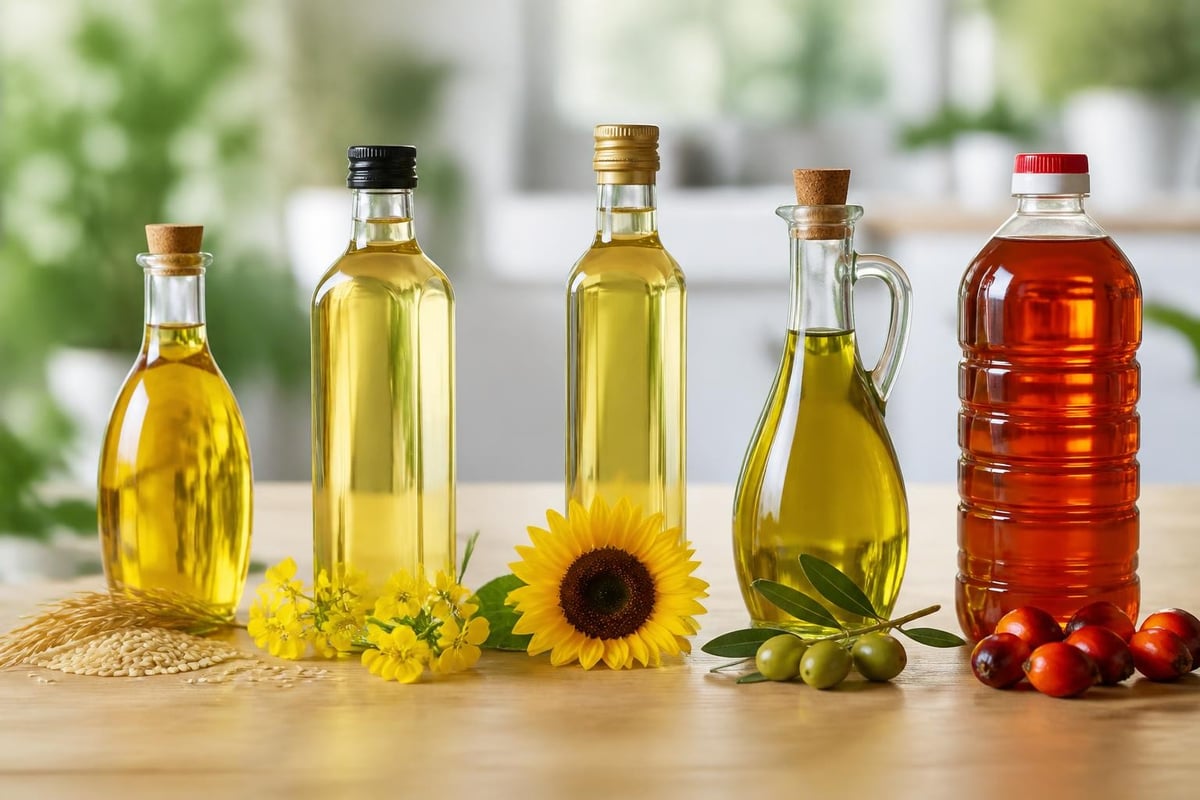
The decision matrix balances cost considerations against performance requirements and marketing objectives, with bran oil for cooking occupying a premium niche justified by measurable functional and nutritional advantages.
Storage and Handling Best Practices
Maximizing the shelf life and performance of bran oil for cooking requires attention to storage conditions and handling procedures throughout the distribution chain.
Optimal Storage Conditions
Rice bran oil demonstrates excellent shelf stability under proper conditions, typically maintaining quality for 12-18 months from production. Key storage requirements include:
- Temperature control: Store at 15-25°C to minimize oxidation rates
- Light protection: UV exposure accelerates degradation of tocotrienols
- Oxygen exclusion: Nitrogen blanketing extends shelf life in partially filled containers
- Container integrity: Stainless steel or food-grade plastic prevents contamination
The oil's natural antioxidant content provides inherent protection against rancidity, but proper handling amplifies this advantage. Distributors serving warm climates should prioritize temperature-controlled warehousing to preserve quality through the distribution cycle.
Quality Monitoring
Implementing periodic testing protocols helps identify degradation before it impacts end-user experience. Simple field tests include:
- Sensory evaluation: Fresh oil should exhibit neutral aroma and taste
- Visual inspection: Color should remain clear and golden without darkening
- Smoke point verification: Degraded oil smokes at lower temperatures
- Periodic laboratory analysis: Track peroxide value and free fatty acid development
Establishing quality monitoring procedures protects brand reputation and ensures consistent customer satisfaction across production runs and storage periods.
Regulatory and Certification Considerations
International trade in bran oil for cooking involves navigating diverse regulatory frameworks and certification requirements that vary by destination market.
Key Certifications
Food safety standards: HACCP, ISO 22000, and FSSC 22000 certification demonstrate systematic food safety management throughout production. Major importers increasingly require these credentials from approved supplier lists.
Quality standards: ISO 9001 certification indicates commitment to consistent quality management, while Codex Alimentarius specifications provide internationally recognized compositional standards.
Sustainability certification: While less established for rice bran oil than palm oil, some buyers request sustainable agriculture certification or non-GMO project verification to align with corporate sustainability commitments.
Kosher and Halal: Religious dietary certifications expand market access to specific consumer segments and institutional buyers requiring compliant ingredients.
Understanding destination market requirements before finalizing supply relationships prevents costly compliance issues and enables smooth customs clearance for international shipments.
Market Trends and Future Outlook
The global market for bran oil for cooking continues expanding as consumer awareness of its benefits grows and food manufacturers seek functional ingredients that support health positioning.
Growth Drivers
Several interconnected trends support sustained market expansion:
Health consciousness: Rising chronic disease prevalence drives demand for foods supporting cardiovascular health and weight management. Rice bran oil's clinical evidence base positions it favorably for health-forward brands.
Clean label movement: Consumers increasingly scrutinize ingredient lists, favoring recognizable, minimally processed components. Rice bran oil's natural origin and simple production process align with these preferences.
Asian cuisine globalization: Growing popularity of Asian restaurants and prepared foods outside traditional markets creates authentic ingredient demand, with rice bran oil representing culinary tradition.
Foodservice premiumization: Restaurants differentiate through ingredient quality, making premium cooking oils like rice bran an accessible upgrade supporting menu positioning.
Regional market dynamics show particularly strong growth in health-conscious markets including Japan, South Korea, Taiwan, and urban China, while emerging awareness in North America and Europe suggests significant untapped potential.
Rice bran oil represents a sophisticated choice for businesses seeking to balance cooking performance, nutritional value, and consumer appeal in their product formulations and food service operations. The oil's unique combination of high-heat stability, heart-healthy compounds, and neutral flavor profile addresses multiple commercial objectives simultaneously. Whether you're a food manufacturer developing new products, a distributor expanding your portfolio, or a restaurant operator seeking quality ingredients, Thai Cooking Oils provides reliable access to premium rice bran oil and other refined vegetable oils backed by rigorous quality control and international shipping expertise.
