

Selecting the right vegetable oil for frying applications represents one of the most critical decisions food manufacturers, restaurant operators, and distributors face in 2026. With consumer demand for healthier options rising alongside regulatory scrutiny of trans fats and oxidative compounds, understanding the technical characteristics, safety parameters, and economic considerations of frying oils has never been more important. This comprehensive guide explores the science behind high-temperature cooking applications, quality indicators to monitor throughout the frying lifecycle, and strategic sourcing decisions that impact both product quality and operational profitability.
Understanding Smoke Points and Thermal Stability
The smoke point of vegetable oil for frying determines the maximum safe temperature before breakdown begins. This threshold varies significantly across oil types and directly influences which applications suit each variety.
Critical Temperature Thresholds
Refined oils typically offer superior smoke points compared to unrefined alternatives because the refining process removes free fatty acids, phospholipids, and other compounds that accelerate degradation. High-oleic sunflower oil reaches approximately 440°F (227°C), making it ideal for deep frying operations requiring sustained high temperatures. Canola oil maintains stability around 400°F (204°C), while soybean oil performs reliably at 450°F (232°C) for refined versions.
Key factors affecting thermal stability:
- Degree of saturation in fatty acid composition
- Presence of natural or added antioxidants
- Refining methods and purity levels
- Storage conditions before use
- Moisture content in the oil
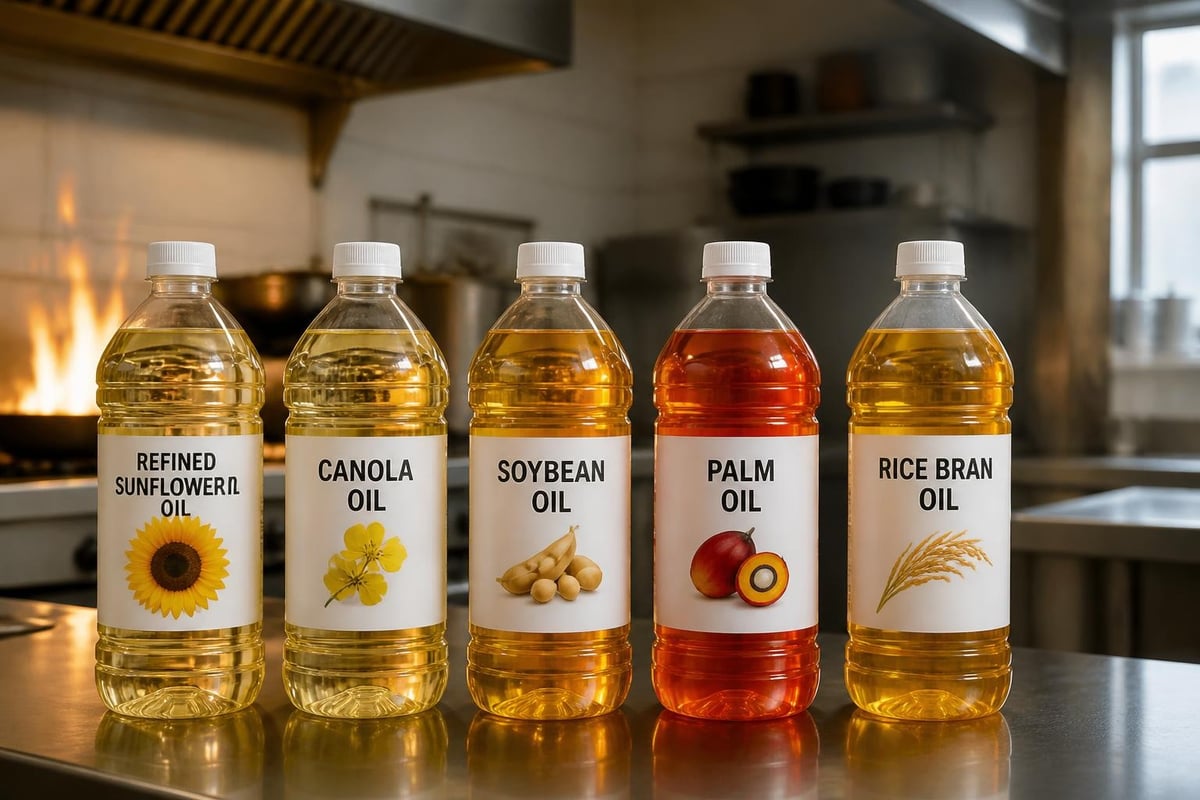
Food manufacturers must balance smoke point requirements with flavor profiles and nutritional considerations. Research indicates that plant-derived natural antioxidants improve oxidation resistance in edible oils, extending usable frying time and maintaining quality standards.
Fatty Acid Composition and Frying Performance
The molecular structure of vegetable oil for frying fundamentally determines its behavior under heat. Monounsaturated and saturated fats demonstrate greater stability than polyunsaturated varieties during prolonged heating cycles.
| Oil Type | Saturated Fat | Monounsaturated Fat | Polyunsaturated Fat | Frying Suitability |
|---|---|---|---|---|
| Palm Oil | 49% | 37% | 14% | Excellent |
| Canola Oil | 7% | 61% | 32% | Very Good |
| Sunflower Oil (high-oleic) | 10% | 84% | 6% | Excellent |
| Soybean Oil | 15% | 24% | 61% | Good |
| Rice Bran Oil | 25% | 38% | 37% | Very Good |
Palm oil's balanced fatty acid profile contributes to exceptional oxidative stability, particularly valuable for extended frying operations in snack food manufacturing and quick-service restaurants. The higher saturated fat content provides structural benefits while the moderate monounsaturated portion maintains acceptable nutritional characteristics.
Oxidation Resistance Strategies
Preventing lipid oxidation extends oil life and preserves food quality throughout production cycles. Operators should implement comprehensive monitoring protocols that track color changes, foam development, and polar compound accumulation.
Advanced filtration systems remove particulate matter between batches, while nitrogen blanketing in storage tanks minimizes oxygen exposure. Temperature control represents the single most effective oxidation prevention measure, as each 18°F (10°C) increase above optimal frying range approximately doubles degradation rates.
Health Considerations and Regulatory Compliance
Trans fat formation during high-temperature cooking has prompted regulatory action globally. The WHO recommends limiting trans fat intake to less than 1% of total energy consumption, making oil selection increasingly important for compliance-focused operations.
Minimizing Harmful Compound Formation
Acrylamide formation in starchy foods during frying presents another health concern addressed by food safety authorities. The Food Standards Australia New Zealand provides current guidance on reducing exposure through temperature management and preparation techniques.
Best practices for healthier frying:
- Maintain frying temperatures between 325°F-375°F (163°C-190°C) for most applications
- Replace oil when total polar materials exceed 24-27%
- Avoid mixing fresh and used oils without quality testing
- Use oils naturally low in linolenic acid to reduce polymerization
- Monitor free fatty acid levels below 0.05% for optimal performance
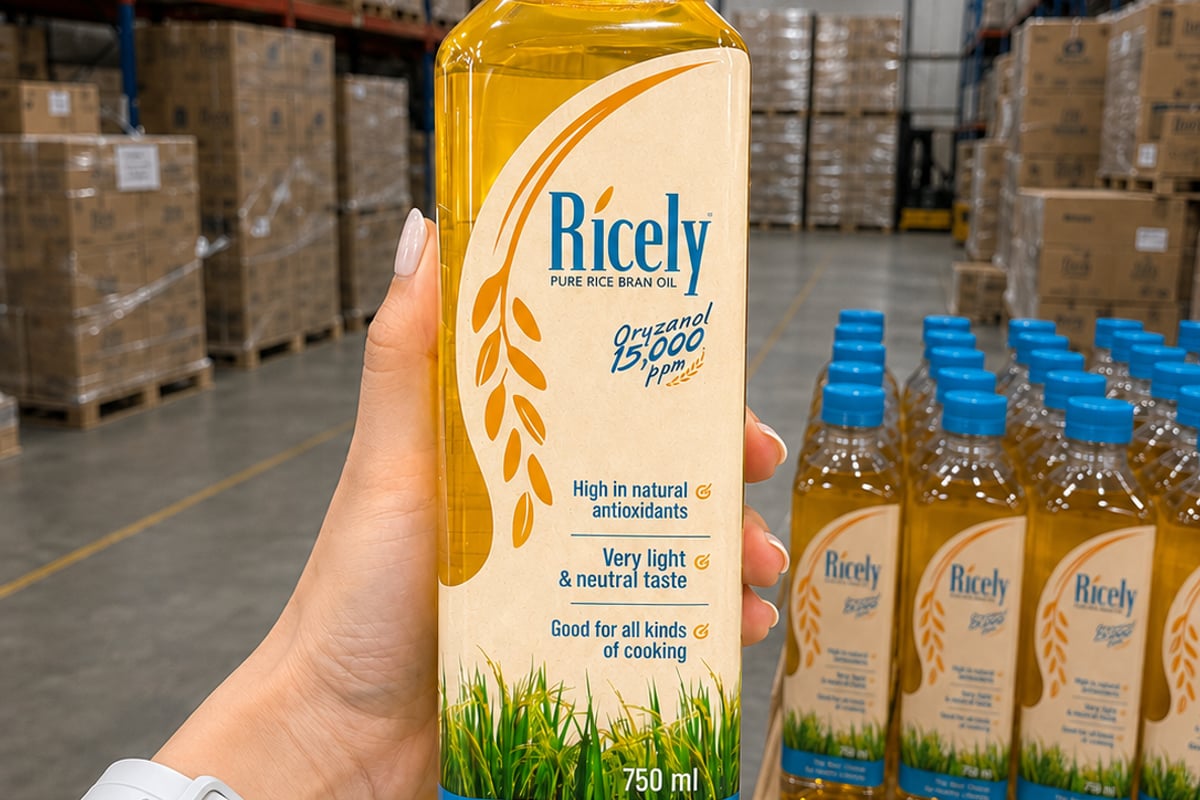
The choice of vegetable oil for frying directly impacts the nutritional profile of finished products. High-oleic varieties provide superior heart-health characteristics while maintaining the functionality required for commercial operations. Rice bran oil offers exceptional balance with naturally occurring oryzanol compounds that support cardiovascular health and demonstrate enhanced stability under frying conditions.
Oil Reuse Protocols and Quality Testing
Economic pressures encourage maximum utilization of frying oil, yet safety and quality standards mandate disciplined replacement schedules. The Singapore Food Agency outlines evidence-based practices for safely reusing cooking oils in commercial settings.
Monitoring Parameters for Oil Replacement
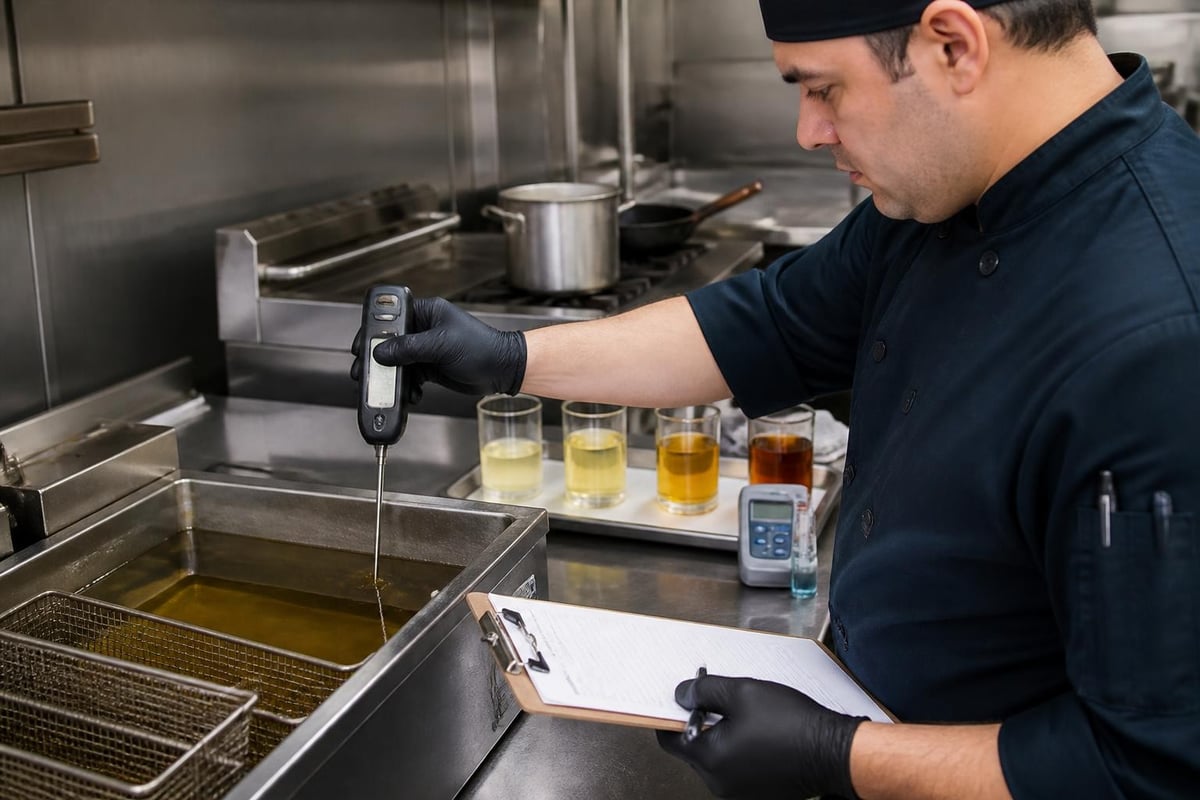
Establishing objective criteria for oil disposal prevents both premature replacement costs and quality failures from degraded media. Professional kitchens and manufacturing facilities should implement daily testing regimens that track multiple indicators simultaneously.
| Quality Parameter | Fresh Oil | Action Threshold | Replace Immediately |
|---|---|---|---|
| Color (Lovibond Red) | 1.0-2.0 | 4.0-5.0 | >6.0 |
| Free Fatty Acids | <0.05% | 0.5% | >1.0% |
| Total Polar Materials | <3% | 24% | >27% |
| Smoke Point | Per specification | -50°F from fresh | -75°F from fresh |
| Foaming Tendency | Minimal | Moderate | Excessive |
Modern test kits provide rapid field measurements of total polar materials, enabling real-time decisions about oil condition. When vegetable oil for frying reaches replacement thresholds, proper disposal through certified rendering facilities ensures environmental compliance and may generate modest recovery value.
Sourcing Strategies for Food Service and Manufacturing
Supply chain decisions for vegetable oil for frying balance cost management, quality consistency, and delivery reliability. Large-scale operations benefit from establishing direct relationships with refiners and exporters who understand specific application requirements.
Evaluating Supplier Capabilities
Technical specifications alone insufficiently predict real-world performance. Requesting production facility audits, third-party certifications, and batch consistency data separates commodity suppliers from quality-focused partners.
Critical supplier evaluation criteria:
- ISO 22000 or FSSC 22000 certification status
- Traceability systems linking batches to source materials
- Quality control testing frequency and methods
- Cold chain management for temperature-sensitive varieties
- Flexibility in packaging sizes and delivery schedules
- Technical support for application optimization
Thailand-based exporters offer strategic advantages including proximity to palm and rice bran production regions, advanced refining infrastructure, and established shipping networks to global markets. Bulk purchasers should explore offerings across the Thai Cooking Oils product portfolio to identify optimal solutions for specific frying applications.
Application-Specific Oil Selection
Different frying methods and food categories demand customized oil solutions. Matching vegetable oil for frying characteristics to production requirements optimizes both product quality and operational efficiency.
Deep Frying Operations
Continuous deep fryers in potato chip manufacturing, doughnut production, and chicken processing require oils with maximum oxidative stability. These systems maintain oil temperatures between 350°F-375°F (177°C-190°C) for extended periods, creating significant oxidation stress.
High-oleic sunflower oil and palm oil emerge as preferred choices for these demanding applications. Their resistance to polymerization prevents gumming of fryer components while extended useful life reduces disposal costs and production interruptions.
Pan Frying and Sautéing
Lower-volume operations benefit from oils that contribute flavor dimension while maintaining stability through moderate-temperature cooking. Soybean oil delivers neutral taste profiles suitable for diverse cuisines, while canola oil provides heart-healthy fatty acid ratios appreciated by nutrition-conscious consumers.
Restaurant kitchens managing multiple menu items should consider maintaining separate oil supplies for different applications rather than attempting universal solutions. This specialization prevents flavor transfer between incompatible foods and extends useful life by matching oil characteristics to specific temperature requirements.
Industrial Baking and Coating Applications
Spray coating systems and dough incorporation demand vegetable oil for frying that remains fluid at room temperature while resisting oxidation during extended baking cycles. Liquid oils with balanced fatty acid profiles perform optimally in these applications.
Coating application considerations:
- Viscosity at application temperature
- Adhesion to substrate surfaces
- Flavor neutrality or complementary notes
- Crystallization resistance during cooling
- Clean label compatibility for ingredient declarations
Storage and Handling Best Practices
Preserving vegetable oil for frying quality from delivery through consumption requires systematic attention to environmental factors and contamination prevention.
Optimal Storage Conditions
Light exposure accelerates oxidative degradation through photochemical reactions that break down beneficial antioxidants and unsaturated fatty acids. Stainless steel tanks or opaque containers protect oils during storage periods, while dark glass bottles suit smaller quantities in retail settings.
Temperature fluctuations promote condensation that introduces moisture contamination. Maintaining stable storage temperatures between 50°F-70°F (10°C-21°C) minimizes degradation while preventing solidification in varieties containing saturated fats.
Storage infrastructure requirements:
- Food-grade stainless steel or approved plastic materials
- Sealed systems preventing oxygen infiltration
- Temperature monitoring and recording capabilities
- First-in-first-out inventory rotation systems
- Segregated storage preventing cross-contamination
Bulk operations should implement nitrogen padding in large storage tanks, particularly for oils containing higher proportions of polyunsaturated fats susceptible to oxidation. This inert atmosphere dramatically extends shelf life while maintaining specification compliance.
Cost Analysis and Value Optimization
Economic evaluation of vegetable oil for frying extends beyond purchase price per unit volume. Comprehensive cost modeling incorporates replacement frequency, yield efficiency, and quality outcomes affecting finished product acceptance.
| Cost Factor | Impact on Total Cost | Optimization Strategy |
|---|---|---|
| Raw material price | 40-50% | Volume commitments, futures contracts |
| Replacement frequency | 20-30% | Quality monitoring, filtration systems |
| Labor for oil changes | 10-15% | Automated systems, extended life oils |
| Disposal costs | 5-10% | Rendering partnerships, waste reduction |
| Product quality issues | 5-15% | Consistent specifications, supplier audits |
Premium oils commanding higher unit costs frequently deliver superior total value through extended useful life and reduced quality failures. A comprehensive analysis should calculate cost per pound of finished product rather than simple ingredient expense ratios.
Emerging Technologies and Future Trends
Innovation in vegetable oil for frying focuses on enhancing stability, improving nutritional profiles, and reducing environmental impact throughout the supply chain.
Enhanced Oil Varieties
Plant breeding programs develop high-stability oilseed varieties through conventional selection rather than genetic modification. These innovations deliver desired fatty acid profiles while maintaining non-GMO status valued in certain markets.
Mid-oleic sunflower oil represents successful commercialization of this breeding approach, offering oxidative stability approaching high-oleic types at more accessible price points. Similar development trajectories continue for canola and soybean varieties targeting specific industrial applications.
Process Improvements
Refining technology advances enable removal of pro-oxidant compounds while preserving beneficial minor constituents like tocopherols and phytosterols. These selective processes enhance both stability and nutritional value compared to traditional refining methods.
Enzyme-assisted degumming and physical refining alternatives reduce chemical inputs and energy consumption during production. Sustainability-focused purchasers should inquire about refining methodologies when evaluating suppliers, as process selection impacts both environmental footprint and final product characteristics.
Selecting and managing vegetable oil for frying requires balancing technical performance, health considerations, economic factors, and supply chain reliability. Success depends on matching oil characteristics to specific applications while implementing rigorous quality monitoring throughout the usage lifecycle. Whether you operate a restaurant chain, food manufacturing facility, or distribution network, partnering with an experienced supplier ensures consistent access to specifications that meet your operational requirements. Thai Cooking Oils provides comprehensive solutions for businesses seeking reliable vegetable oil supply with technical support, flexible logistics, and quality assurance backed by international certifications.
