
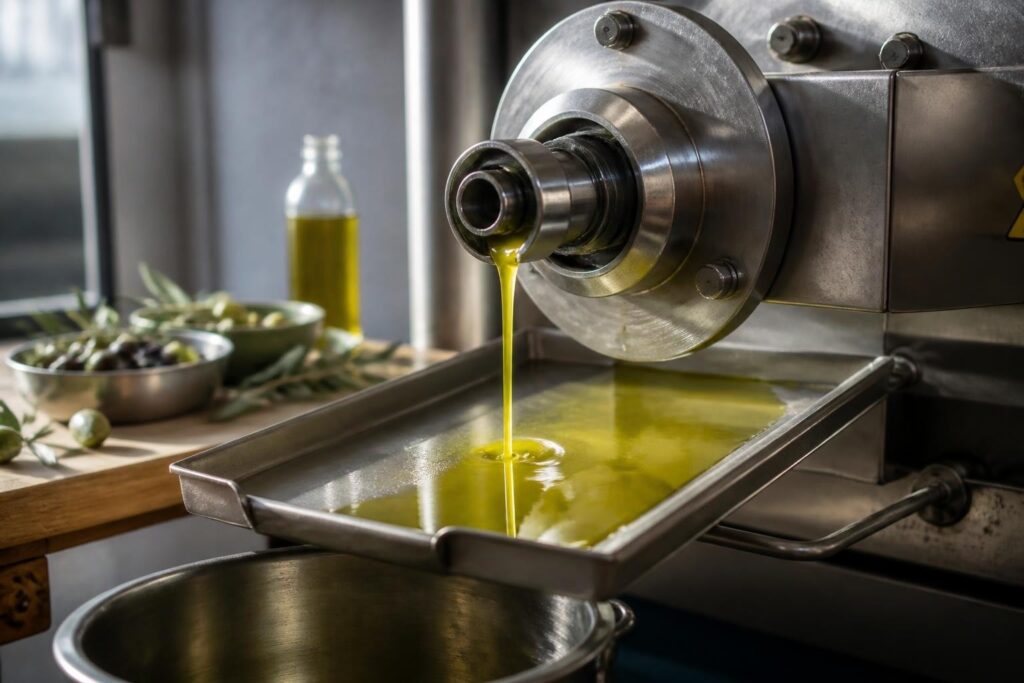
The global demand for minimally processed, nutrient-dense edible oils continues to reshape the vegetable oil industry in 2026. Cold pressed vegetable oil represents a production method that prioritizes nutritional integrity over maximum yield, using mechanical extraction at controlled temperatures to preserve beneficial compounds. For importers, food manufacturers, and distributors seeking premium oil products, understanding the distinctions between cold-pressed and conventionally refined oils has become essential to meeting evolving consumer preferences and regulatory standards.
Understanding Cold Pressed Extraction Methods
Cold pressing refers to a mechanical extraction process that uses pressure rather than heat or chemical solvents to obtain oil from seeds, nuts, or fruits. The Codex Alimentarius defines specific temperature limits for oils marketed as "cold pressed," typically requiring processing temperatures below 50°C (122°F). This temperature constraint protects heat-sensitive nutrients and bioactive compounds that would otherwise degrade during conventional refining.
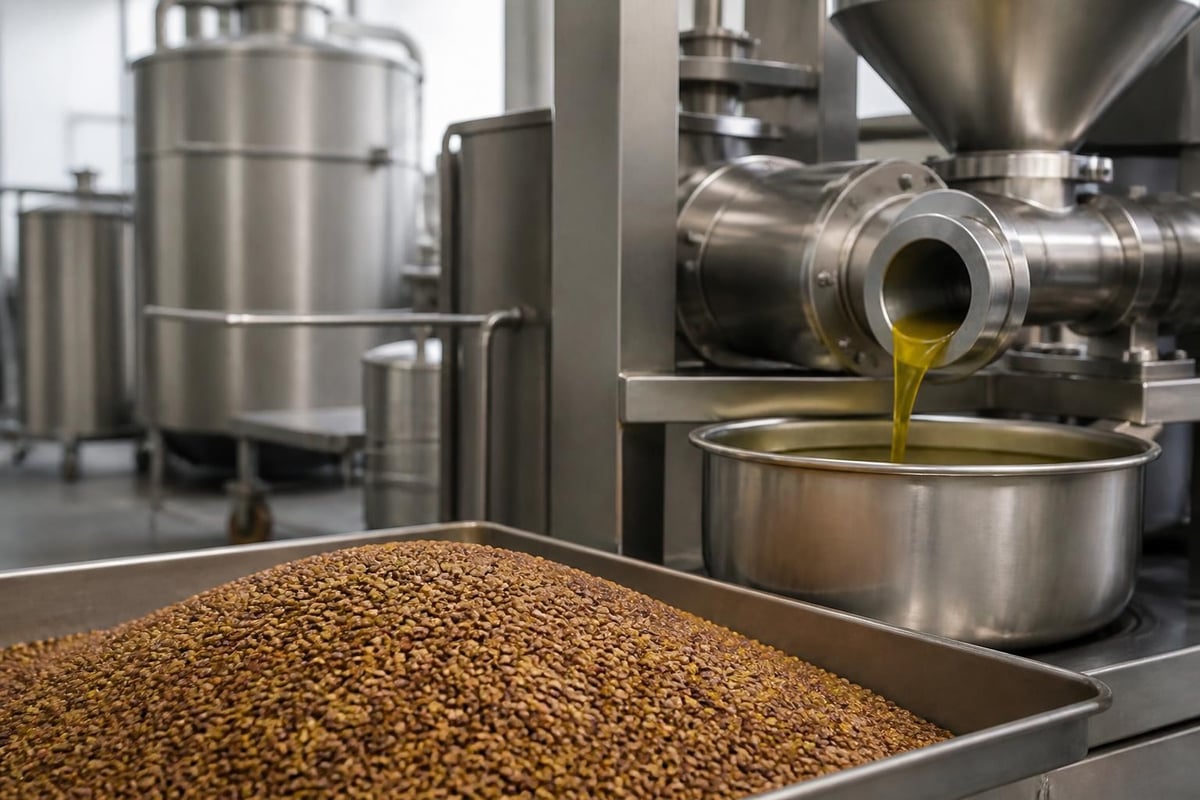
The mechanical process begins with seed cleaning and preparation. Seeds undergo minimal pre-treatment before entering expeller presses or hydraulic presses that apply gradual pressure to release oil. The absence of hexane or other chemical solvents distinguishes cold pressing from industrial solvent extraction, which achieves higher yields but requires subsequent refining steps to remove chemical residues.
Temperature Control and Yield Considerations
Maintaining low temperatures during extraction presents technical challenges for producers. Friction generated during mechanical pressing naturally increases temperature, requiring careful monitoring and process control. Modern cold-press facilities use cooling systems and slower pressing speeds to manage heat buildup, though these measures reduce overall production efficiency.
Yield differences between cold pressing and conventional methods significantly impact commercial viability:
| Extraction Method | Typical Oil Yield | Processing Temperature | Nutrient Retention |
|---|---|---|---|
| Cold Pressing | 32-42% | Below 50°C | 85-95% |
| Hot Pressing | 42-48% | 80-120°C | 65-75% |
| Solvent Extraction | 96-98% | 60-80°C | 40-50% (before refining) |
The lower yield means cold pressed vegetable oil commands premium pricing to offset reduced extraction efficiency. For suppliers and exporters, this creates distinct market segments where consumers willingly pay more for perceived nutritional advantages.
Nutritional Advantages and Bioactive Compounds
Research demonstrates that cold pressing preserves compounds that contribute to both nutritional value and functional benefits. A comprehensive review of bioactive constituents in cold-pressed plant oils identifies several compound classes that remain intact through mechanical extraction: phytosterols, tocopherols, carotenoids, and phenolic compounds.
Phytosterols, plant-derived sterols structurally similar to cholesterol, survive cold pressing in concentrations 2-3 times higher than refined oils. These compounds support cardiovascular health by reducing cholesterol absorption in the digestive tract. Sunflower and rice bran oils naturally contain substantial phytosterol levels that cold pressing preserves effectively.
Tocopherols, the compounds comprising vitamin E activity, demonstrate marked sensitivity to heat and oxidation. Cold pressed vegetable oil retains 80-90% of naturally occurring tocopherols compared to 20-40% retention in fully refined products. This vitamin E preservation extends shelf life through natural antioxidant protection while delivering nutritional benefits to end consumers.
Comparative Nutritional Profiles
Recent systematic research comparing physicochemical properties and nutritional composition of cold-pressed versus refined oils reveals consistent patterns across oil types. Cold-pressed variants show higher levels of:
- Free fatty acids (0.5-2.0% vs. <0.05% in refined oils)
- Phospholipids (200-800 ppm vs. <5 ppm)
- Chlorophyll and carotenoid pigments (5-50 ppm vs. trace amounts)
- Polyphenolic antioxidants (100-500 ppm vs. minimal levels)
These differences influence not only nutritional value but also sensory characteristics, stability, and appropriate applications. The higher free fatty acid content, while indicating minimal processing, also means cold-pressed oils may have shorter shelf lives without proper storage conditions.
Quality Standards and Regulatory Framework
International standards distinguish cold pressed vegetable oil from other product categories through specific chemical and physical parameters. The Codex Alimentarius standards establish baseline requirements including maximum acidity levels, peroxide values, and acceptable processing conditions. However, individual markets impose additional requirements that suppliers must navigate.
Testing and Certification Requirements
Quality assurance for cold-pressed oils requires comprehensive testing protocols:
- Acid value determination – Measures free fatty acid content, indicating processing quality and storage condition
- Peroxide value analysis – Assesses primary oxidation products, critical for shelf-life prediction
- Sensory evaluation – Trained panels assess color, odor, and flavor characteristics
- Contaminant screening – Tests for heavy metals, pesticide residues, and mycotoxins
- Authenticity verification – Fatty acid profiling and sterol composition confirm oil identity
A 2026 toxicology study examining heavy metals in cold-pressed oils underscores the importance of comprehensive contaminant testing. Lead, cadmium, and arsenic levels in virgin oils correlate with agricultural practices and processing equipment quality, making source verification essential for exporters serving regulated markets.

Storage Stability and Shelf Life Management
The same compounds that provide nutritional benefits in cold pressed vegetable oil also present stability challenges. Chlorophyll acts as a pro-oxidant in light exposure, while phospholipids can contribute to sediment formation during storage. Understanding these stability factors helps distributors and food manufacturers optimize inventory management and product specifications.
Research identifying predictive biomarkers for storage stability in various cold-pressed oils reveals that initial fatty acid composition, particularly polyunsaturated fatty acid (PUFA) content, strongly correlates with oxidative stability. Oils with higher PUFA levels, such as sunflower and soybean, require more stringent storage conditions than oils with predominantly monounsaturated or saturated fatty acids.
Optimal Storage Conditions
Proper storage extends cold-pressed oil shelf life significantly:
- Temperature: 15-20°C (59-68°F) ideal; avoid temperature fluctuations
- Light protection: Dark glass bottles or opaque containers prevent photo-oxidation
- Oxygen limitation: Nitrogen flushing or vacuum packaging reduces oxidative rancidity
- Container material: Stainless steel, dark glass, or food-grade plastic; avoid reactive metals
Innovative preservation approaches are emerging. A study on herbal maceration in cold-pressed oils demonstrates that incorporating herbs like rosemary, basil, or sage can enhance antioxidant capacity and extend shelf life during storage. This technique offers potential for developing premium flavored oil products with improved stability.
| Storage Condition | Expected Shelf Life | Oxidation Rate |
|---|---|---|
| Cool, dark, nitrogen-flushed | 12-18 months | Minimal |
| Room temperature, dark container | 6-12 months | Moderate |
| Room temperature, clear glass | 3-6 months | Accelerated |
| Warm, light-exposed | 1-3 months | Rapid |
Applications Across Food Manufacturing
Cold pressed vegetable oil serves diverse applications in food manufacturing, though its characteristics make it better suited for some uses than others. The distinctive flavor profiles and lower smoke points compared to refined oils influence formulation decisions and processing parameters.
Salad dressings and marinades represent ideal applications where cold-pressed oils deliver both nutritional benefits and distinctive flavor characteristics. The natural antioxidants and minor components contribute complexity that refined oils cannot match. Many premium dressing manufacturers specifically seek cold-pressed variants to support clean-label positioning.
Baking applications work well with mild-flavored cold-pressed oils like refined sunflower oil from reputable suppliers. While some cold-pressed oils retain stronger flavors, carefully processed sunflower oil provides neutral taste with enhanced nutritional profiles suitable for cakes, cookies, and bread formulations. The natural vitamin E content extends product freshness without synthetic antioxidants.
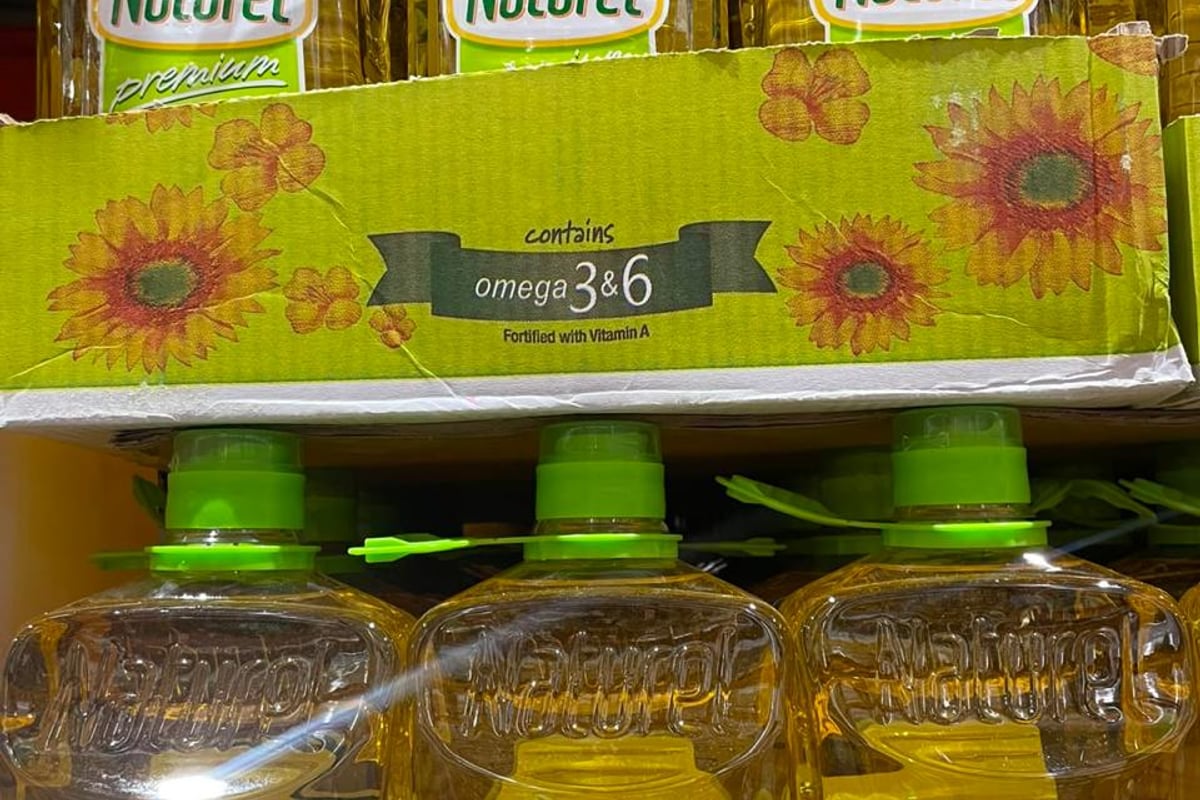
High-heat cooking presents limitations for most cold-pressed oils due to lower smoke points and heat-sensitive nutrients. However, some varieties like cold-pressed rice bran oil maintain adequate thermal stability for moderate-heat applications in Asian cuisine and health-focused food service operations.
Industrial Blending Strategies
Food manufacturers increasingly develop custom blends combining multiple cold-pressed oils to optimize nutritional profiles and functional properties. Blending allows formulators to balance omega-3 and omega-6 fatty acids, adjust viscosity, and create signature flavor profiles while maintaining cold-pressed authenticity throughout the product line.
A four-oil blend combining sunflower, flax, pumpkin, and sesame oils, for example, can deliver superior polyphenol content and balanced essential fatty acids compared to single-source oils. This strategy enables differentiation in competitive markets while addressing diverse nutritional objectives.
Market Trends and Consumer Preferences
The global cold pressed vegetable oil market continues expanding as consumers prioritize transparency and minimal processing. Bibliometric analysis of vegetable oil extraction research from 2016-2024 shows increasing academic and commercial interest in cold pressing methods relative to chemical extraction, reflecting broader clean-label trends.
Health-conscious consumers associate cold pressing with superior nutritional value, even when willing to accept trade-offs in shelf life or cooking versatility. This perception drives premium pricing in retail markets and creates opportunities for exporters capable of meeting quality standards and documentation requirements.
Regional Market Variations
Different markets emphasize distinct cold-pressed oil varieties based on culinary traditions and health trends:
- European markets favor cold-pressed sunflower, rapeseed, and specialty nut oils
- North American consumers seek cold-pressed coconut, avocado, and olive oil variants
- Asian markets show growing interest in cold-pressed rice bran and sesame oils
- Middle Eastern regions value cold-pressed olive and black seed oils
For Thailand-based exporters, understanding these regional preferences helps target product development and marketing efforts toward receptive markets. The country's agricultural diversity supports production of multiple oil types suitable for cold pressing and international trade.
Quality Differentiation for Exporters
Suppliers entering the cold pressed vegetable oil market must establish clear quality differentiation to justify premium positioning. Comparative evaluation of nine cold-pressed oils in India measuring phytochemicals, antioxidant activity, and cardiovascular health indices reveals significant variation among commercially available products, even within the same oil type.
Transparent quality documentation builds importer confidence:
- Complete fatty acid profiles with specific omega-3, omega-6, and omega-9 percentages
- Antioxidant capacity measurements using standardized DPPH or ORAC methods
- Trace mineral content including beneficial elements and contaminant limits
- Processing temperature logs documenting maximum temperatures during extraction
- Traceability records linking finished oil to specific seed lots and harvest dates
Certification and Third-Party Validation
While not universally required, certifications enhance marketability for cold-pressed oils. Organic certification verifies agricultural practices, while specialized cold-pressed certifications emerging in some markets validate processing methods. Third-party laboratory testing from internationally recognized facilities provides credibility that supports premium pricing strategies.
Food safety certifications including HACCP, ISO 22000, or FSSC 22000 demonstrate systematic quality management essential for serving major food manufacturers and retail chains. These certifications address not just product quality but entire facility operations, supply chain controls, and traceability systems.
Technical Considerations for Importers
Importers evaluating cold pressed vegetable oil suppliers should assess multiple technical factors beyond basic specifications. Processing equipment quality directly influences oil characteristics; modern expeller presses with temperature monitoring produce more consistent results than older hydraulic systems lacking process controls.
Seed quality and sourcing practices significantly impact final product attributes. Seeds from certified organic farms or integrated pest management programs typically contain lower pesticide residues and heavy metal contamination. Suppliers who maintain direct relationships with farming cooperatives often achieve better traceability and consistency than those purchasing from commodity markets.
Container and Packaging Selection
Bulk shipping considerations for cold-pressed oils differ from refined products:
- Flexitanks work for large volumes but require nitrogen blanketing to prevent oxidation
- IBC totes (1,000L) offer intermediate volumes with easier handling and better oxygen protection
- Drums (200L) provide maximum protection and flexibility for mixed container loads
- Bottled products require additional packaging materials but support direct retail distribution
Transportation conditions affect quality preservation. Temperature-controlled shipping maintains oil integrity during long ocean voyages, particularly for heat-sensitive varieties. Documentation should include storage temperature logs and handling instructions to ensure proper treatment throughout the supply chain.
Sustainability and Environmental Considerations
Cold pressing aligns with sustainability objectives through several mechanisms. The elimination of chemical solvents reduces hazardous waste generation and processing energy requirements. While extraction yields are lower, the simplified processing chain reduces overall environmental footprint compared to conventional refining operations requiring bleaching, deodorization, and chemical treatment.
Seed cake and meal remaining after cold pressing retain higher nutritional value than solvent-extracted alternatives, creating valuable animal feed products or organic fertilizers. This co-product utilization improves overall resource efficiency and generates additional revenue streams for integrated production facilities.
Water consumption in cold-press operations averages 60-70% lower than conventional refineries since extensive washing and steam distillation steps are eliminated. Energy requirements similarly decrease when eliminating heating, deodorization, and solvent recovery systems necessary for chemical extraction and refining.
Cold pressed vegetable oil production represents a growing segment of the global edible oils market, offering distinct advantages in nutritional preservation, clean-label positioning, and sustainability performance despite lower extraction yields and shelf-life challenges. For businesses seeking reliable suppliers of high-quality edible oils that meet international standards, partnering with established exporters ensures consistent quality, proper documentation, and technical support. Thai Cooking Oils specializes in premium vegetable oil production and export, serving importers, food manufacturers, and distributors worldwide with comprehensive product portfolios and commitment to quality excellence.
