
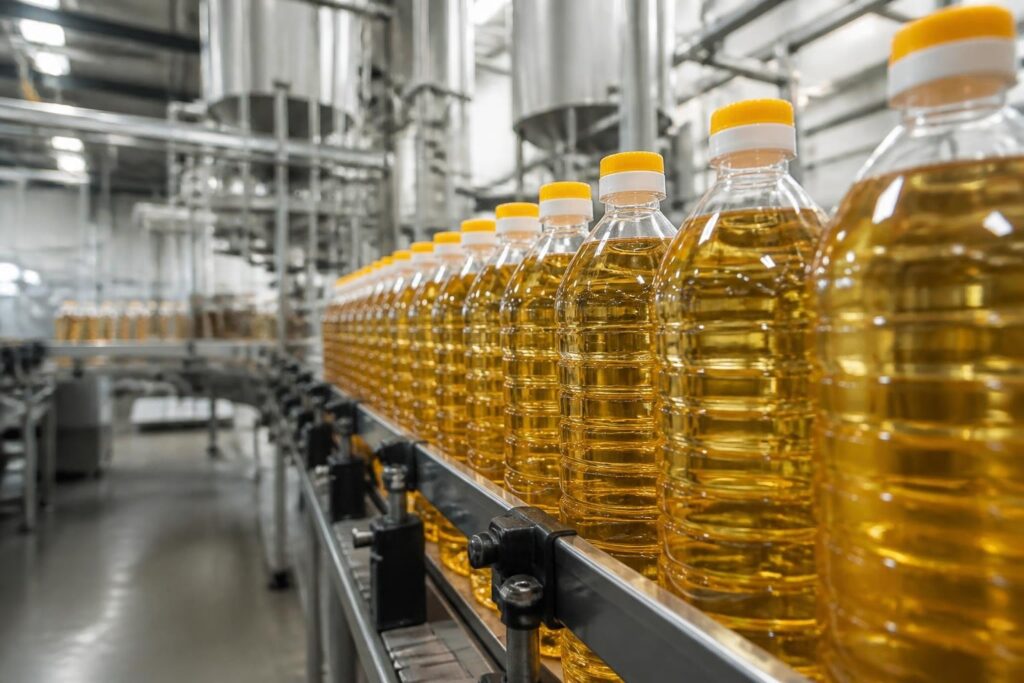
Vegetable cooking oil remains one of the most essential ingredients in kitchens worldwide, from home cooking to large-scale food manufacturing. As global demand continues to grow in 2026, understanding the complexities of vegetable oil production, quality standards, health implications, and sourcing strategies has become increasingly important for food industry professionals. Whether you're a distributor, food manufacturer, restaurant operator, or retailer, selecting the right vegetable cooking oil impacts everything from product quality to consumer satisfaction and operational costs.
Understanding Vegetable Cooking Oil Types and Sources
The term "vegetable cooking oil" encompasses a diverse range of edible oils extracted from various plant sources. Each type offers distinct characteristics that make it suitable for specific culinary applications and manufacturing processes.
Primary Categories of Vegetable Oils
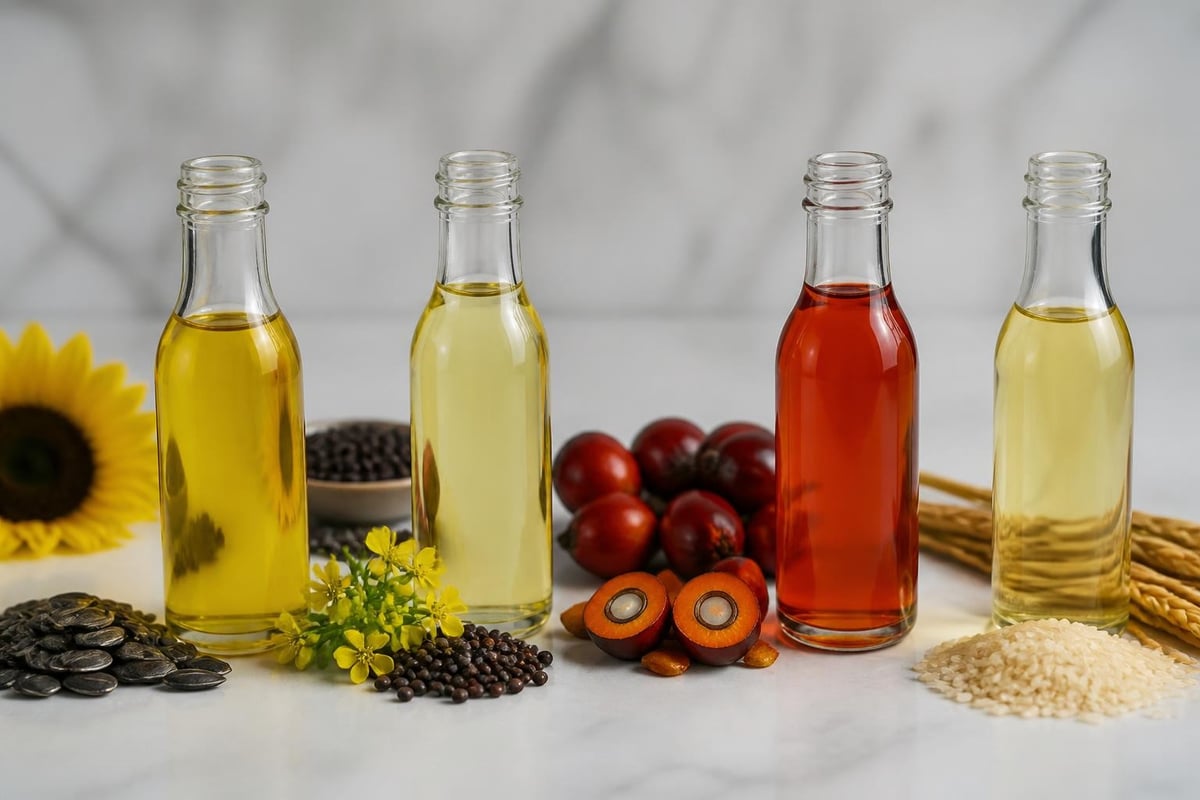
The most common vegetable cooking oil varieties include sunflower, canola, soybean, palm, corn, coconut, olive, and rice bran oils. Each originates from different botanical sources and undergoes unique processing methods that determine final quality and performance characteristics.
- Seed-based oils: Sunflower, canola, soybean, and corn oils extracted through mechanical pressing or solvent extraction
- Fruit-based oils: Palm oil from palm fruit mesocarp and olive oil from olive fruit
- Bran-based oils: Rice bran oil extracted from the outer layer of rice grains
- Nut-based oils: Coconut oil from dried coconut meat
The extraction method significantly influences oil quality, yield, and nutritional profile. Modern facilities employ sophisticated techniques to maximize extraction efficiency while preserving beneficial compounds.
Regional Production and Global Supply Chains
Thailand has emerged as a significant player in vegetable cooking oil production and export, particularly for palm oil, rice bran oil, and refined sunflower oil. The country's strategic location and established agricultural infrastructure make it an ideal sourcing destination for international buyers seeking consistent quality and competitive pricing.
Production volumes vary considerably across regions. Southeast Asia dominates palm oil production, while North America leads in canola and soybean oil manufacturing. Understanding these geographical patterns helps buyers optimize supply chain decisions and manage price volatility.
Refining Processes and Quality Standards
Raw vegetable oils undergo extensive refining to remove impurities, extend shelf life, and create products suitable for commercial applications. The RBD (Refined, Bleached, Deodorized) process represents the industry standard for producing high-quality edible oils.
The RBD Refining Process
The refining process consists of several critical stages that transform crude oil into finished products meeting international food safety standards. Each step addresses specific quality parameters.
| Refining Stage | Purpose | Key Parameters |
|---|---|---|
| Degumming | Removes phospholipids and proteins | Phosphorus content reduction |
| Neutralization | Eliminates free fatty acids | FFA below 0.05% |
| Bleaching | Removes color pigments and oxidation products | Peroxide value, color specifications |
| Deodorization | Eliminates odors and volatile compounds | Taste, smell neutrality |
| Winterization | Removes waxes for clarity (select oils) | Cloud point temperature |
Quality control testing occurs at each stage to ensure compliance with food safety regulations and customer specifications. Parameters such as moisture content, peroxide value, fatty acid composition, and smoke point receive particular attention during production.
The sophistication of refining equipment and operator expertise directly impact final product quality. Leading manufacturers invest heavily in modern facilities and continuous process optimization to maintain competitive advantages.
Health Considerations and Nutritional Profiles
The health implications of vegetable cooking oil consumption have generated considerable discussion among nutritionists, researchers, and consumers. Understanding the science behind these oils helps food manufacturers make informed decisions that align with market demands for healthier products.
Fatty Acid Composition
Different vegetable oils contain varying ratios of saturated, monounsaturated, and polyunsaturated fatty acids. This composition determines both health impacts and cooking performance characteristics.
Recent research has helped clarify misconceptions about seed oils and their role in cardiovascular health. Contrary to some popular claims, many vegetable oils provide beneficial fatty acids when consumed as part of a balanced diet.
- High in polyunsaturated fats: Sunflower, soybean, corn oils (omega-6 fatty acids)
- High in monounsaturated fats: Canola, olive oils (omega-9 fatty acids)
- Balanced profiles: Rice bran oil offering optimal omega-3 to omega-6 ratios
- Higher saturated fat: Palm and coconut oils with different medium-chain triglycerides
Understanding these nutritional differences enables food manufacturers to select oils that support specific health positioning strategies. For businesses targeting health-conscious markets, choosing oils with favorable fatty acid profiles provides competitive differentiation.
Smoke Points and Cooking Applications
Smoke point-the temperature at which oil begins to break down and produce visible smoke-determines suitability for different cooking methods. This technical specification matters significantly for food service operations and food manufacturers.
High smoke point oils like refined sunflower oil (440°F/227°C) and rice bran oil (450°F/232°C) excel in high-heat applications such as deep frying and stir-frying. Lower smoke point oils work better for dressings, baking, and low-temperature cooking.
Quality Specifications for Commercial Buyers
Food manufacturers, distributors, and large-scale food service operations require vegetable cooking oil that meets rigorous quality standards. Understanding key specifications helps buyers evaluate suppliers and ensure product consistency.
Critical Quality Parameters
Professional buyers should request detailed specification sheets covering these essential parameters:
- Physical characteristics: Color (Lovibond scale), clarity, viscosity
- Chemical properties: Free fatty acid content, peroxide value, iodine value, saponification value
- Purity indicators: Moisture and volatile matter, insoluble impurities, soap content
- Safety markers: Heavy metals, pesticide residues, aflatoxins, PAH content
- Performance metrics: Smoke point, oxidative stability, cold test results
Third-party laboratory testing provides independent verification of supplier claims. Reputable suppliers welcome quality audits and provide comprehensive certificates of analysis with each shipment.

International Standards and Certifications
Compliance with recognized standards ensures product safety and facilitates international trade. Key certifications include Codex Alimentarius specifications, ISO 22000 food safety management, HACCP certification, and country-specific requirements like FDA compliance for U.S. markets.
For suppliers serving Muslim-majority markets, Halal certification has become essential. Similarly, organic certifications open doors to premium market segments willing to pay higher prices for certified products.
Sourcing Strategies for Food Industry Professionals
Developing effective sourcing strategies for vegetable cooking oil requires balancing quality requirements, price considerations, supply reliability, and logistical factors. The global nature of vegetable oil markets creates both opportunities and challenges for buyers.
Evaluating Potential Suppliers
Due diligence in supplier selection prevents costly quality issues and supply disruptions. Food manufacturers and distributors should assess multiple factors beyond price when choosing vegetable oil partners.
Key evaluation criteria include production capacity and scalability, quality management systems and certifications, financial stability and business longevity, export documentation expertise, and responsiveness to technical inquiries. For operations comparing different oil types, resources like rice bran oil versus sunflower oil analysis provide valuable decision-making frameworks.
Building relationships with suppliers in established production regions offers strategic advantages. Thailand-based suppliers, for instance, provide competitive access to palm oil, rice bran oil, and refined vegetable oils with efficient logistics to global markets.
Bulk Purchasing and Container Logistics
Most international vegetable cooking oil trade occurs in bulk formats optimized for containerized shipping. Understanding packaging options and logistics helps buyers optimize costs and inventory management.
| Packaging Format | Typical Volume | Best For | Considerations |
|---|---|---|---|
| Flexitank | 20,000-24,000 L | High-volume importers | Most economical per liter, requires specialized handling |
| ISO tank | 21,000-26,000 L | Regular importers | Reusable, consistent quality protection |
| Drums (steel/plastic) | 180-200 L each | Mid-volume buyers | Easier handling, higher per-unit cost |
| IBCs (totes) | 1,000 L | Food manufacturers | Good balance of volume and handling |
| Small containers | 15-25 L | Retailers, small operations | Highest cost, most flexible |
Freight costs, port infrastructure, and destination storage capabilities influence optimal packaging selection. Experienced suppliers help buyers navigate these decisions to minimize total landed costs.
Sustainability and Environmental Considerations
Environmental sustainability has moved from peripheral concern to central business priority in the vegetable oil industry. Consumers, regulators, and corporate buyers increasingly demand transparency regarding production practices and environmental impacts.
Sustainable Production Practices
Leading vegetable oil producers implement practices that reduce environmental footprints while maintaining profitability. These initiatives address multiple sustainability dimensions.
Water management systems that recycle process water reduce consumption by 40-60% compared to traditional facilities. Energy efficiency improvements through heat recovery systems and renewable energy integration lower carbon emissions. Waste valorization programs convert processing byproducts into animal feed, biofuels, or industrial inputs rather than disposal.
Environmental impact assessments of palm oil production have driven industry improvements in land use practices, biodiversity protection, and greenhouse gas reduction. Responsible suppliers participate in certification programs like RSPO (Roundtable on Sustainable Palm Oil) to demonstrate commitment to sustainable practices.
Supply Chain Transparency
Traceability systems that track oils from origin farms through processing and distribution provide the transparency modern buyers require. Blockchain-based solutions and digital documentation platforms are emerging as tools for verifying sustainability claims.
For food manufacturers marketing products to environmentally conscious consumers, partnering with suppliers who provide documented sustainability credentials creates valuable differentiation. This transparency extends beyond environmental claims to include social responsibility and ethical labor practices.
Market Trends Shaping the Industry in 2026
The vegetable cooking oil market continues evolving in response to changing consumer preferences, technological innovations, and global economic conditions. Understanding these trends helps industry professionals anticipate opportunities and challenges.
Health and Wellness Focus
Consumer demand for healthier cooking oils drives product innovation and market growth. Oils with favorable omega fatty acid profiles, high vitamin E content, and natural antioxidants command premium prices in health-conscious markets.
The debate about cooking oil health myths continues to influence consumer perceptions and purchasing decisions. Food manufacturers benefit from staying informed about evidence-based nutritional science rather than following social media trends that may lack scientific support.
High-oleic variants of traditional oils represent significant innovation areas. High-oleic sunflower oil and canola oil offer improved oxidative stability and longer fry life while maintaining favorable health profiles.
Digital Transformation and E-Commerce
Online platforms increasingly facilitate B2B vegetable oil trading, connecting international buyers with suppliers more efficiently than traditional broker networks. Digital marketplaces provide price transparency, specification comparisons, and streamlined procurement processes.
For suppliers, digital presence through informative expert blog resources establishes thought leadership and attracts qualified buyers. Content marketing has become essential for differentiating in competitive markets.
Social media analysis of vegetable oil discussions reveals how public opinion forms and spreads, providing insights for marketing strategies and addressing consumer concerns proactively.
Applications Across Food Manufacturing Sectors
Vegetable cooking oil serves countless applications across food manufacturing, food service, and retail sectors. Understanding segment-specific requirements helps suppliers tailor products and services to customer needs.
Food Manufacturing Applications
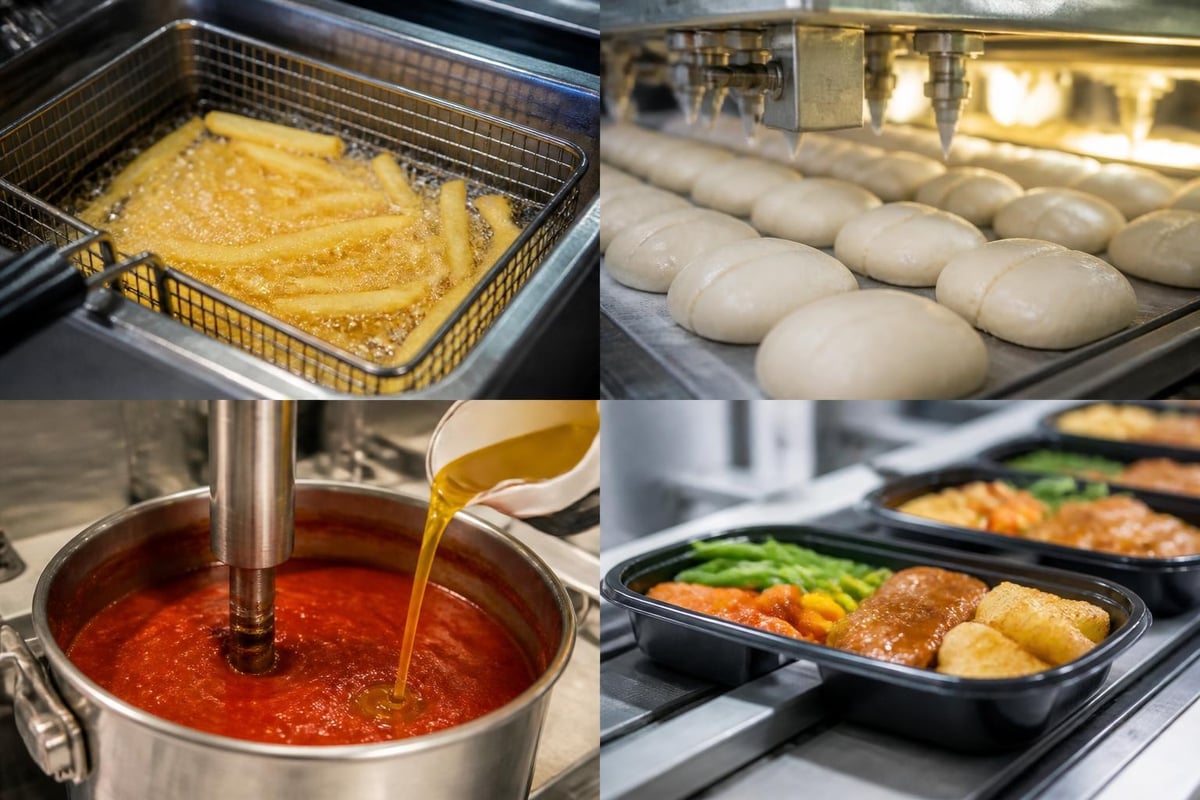
Industrial food production relies heavily on vegetable oils for numerous functions beyond simple cooking media. Oils serve as processing aids, texture modifiers, flavor carriers, and shelf-life extenders.
Snack food manufacturing requires oils with excellent fry stability and neutral flavor profiles that don't interfere with seasoning formulations. Bakery applications demand oils that create specific textures while maintaining stability throughout product shelf life. Sauce and dressing production uses oils as emulsifiers and mouthfeel enhancers.
Many food manufacturers now seek oils that can be fortified with vitamins or functional ingredients to enhance nutritional profiles of finished products. For instance, our RBD soybean oil can be fortified with Vitamin A to support products targeting nutritional enhancement strategies, making it particularly valuable for manufacturers serving markets with specific dietary requirements.
Restaurant and Food Service Sector
Professional kitchens demand vegetable cooking oil that performs consistently under high-volume, high-heat conditions. Fry life-how long oil maintains quality during repeated heating cycles-directly impacts operational costs and food quality.
Premium restaurants increasingly specify particular oil types to complement cuisine styles. For operations focusing on health-conscious menus, oils like canola oil appeal to chefs due to neutral flavor and nutritional benefits.
Chain restaurants and food service operations benefit from consistent oil specifications across locations. Working with suppliers who can deliver identical products to multiple distribution points ensures menu consistency regardless of location.
Price Dynamics and Market Economics
Vegetable cooking oil prices fluctuate based on agricultural commodity markets, currency exchange rates, energy costs, trade policies, and global supply-demand dynamics. Understanding these factors helps buyers make informed purchasing decisions and manage budget risks.
Factors Influencing Pricing
Weather patterns affecting crop yields in major production regions create price volatility. Drought conditions in sunflower-growing areas or favorable harvests in soybean regions directly impact global pricing within weeks.
Currency fluctuations between importing and exporting nations change relative costs even when underlying commodity prices remain stable. Buyers purchasing from Thailand-based suppliers benefit from competitive pricing structures and efficient export processes.
Energy costs influence production expenses, as refining processes require significant heat and electricity inputs. Transportation costs-particularly ocean freight rates-add substantial portions to landed costs for international buyers.
Strategic Purchasing Approaches
Forward contracting with suppliers locks in prices for future deliveries, protecting against upward price movements while providing suppliers with production visibility. This approach works best when buyers have predictable consumption patterns.
Volume commitments often secure better pricing tiers while ensuring supply availability during tight market conditions. However, buyers must balance volume discounts against storage costs and working capital requirements.
Diversifying suppliers across geographical regions and oil types provides flexibility to switch between alternatives when price differentials justify reformulation efforts. Comparing different cooking oils helps identify substitution opportunities.
Technical Support and Customer Service
Beyond product quality and pricing, supplier capabilities in technical support significantly impact buyer satisfaction and operational success. The complexity of vegetable cooking oil applications often requires collaborative problem-solving between suppliers and customers.
Application Support Services
Reputable suppliers provide technical assistance for optimizing oil selection for specific applications, troubleshooting performance issues in production or food service environments, reformulation support when switching between oil types, and shelf-life testing and stability studies.
This technical partnership approach creates value beyond commodity trading. Suppliers who invest in application laboratories and employ food scientists capable of addressing customer challenges build lasting relationships that transcend price-based competition.
For buyers entering new markets or launching new products, working with suppliers offering comprehensive support reduces risks and accelerates time-to-market. Resources addressing topics like selecting healthy cooking oils for commercial food production provide valuable decision-making frameworks.
Documentation and Regulatory Compliance
International food trade requires extensive documentation for customs clearance, food safety verification, and regulatory compliance. Experienced suppliers streamline these processes through comprehensive documentation packages.
Essential documents include certificates of analysis, phytosanitary certificates, health certificates, certificates of origin, Halal or Kosher certifications (when applicable), and non-GMO declarations. Suppliers familiar with destination country requirements prevent costly delays and rejected shipments.
Quality Control Throughout the Supply Chain
Maintaining vegetable cooking oil quality from production through delivery requires systematic quality management at every stage. Temperature control, oxygen exposure, light protection, and contamination prevention all impact final product quality.
Storage and Handling Best Practices
Proper storage extends oil shelf life and preserves quality characteristics. Vegetable cooking oil should be stored in cool, dark environments away from heat sources, in sealed containers that minimize oxygen exposure, separate from strong-odored materials that oils readily absorb, and with first-in-first-out inventory rotation systems.
Temperature extremes degrade oil quality faster than any other factor. Facilities in tropical climates require climate-controlled storage to prevent accelerated oxidation and maintain specifications.
Transportation Considerations
Vegetable oil quality can degrade during transportation if proper precautions aren't followed. Clean, dedicated tanks prevent cross-contamination from previous cargoes. Temperature monitoring throughout transit ensures oils don't experience damaging heat exposure.
For buyers receiving flexitank or ISO tank shipments, establishing receiving inspection protocols verifies quality upon arrival. Visual inspection, temperature checks, and representative sampling for laboratory testing provide quality assurance before accepting deliveries.
Building Long-Term Supplier Relationships
The most successful food industry buyers approach vegetable cooking oil sourcing as strategic partnerships rather than transactional commodity purchases. Long-term relationships deliver benefits beyond individual transaction economics.
Partnership Advantages
Suppliers prioritize reliable customers during supply shortages or allocation situations. Established relationships built on mutual trust receive preferential treatment when market conditions tighten.
Collaborative forecasting between buyers and suppliers optimizes production planning and inventory management for both parties. Sharing demand projections allows suppliers to secure raw materials and allocate production capacity efficiently.
Joint development projects for customized oil specifications or specialized applications create competitive advantages unavailable through spot market purchases. These collaborations often result in proprietary products that differentiate buyers in their markets.
Communication and Transparency
Regular communication maintains relationship health and prevents misunderstandings. Quarterly business reviews discussing volumes, quality performance, market trends, and improvement opportunities strengthen partnerships.
Transparency regarding changing requirements, market intelligence, and challenges allows both parties to adapt proactively rather than reactively. Suppliers who understand their customers' business strategies provide more relevant solutions and anticipate future needs.
For international sourcing relationships, investing time in facility visits and face-to-face meetings builds personal connections that facilitate problem-solving when issues inevitably arise. Understanding supplier capabilities, constraints, and cultures creates realistic expectations and mutual respect.
Selecting the right vegetable cooking oil partner requires evaluating quality standards, production capabilities, sustainability practices, and service excellence alongside pricing considerations. Whether you need refined sunflower oil, canola oil, soybean oil, palm oil, or specialty variants, working with experienced suppliers ensures consistent quality and reliable supply. Thai Cooking Oils combines advanced refining facilities, rigorous quality control, comprehensive certifications, and responsive customer service to support food manufacturers, distributors, and food service operations worldwide.
