

Extra virgin oil coconut represents the highest quality grade of coconut oil available in the global marketplace. Unlike refined coconut oil products that undergo bleaching, deodorization, and high-heat processing, this premium variant retains maximum nutritional content, natural aroma, and beneficial compounds through minimal processing methods. Food manufacturers, distributors, and health-conscious retailers increasingly recognize the value of sourcing authentic extra virgin varieties to meet consumer demand for less processed, nutrient-dense cooking oils. Understanding the production standards, quality markers, and applications of this oil helps businesses make informed sourcing decisions in the competitive edible oils market.
What Distinguishes Extra Virgin Oil Coconut From Other Grades
The classification system for coconut oil mirrors the hierarchical structure used in olive oil grading, with extra virgin representing the pinnacle of quality. This designation requires strict adherence to production methods that preserve the oil's natural state.
Production Method Requirements
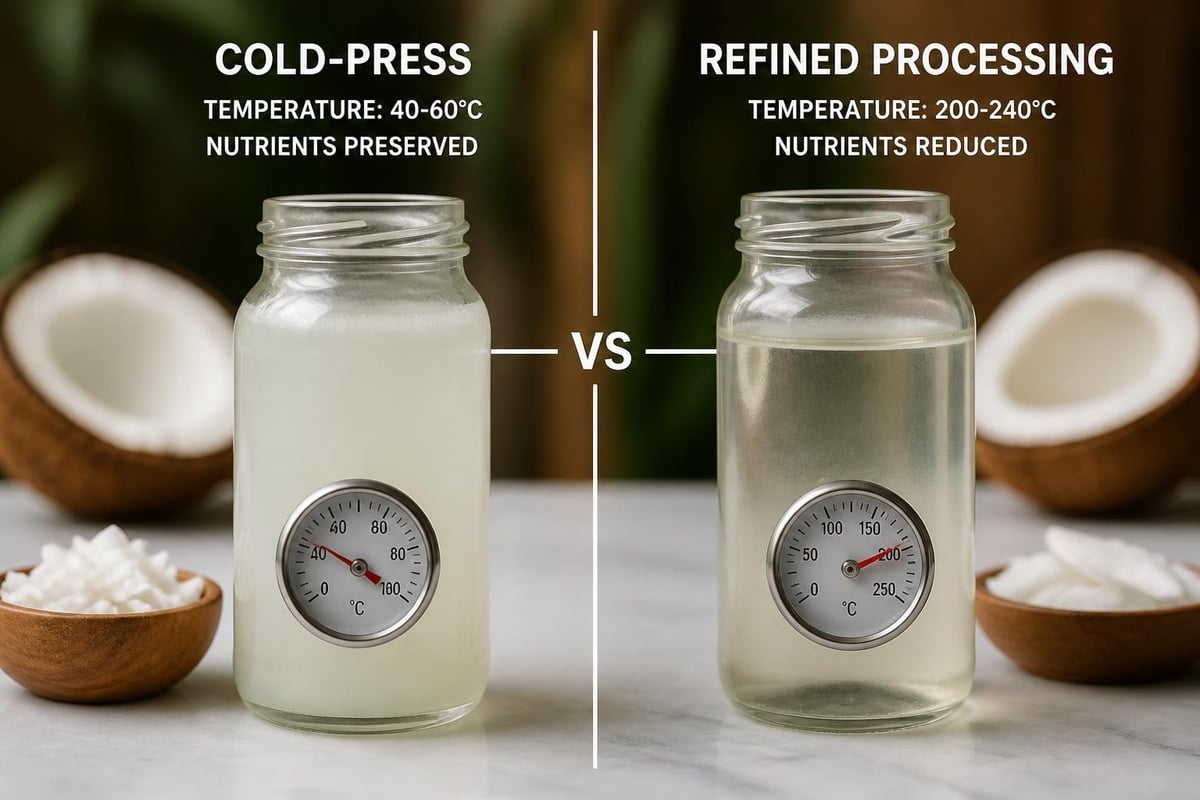
Extra virgin oil coconut must be extracted through mechanical pressing or centrifugation without any chemical solvents or refining agents. The process begins with fresh, mature coconuts harvested at peak ripeness. Within hours of opening, processors extract the white kernel meat and press it at temperatures below 120°F (49°C) to maintain raw enzymatic activity.
Key production criteria include:
- Cold-press extraction from fresh coconut meat
- No bleaching or deodorization processes
- Zero chemical additives or preservatives
- Processing temperatures maintained below heat-damage thresholds
- Single-origin traceability from harvest to bottling
The health benefits of coconut oil remain most intact when processing minimizes heat exposure and chemical intervention. This preservation of natural compounds differentiates premium grades from commodity refined oils.
Chemical Composition Markers
Laboratory analysis reveals distinct chemical signatures that authenticate extra virgin classification. Free fatty acid content must remain below 0.5%, indicating minimal hydrolysis and optimal freshness. Peroxide values under 3 milliequivalents per kilogram demonstrate resistance to oxidative degradation.
| Quality Parameter | Extra Virgin Standard | Refined Oil Standard |
|---|---|---|
| Free Fatty Acids | <0.5% | <0.1% (stripped) |
| Peroxide Value | <3 meq/kg | <5 meq/kg |
| Moisture Content | <0.2% | <0.1% |
| Color (Lovibond) | Natural variation | Standardized clear |
| Aroma Profile | Distinct coconut | Neutral/absent |
The natural antioxidant profile includes tocopherols, polyphenols, and medium-chain triglycerides that contribute to shelf stability and nutritional value. Refined oils lose significant portions of these compounds during processing.
Health Properties and Nutritional Advantages
Extra virgin oil coconut delivers a unique fatty acid composition that distinguishes it from most other edible oils. Approximately 65% of its content consists of medium-chain triglycerides (MCTs), particularly lauric acid, which metabolizes differently than long-chain fatty acids found in conventional cooking oils.
Medium-Chain Triglyceride Benefits
MCTs bypass normal fat digestion pathways, traveling directly to the liver where they convert rapidly into energy rather than storing as body fat. This metabolic advantage makes extra virgin oil coconut particularly valuable for specialized dietary applications and food formulations targeting active lifestyles.
Research documented in evidence-based health studies demonstrates that lauric acid exhibits antimicrobial properties against harmful pathogens. Food manufacturers incorporating this oil into prepared products may gain functional benefits beyond basic nutritional content.
Documented health applications include:
- Enhanced thermogenic response supporting metabolic function
- Antimicrobial activity from lauric and capric acids
- Stable energy source for ketogenic dietary protocols
- Skin and hair care formulations leveraging moisturizing properties
- Potential cognitive support through ketone body production
The vitamin E content in unrefined extra virgin oil coconut provides natural antioxidant protection that extends product shelf life without synthetic preservatives. This aligns with clean-label trends driving reformulation across the food manufacturing sector.
Comparing Nutritional Profiles With Other Premium Oils
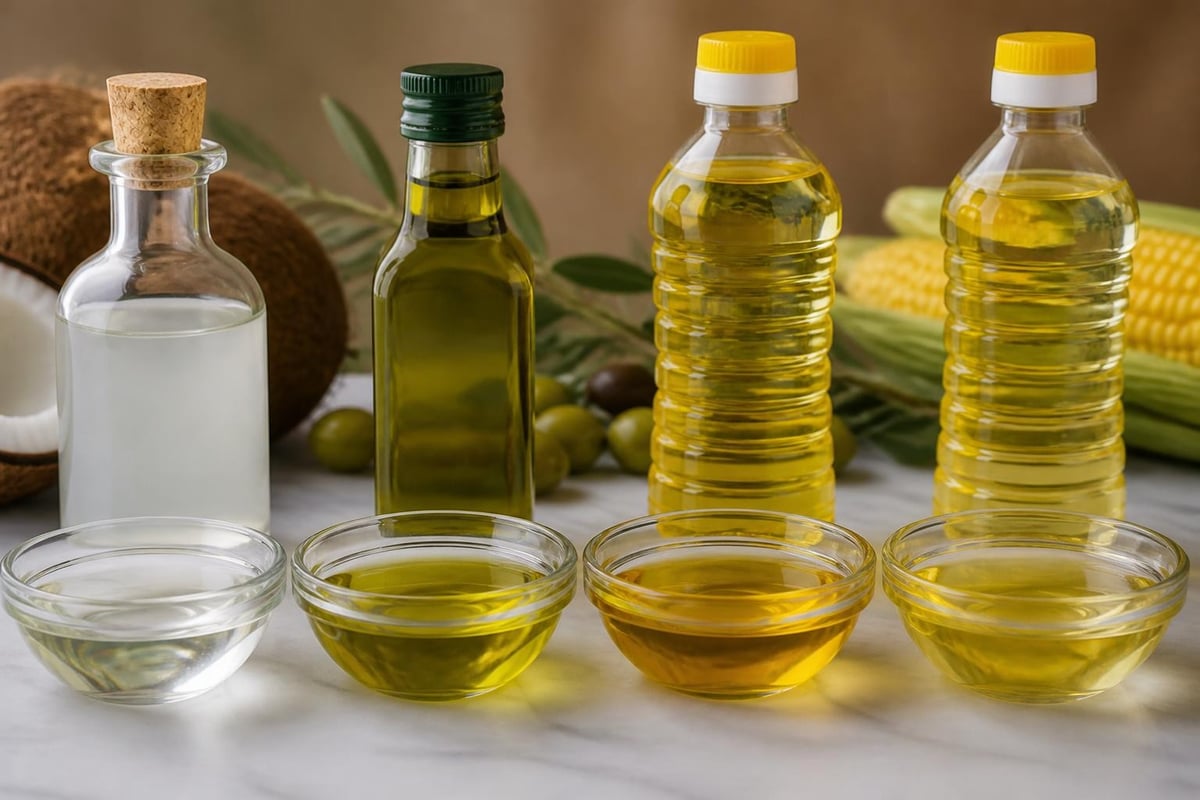
When evaluating cooking oil options, buyers often compare extra virgin oil coconut against other premium grades like olive oil. The comparison between coconut oil and olive oil reveals complementary strengths rather than clear superiority.
Coconut oil contains 92% saturated fat compared to olive oil's 14%, creating fundamentally different culinary properties and health considerations. The saturated fat in coconut oil consists primarily of MCTs, which research suggests may impact cardiovascular markers differently than long-chain saturated fats found in animal products.
Olive oil advantages include:
- Higher monounsaturated fat content
- Robust polyphenol antioxidant profile
- Established Mediterranean diet research
- Superior performance in salad dressings
Coconut oil advantages include:
- Higher smoke point for high-heat cooking
- Longer shelf stability
- Solid consistency at room temperature
- Unique MCT metabolic pathways
Quality Assessment and Authentication Methods
Sourcing authentic extra virgin oil coconut requires understanding verification methods that separate premium products from mislabeled alternatives. The global coconut oil market contains significant quality variation, making supplier vetting essential for businesses building product lines around this ingredient.
Sensory Evaluation Standards
Professional tasters evaluate extra virgin oil coconut using standardized protocols similar to olive oil assessment. Fresh, properly processed oil exhibits a clean coconut aroma without rancid, fermented, or chemical notes. The taste should deliver mild sweetness with characteristic coconut flavor and no throat irritation or bitter aftertaste.
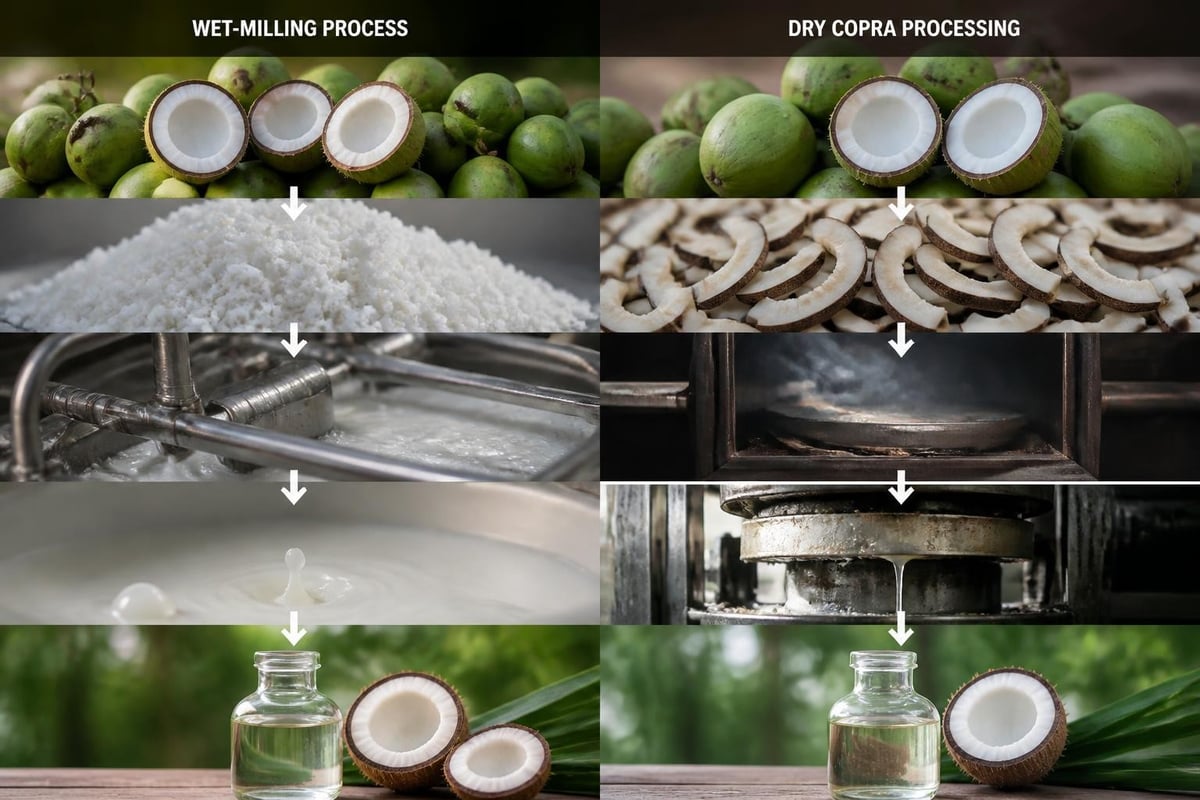
Color ranges from crystal clear to slightly cloudy depending on processing method, with wet-milling techniques producing whiter appearances than dry copra methods. Cloudiness at temperatures below 76°F (24°C) occurs naturally as the oil solidifies, distinguishing it from refined varieties that remain liquid at cooler temperatures through winterization processing.
Laboratory Testing Protocols
Third-party laboratory certification provides objective quality validation beyond sensory assessment. Gas chromatography analysis confirms fatty acid profiles match expected MCT percentages for authentic coconut oil. Contamination with cheaper oils like palm kernel becomes detectable through fatty acid ratios that deviate from coconut oil's characteristic signature.
Essential quality tests include:
- Free fatty acid analysis (acidity measurement)
- Peroxide value testing (oxidation assessment)
- Moisture and impurities quantification
- Heavy metal screening (lead, arsenic, cadmium)
- Microbial contamination verification
- Pesticide residue analysis for organic claims
Reputable suppliers maintain comprehensive batch documentation linking finished products to specific harvest lots. This traceability enables rapid response to quality concerns and demonstrates commitment to transparency throughout the supply chain.
Production Methods and Processing Techniques
The manufacturing approach fundamentally determines whether coconut oil qualifies for extra virgin classification. Two primary extraction methods dominate commercial production, each delivering different quality outcomes and operational economics.
Wet-Milling Cold Press Process
Fresh coconut meat containing approximately 50% moisture undergoes immediate processing without drying. Mechanical presses or centrifugal separators extract oil from the grated coconut cream, producing a pure product with maximum nutrient retention. The cold process manufacturing method maintains temperatures below enzymatic degradation thresholds.
This technique yields lower volumes per coconut compared to dry methods but commands premium pricing due to superior quality characteristics. Processing must occur within 24 hours of harvest to prevent fermentation and preserve the fresh coconut flavor profile.
Dry Copra Comparison
Traditional copra production involves drying coconut meat to reduce moisture content below 6%, then extracting oil through mechanical or solvent methods. While efficient for large-scale operations, the drying process typically involves heat or sun exposure that degrades heat-sensitive compounds.
Copra-derived oils rarely qualify as extra virgin due to processing temperatures and potential contamination during extended drying periods. Most refined coconut oil originates from copra feedstock that undergoes bleaching and deodorization to remove off-flavors developed during drying and storage.
| Processing Method | Yield Per Coconut | Quality Grade | Processing Time |
|---|---|---|---|
| Wet-Mill Cold Press | 15-20% oil content | Extra Virgin | 2-8 hours |
| Wet-Mill Centrifuge | 18-22% oil content | Extra Virgin | 1-4 hours |
| Dry Copra Press | 25-30% oil content | Virgin/Refined | 3-7 days |
| Copra Solvent Extract | 32-35% oil content | Refined Only | 5-10 days |
Commercial Applications and Usage Guidelines
Extra virgin oil coconut serves diverse applications across food manufacturing, foodservice operations, and retail consumer markets. Understanding optimal use cases helps businesses maximize the ingredient's functional and marketing value.
Food Manufacturing Integration
Bakery manufacturers leverage the solid consistency of coconut oil at room temperature to replace hydrogenated fats in cookies, pastries, and confections. The natural saturated fat structure provides desirable texture without trans fats, addressing health concerns while maintaining product performance.
The high smoke point of approximately 350°F (177°C) makes extra virgin oil coconut suitable for medium-heat cooking applications, though refined varieties tolerate higher temperatures. Snack food producers use it for coating nuts, popcorn seasoning, and granola binding where the coconut flavor enhances rather than conflicts with product profiles.
Optimal food manufacturing applications:
- Vegan butter and spread formulations
- Chocolate and confectionery coatings
- Energy bar binding and texture
- Non-dairy creamer bases
- Specialty baked goods for health markets
Formulators must account for the oil's melting point when developing products stored or consumed at varying temperatures. Summer formulations may require adjustments to maintain stability in warm climates.
Foodservice and Retail Considerations
Restaurants incorporating extra virgin oil coconut benefit from its stability during repeated heating cycles compared to polyunsaturated oils that oxidize rapidly. However, the distinct coconut flavor limits versatility compared to neutral-tasting refined options.
Retail packaging emphasizes glass or BPA-free containers that preserve quality while communicating premium positioning. Amber or opaque bottles protect against light-induced oxidation, though coconut oil's saturated fat structure provides natural resistance to degradation compared to oils high in polyunsaturated fats like soybean oil or sunflower oil.
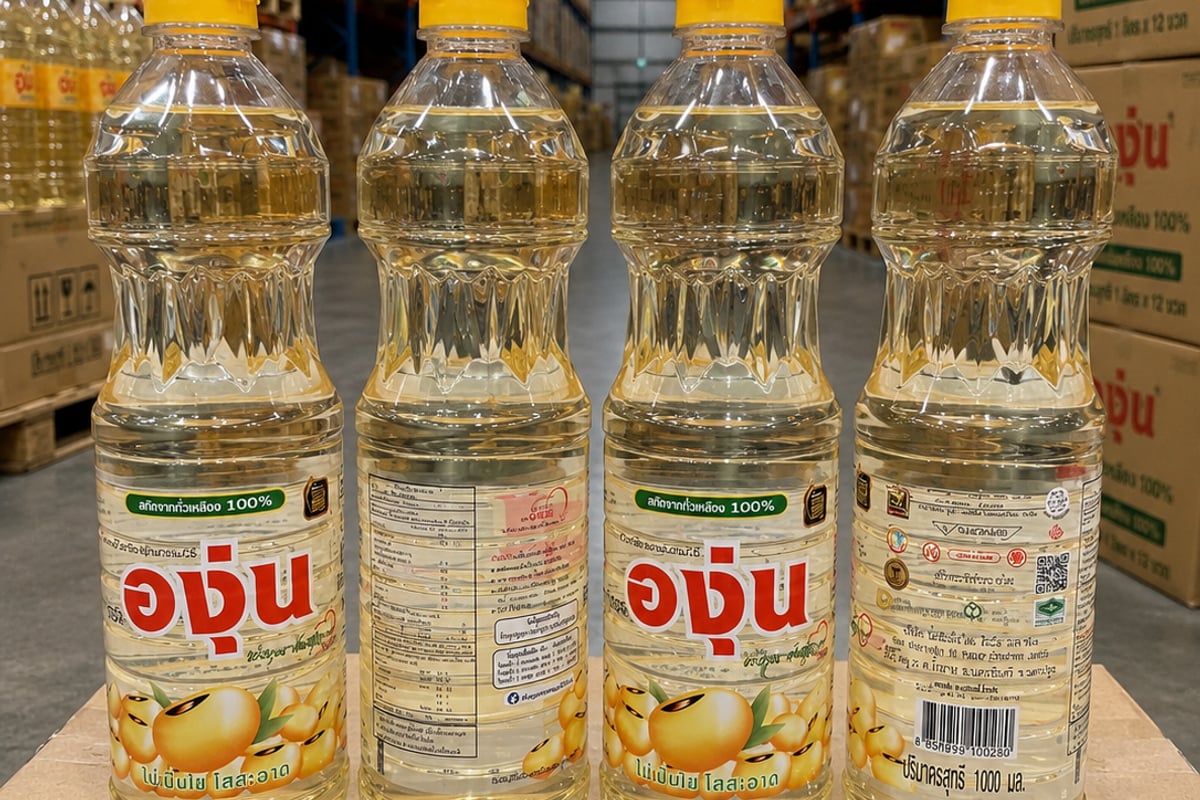
Storage recommendations specify cool, dark locations despite coconut oil's superior shelf stability. Properly stored extra virgin oil coconut maintains quality for 18-24 months, significantly exceeding the 6-12 month window for delicate seed oils.
Market Positioning and Consumer Trends
The global coconut oil market has experienced significant evolution as consumer understanding of fat science advances. Extra virgin oil coconut occupies a premium niche commanding 30-50% price premiums over refined alternatives, justified by processing integrity and nutritional preservation.
Health-Conscious Market Segments
Paleo diet followers, ketogenic lifestyle adherents, and clean-eating advocates represent core consumer demographics driving extra virgin coconut oil demand. These segments prioritize minimal processing and natural food states, aligning perfectly with cold-pressed production methods.
The functional food movement embraces coconut oil's MCT content for applications beyond basic cooking. Coffee enhancement, smoothie integration, and direct consumption for purported health benefits create usage occasions that value extra virgin quality over refined commodity grades.
Target market characteristics:
- Willingness to pay premium pricing for quality assurance
- Label literacy and ingredient list scrutiny
- Preference for organic and fair-trade certifications
- Interest in oil versatility beyond cooking applications
- Engagement with health and wellness content communities
Brands successfully marketing extra virgin oil coconut emphasize transparency through origin stories, processing videos, and third-party quality certifications. The visual manufacturing process creates compelling content for digital marketing strategies.
Competitive Landscape Analysis
Extra virgin oil coconut competes within both the coconut oil category and the broader premium cooking oils segment. Positioning against olive oil requires different messaging than differentiation from refined coconut oil variants.
The debate between olive oil and coconut oil continues evolving as nutrition science clarifies the nuanced impacts of different fat types. Rather than declaring winners, informed marketers position products for complementary rather than competing roles in kitchen pantries.
Price sensitivity increases in institutional and manufacturing contexts where functionality outweighs marketing narrative. Bulk purchasers evaluate extra virgin oil coconut against cost-effective refined alternatives, requiring clear demonstration of value through enhanced product performance or marketability.
Sourcing Considerations for Business Buyers
Procurement professionals sourcing extra virgin oil coconut face decisions balancing quality requirements, supply chain reliability, and total cost considerations. The supplier selection process determines long-term product consistency and brand reputation protection.
Supplier Evaluation Criteria
Established coconut oil producers in tropical regions maintain vertical integration from plantation management through processing and export. This control ensures quality consistency and traceability that independent brokers cannot match.
Third-party certifications validate claims and reduce due diligence burden. USDA Organic, Fair Trade, Non-GMO Project, and ISO 22000 food safety management demonstrate operational standards and commitment to quality systems.
Critical supplier assessment factors:
- Processing facility location and capacity
- Quality control laboratory capabilities
- Certifications and compliance documentation
- Supply chain transparency and traceability
- Financial stability and business longevity
- Customer references and case studies
- Minimum order quantities and lead times
- Technical support and formulation assistance
Request representative samples from multiple production batches to assess consistency. Variability between lots indicates processing control issues that create formulation challenges and potential quality complaints.
Documentation and Specification Requirements
Comprehensive technical data sheets should detail fatty acid profiles, quality parameters, processing methods, and recommended storage conditions. Certificate of analysis documentation from accredited laboratories provides objective verification of specification compliance.
| Required Documentation | Purpose | Update Frequency |
|---|---|---|
| Certificate of Analysis | Quality verification | Per batch |
| Safety Data Sheet | Handling guidelines | Annual review |
| Allergen Statement | Regulatory compliance | Product changes |
| Kosher/Halal Certificates | Religious requirements | Annual renewal |
| Organic Certification | Marketing claims | Annual audit |
| Country of Origin | Trade compliance | Per shipment |
Establish clear specification limits with defined acceptance criteria before first purchase. Ambiguity regarding quality standards creates disputes and relationship friction when shipments fail to meet unstated expectations.
Regulatory Framework and Labeling Standards
Extra virgin oil coconut exists within complex regulatory environments that vary across international markets. Compliance with labeling requirements and quality standards protects businesses from legal liability and maintains consumer trust.
International Standards Organizations
The Codex Alimentarius Commission establishes international food standards including specifications for coconut oil. While Codex doesn't specifically define "extra virgin" for coconut oil as it does for olive oil, the term's usage implies adherence to minimal processing and quality standards analogous to olive oil classifications.
Regional regulations in the European Union, United States, and Asia-Pacific markets may impose additional requirements for organic claims, nutritional labeling, and allergen declarations. Importers bear responsibility for ensuring products meet destination market requirements regardless of origin country standards.
Truth in Labeling Considerations
The absence of legally binding "extra virgin" standards for coconut oil creates potential for misleading marketing. Ethical suppliers voluntarily adopt criteria mirroring olive oil standards to provide meaningful quality differentiation.
Defensible extra virgin claims require:
- Documented cold-press or centrifuge extraction
- Processing temperature logs below 120°F
- Free fatty acid analysis below 0.5%
- Absence of chemical refining agents
- Fresh coconut meat source material
- No additives or preservatives
Businesses making extra virgin claims should maintain supporting documentation demonstrating compliance with these criteria. Consumer protection agencies increasingly scrutinize premium oil marketing, with enforcement actions targeting unsubstantiated quality claims.
Storage, Handling, and Shelf Life Management
Proper storage protocols maximize the inherent stability advantages of extra virgin oil coconut while preventing quality degradation that erodes its premium positioning. Distribution partners and end users require clear guidance for maintaining product integrity.
Optimal Storage Conditions
Extra virgin oil coconut tolerates temperature variations better than most edible oils due to its high saturated fat content. However, maintaining consistent cool temperatures between 68-77°F (20-25°C) prevents unnecessary melting and solidification cycles that may accelerate minor quality changes.
Light exposure poses minimal risk compared to polyunsaturated oils, though UV radiation can gradually degrade antioxidant compounds over extended periods. Opaque or amber containers provide additional protection for retail products displayed under bright store lighting.
Storage best practices include:
- Cool, dry location away from heat sources
- Tightly sealed containers preventing oxygen exposure
- First-in-first-out inventory rotation
- Separate storage from strong-odored products
- Regular quality checks for off-odors or flavors
Commercial facilities should designate dedicated coconut oil storage away from petroleum products, cleaning chemicals, and aromatic spices that might contaminate even sealed containers through facility air circulation.
Shelf Life Expectations and Quality Monitoring
Unopened extra virgin oil coconut maintains optimal quality for 18-24 months when stored properly. This exceeds the 12-month standard for many refined vegetable oils and dramatically outperforms delicate oils like flaxseed or walnut that deteriorate within months.
After opening, exposure to oxygen accelerates oxidation processes. Retail consumers should use opened containers within 6-12 months, while food manufacturers incorporating the oil into finished products should reference it quickly to ensure maximum freshness in final formulations.
Periodic sensory evaluation detects quality changes before laboratory analysis. Fresh extra virgin oil coconut exhibits clean coconut aroma and flavor without soapy, rancid, or chemical notes. Any deviation warrants investigation and potential batch rejection.
Quality Differentiation in Competitive Markets
Successfully marketing extra virgin oil coconut requires clear communication of quality differences that justify premium pricing. Educated buyers understand value propositions, while general consumers need simplified messaging connecting processing methods to benefits.
Transparency and Traceability Initiatives
Blockchain technology and QR code systems enable consumers to trace products from specific coconut groves through processing facilities to retail shelves. This transparency builds trust and differentiates premium brands in crowded marketplaces.
Origin storytelling resonates with consumers seeking authentic products connected to traditional production methods. Highlighting small-scale farming communities, sustainable harvesting practices, and traditional processing techniques creates emotional connections beyond functional product attributes.
Effective transparency elements include:
- Farm and processor identification
- Harvest date and processing timeline
- Third-party testing results access
- Production method video documentation
- Sustainability and social impact metrics
Brands investing in comprehensive transparency systems command loyalty premiums and weather negative industry publicity affecting competitors with opaque supply chains.
Building Brand Equity Through Education
Content marketing explaining coconut oil science, processing differences, and application versatility positions brands as trusted authorities rather than commodity suppliers. Educational approaches address consumer confusion around saturated fat, quality classifications, and usage recommendations.
Strategic partnerships with nutrition professionals, chefs, and wellness influencers extend credibility beyond self-promotional messaging. Third-party validation from respected voices carries greater weight than manufacturer claims in skeptical consumer environments.
The evolving understanding reflected in medical perspectives on coconut oil requires brands to stay current with research developments and adjust messaging accordingly. Balanced communication acknowledging ongoing scientific discussions demonstrates integrity versus dogmatic promotion.
Extra virgin oil coconut delivers distinct quality advantages through minimal processing that preserves beneficial compounds and authentic flavor profiles. Understanding production standards, health properties, and appropriate applications enables businesses to make informed sourcing decisions aligned with their product strategies and target markets. Whether you're a food manufacturer seeking premium ingredients, a distributor building health-focused product lines, or a retailer serving discerning customers, partnering with a reliable supplier ensures consistent quality and supply chain security. Thai Cooking Oils provides comprehensive edible oil solutions including premium coconut oil alongside complementary products for diverse food industry applications.
