
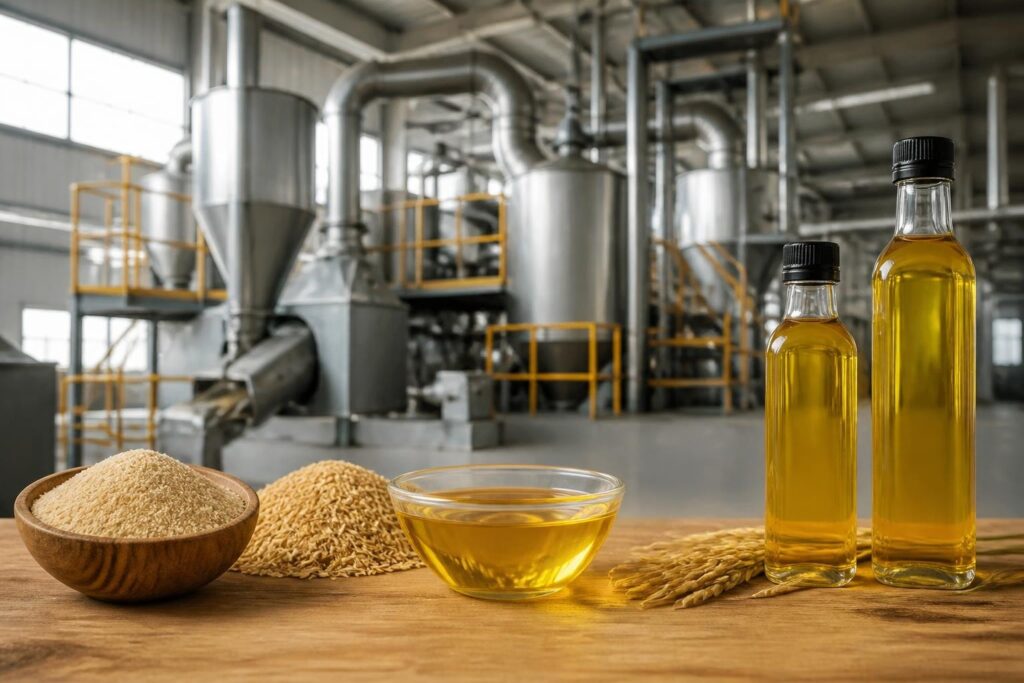
Rice bran edible oil has emerged as one of the most nutritionally valuable cooking oils in the global market, combining exceptional health benefits with superior cooking performance. Extracted from the outer layer of rice grains during the milling process, this golden-colored oil delivers a unique combination of heart-healthy compounds, high smoke point, and neutral flavor that appeals to health-conscious consumers and food manufacturers alike. As demand grows for functional ingredients and premium cooking oils, rice bran edible oil represents a strategic opportunity for importers, distributors, and food industry professionals seeking to diversify their product portfolios with scientifically backed, versatile oils.
Nutritional Profile and Unique Components
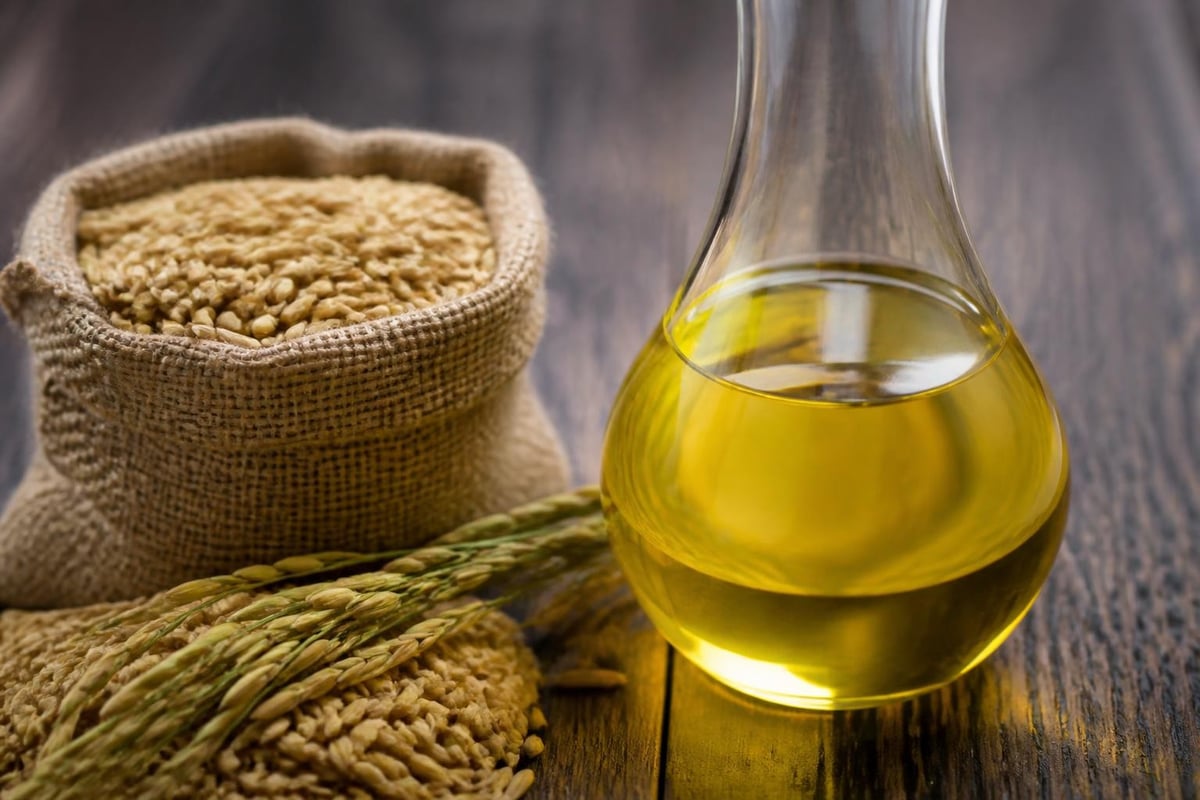
Rice bran edible oil stands out among vegetable oils due to its exceptional nutritional composition and bioactive compounds. The oil contains approximately 47% monounsaturated fatty acids, 33% polyunsaturated fatty acids, and only 20% saturated fats, creating an ideal balance that supports cardiovascular health.
Key Bioactive Compounds
The distinctive health benefits of this oil stem from several unique components rarely found in other cooking oils:
- Gamma-oryzanol: A powerful antioxidant compound exclusive to rice bran oil, ranging from 1.5% to 2.9% by weight
- Tocotrienols and tocopherols: Members of the vitamin E family that provide superior antioxidant protection
- Plant sterols: Natural compounds that help reduce cholesterol absorption in the digestive system
- Squalene: A lipid that supports skin health and cellular function
Research published on PubMed examining rice bran oil’s health benefits demonstrates how these unique components work synergistically to deliver measurable health outcomes. The gamma-oryzanol content particularly distinguishes this oil from competitors, offering antioxidant capacity that exceeds many conventional vegetable oils.
Fatty Acid Composition
| Fatty Acid Type | Percentage Range | Health Impact |
|---|---|---|
| Oleic Acid (Monounsaturated) | 38-48% | Supports heart health, reduces inflammation |
| Linoleic Acid (Polyunsaturated) | 16-36% | Essential omega-6 fatty acid for cellular function |
| Palmitic Acid (Saturated) | 12-18% | Provides stability and shelf life |
| Stearic Acid (Saturated) | 1-3% | Neutral impact on cholesterol levels |
This balanced fatty acid profile makes rice bran edible oil suitable for various dietary requirements and food manufacturing applications.
Scientifically Proven Health Benefits
Multiple clinical studies have validated the cardiovascular and metabolic benefits of incorporating rice bran edible oil into regular diets. These research findings provide food manufacturers and distributors with compelling marketing points when positioning products to health-conscious markets.
Cardiovascular Health Support
Clinical trials evaluating rice bran oil’s effects on cholesterol consistently demonstrate significant reductions in total cholesterol and LDL cholesterol levels. A systematic review and meta-analysis of randomized controlled trials found that subjects consuming rice bran oil experienced average LDL cholesterol reductions of 7-10% compared to baseline measurements.
The mechanism behind these cardiovascular benefits involves multiple pathways. Plant sterols compete with dietary cholesterol for absorption in the intestines, effectively reducing the amount of cholesterol that enters the bloodstream. Meanwhile, gamma-oryzanol enhances the body's natural cholesterol metabolism and supports healthy lipid profiles.
Metabolic Syndrome Management
Recent research on rice bran oil’s impact on cardiometabolic risk factors shows promising results for individuals with metabolic syndrome. Study participants who consumed rice bran edible oil for 12 weeks showed improvements in:
- Fasting blood glucose levels
- Insulin sensitivity markers
- Waist circumference measurements
- Inflammatory biomarkers
- Oxidative stress indicators
These findings position rice bran oil as a functional food ingredient that delivers measurable health outcomes beyond basic nutrition.
Antioxidant and Anti-inflammatory Properties
The tocotrienol content in rice bran edible oil provides antioxidant protection approximately 40-60 times more potent than standard tocopherols found in other oils. This superior antioxidant capacity helps protect cells from oxidative damage, supports immune function, and may reduce chronic inflammation throughout the body.
According to WebMD’s analysis of rice bran oil, the combination of vitamin E compounds and gamma-oryzanol creates a synergistic effect that enhances overall antioxidant status when consumed regularly.
Industrial Production Process
Understanding the production process of rice bran edible oil helps importers and distributors evaluate supplier capabilities and quality standards. The manufacturing journey from raw rice bran to refined oil involves multiple precision-controlled stages.
Raw Material Collection and Preparation
Fresh rice bran must be processed quickly after milling to prevent rancidity. The bran contains approximately 15-23% oil by weight, along with active lipase enzymes that can rapidly degrade quality if not stabilized immediately.
Critical steps in raw material handling include:
- Stabilization: Heat treatment within 2-4 hours of milling to deactivate lipase enzymes
- Moisture adjustment: Reducing moisture content to 8-10% for optimal extraction
- Particle size reduction: Grinding to uniform size for consistent oil yield
- Metal detection: Removing any metallic contaminants from milling equipment

Extraction Methods
Modern rice bran oil production employs two primary extraction techniques, each with distinct advantages for commercial operations.
Solvent Extraction Process:
This method achieves oil recovery rates of 18-22% and remains the most economical for large-scale production. Hexane solvent penetrates the rice bran particles, dissolving the oil content. The oil-solvent mixture (miscella) then undergoes distillation to separate pure oil from the solvent, which is recycled for reuse.
Mechanical Pressing:
Cold pressing or expeller pressing offers a chemical-free alternative preferred by organic and premium product segments. While oil recovery rates typically reach only 10-14%, the resulting oil commands premium pricing due to minimal processing and retention of more heat-sensitive nutrients.
Refining Stages
The complete industrial production process includes several refining steps that transform crude rice bran oil into food-grade edible oil:
| Refining Stage | Purpose | Parameters |
|---|---|---|
| Degumming | Removes phospholipids and gums | Water or acid treatment at 50-70°C |
| Neutralization | Eliminates free fatty acids | Caustic soda treatment, pH 7.0-7.5 |
| Bleaching | Removes color pigments and residual impurities | Activated clay at 90-110°C |
| Deodorization | Strips volatile compounds and odors | Steam distillation at 230-260°C under vacuum |
| Winterization | Removes waxes for clarity (optional) | Cooling to 5-10°C and filtration |
Our wholesale rice bran oil undergoes rigorous quality testing throughout each refining stage to ensure the finished product meets international specifications for color, taste, smoke point, and stability. Rice Bran Oil processed through these controlled stages delivers consistent performance characteristics valued by food manufacturers worldwide.
Commercial Applications and Culinary Performance
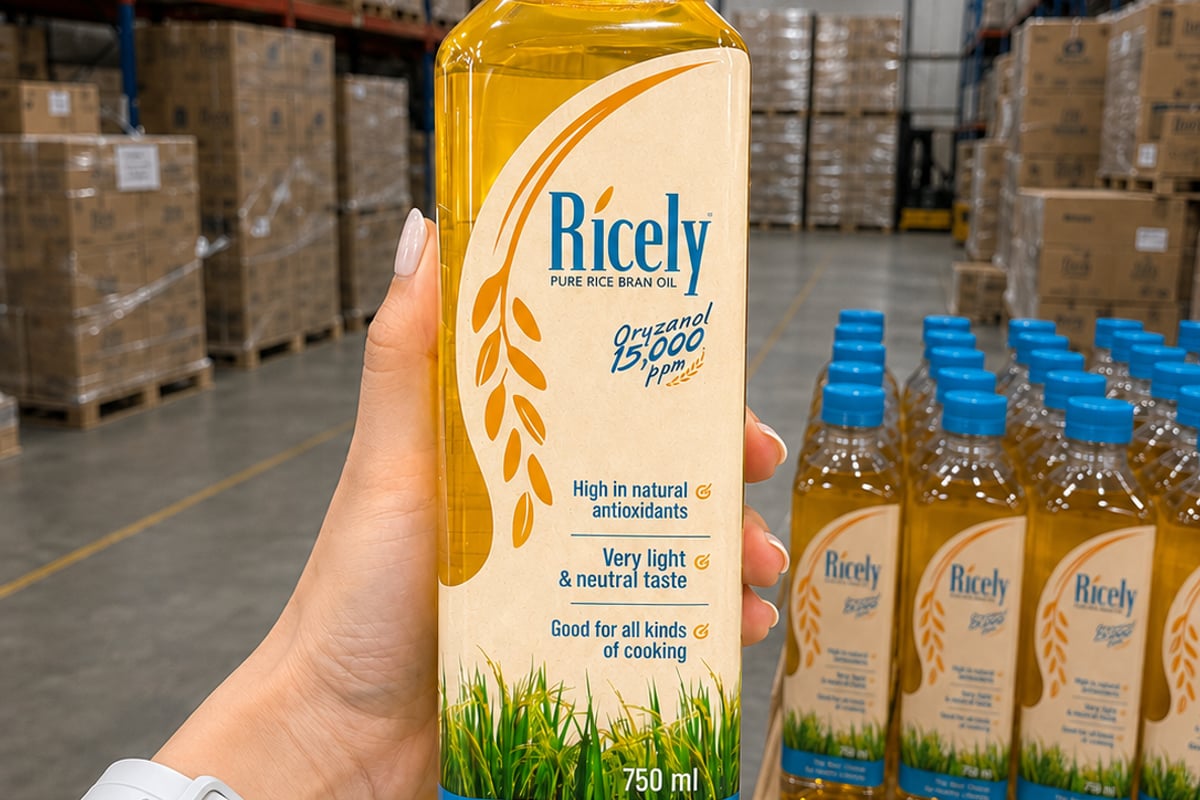
Rice bran edible oil's versatile properties make it suitable for diverse food manufacturing applications and culinary uses across multiple market segments.
High-Heat Cooking Applications
With a smoke point ranging from 450°F to 490°F (232-254°C), rice bran oil outperforms most conventional cooking oils for high-temperature applications:
- Deep frying operations in restaurants and food manufacturing
- Stir-frying in Asian cuisine preparation
- Sautéing and pan-frying in commercial kitchens
- Baking applications requiring neutral-flavored oils
- Industrial food processing requiring stable frying medium
The oil's exceptional oxidative stability means it maintains quality through extended frying cycles, reducing oil replacement frequency and lowering operational costs for commercial kitchens.
Food Manufacturing Integration
Food manufacturers incorporate rice bran edible oil into formulations for both functional and marketing advantages:
Snack Food Production: The light texture and neutral flavor don't interfere with seasonings while providing superior shelf stability in packaged products.
Salad Dressings and Sauces: Remains fluid at refrigerated temperatures, preventing separation or cloudiness in vinaigrettes and emulsified sauces.
Bakery Products: Delivers tender crumb structure in cakes and pastries while contributing to extended freshness.
Nutritional Supplements: Serves as a carrier oil for fat-soluble vitamins and supplements, adding its own nutritional value.
Quality Specifications and International Standards
Professional buyers evaluate rice bran edible oil against specific quality parameters that ensure consistent performance and safety across applications.
Key Quality Indicators
| Parameter | Standard Specification | Testing Method |
|---|---|---|
| Free Fatty Acid (as oleic) | Maximum 0.2% | AOCS Ca 5a-40 |
| Peroxide Value | Maximum 5.0 meq O2/kg | AOCS Cd 8-53 |
| Moisture Content | Maximum 0.1% | AOCS Ca 2c-25 |
| Iodine Value | 92-108 g I2/100g | AOCS Cd 1-25 |
| Saponification Value | 180-195 mg KOH/g | AOCS Cd 3-25 |
| Color (Lovibond) | R 3.0, Y 30 maximum | AOCS Cc 13e-92 |
These specifications align with Codex Alimentarius standards and ensure the oil performs consistently across different climate zones and storage conditions.
Shelf Stability and Storage
Rice bran edible oil demonstrates excellent shelf stability due to its natural antioxidant content. Under proper storage conditions (cool, dark environment, sealed containers), refined rice bran oil maintains quality for 12-18 months from production date.
The gamma-oryzanol and tocotrienol content provides inherent protection against oxidative rancidity, often reducing or eliminating the need for synthetic antioxidant additives in finished products.
Market Trends and Consumer Demand
Global demand for rice bran edible oil continues expanding as consumers and food manufacturers prioritize health-conscious ingredient choices backed by clinical research.
Regional Market Dynamics
Asia-Pacific Markets: Japan, South Korea, and Thailand lead regional consumption, where rice bran oil has established market presence in both retail and foodservice channels. Cultural familiarity with rice-based products creates natural consumer acceptance.
North American Growth: Health-conscious consumers increasingly seek alternatives to conventional cooking oils, with rice bran oil gaining shelf space in natural food retailers and specialty grocery chains.
European Expansion: Food manufacturers in Europe incorporate rice bran oil into clean-label formulations, leveraging its natural antioxidant content to replace synthetic preservatives.
Clean Label and Functional Foods
The clean label movement drives demand for ingredients with inherent nutritional benefits and minimal processing. Rice bran edible oil aligns perfectly with these trends, offering:
- Single-ingredient simplicity for product labels
- Natural source of functional compounds (gamma-oryzanol, vitamin E)
- Non-GMO status when sourced from conventional rice varieties
- Allergen-free profile suitable for sensitive consumers
Food manufacturers position products containing rice bran oil as premium, health-forward offerings that command higher price points while delivering documented nutritional benefits.

Sourcing Considerations for Commercial Buyers
Importers and distributors evaluating rice bran edible oil suppliers should assess multiple factors beyond basic pricing to ensure successful long-term partnerships.
Supplier Evaluation Criteria
Production Capacity and Consistency: Verify that suppliers maintain adequate production volume to meet your demand fluctuations, with backup capacity for seasonal peaks or unexpected growth.
Quality Control Systems: Look for suppliers with ISO 22000, HACCP, or equivalent food safety certifications demonstrating systematic quality management throughout production.
Traceability and Documentation: Comprehensive lot tracking systems enable rapid response to any quality issues and provide confidence for regulatory compliance in destination markets.
Technical Support: Suppliers offering application support and formulation guidance add value beyond commodity oil supply, particularly for manufacturers developing new products.
Sustainability and Ethical Sourcing
Rice bran represents a sustainable raw material as it utilizes a byproduct from rice milling that would otherwise go to animal feed or waste. This circular economy approach appeals to environmentally conscious buyers and supports corporate sustainability initiatives.
When evaluating suppliers, consider their practices regarding:
- Energy efficiency in extraction and refining operations
- Waste management and byproduct utilization
- Fair labor practices and community engagement
- Environmental certifications and third-party verification
Competitive Positioning Against Other Oils
Understanding rice bran edible oil's advantages compared to alternative cooking oils helps distributors and retailers develop effective marketing strategies.
Comparative Analysis
Versus Canola Oil: While both oils offer heart-healthy fatty acid profiles, rice bran oil provides unique gamma-oryzanol content and higher smoke point for superior high-heat performance.
Versus Sunflower Oil: Rice bran oil delivers better oxidative stability due to natural antioxidants, potentially extending shelf life in finished products without synthetic additives.
Versus Olive Oil: At a more accessible price point, rice bran oil provides comparable monounsaturated fat content with neutral flavor suitable for Asian cuisines where olive oil's distinctive taste would be inappropriate.
Versus Soybean Oil: The non-GMO status of conventional rice bran oil appeals to consumers avoiding genetically modified ingredients, while superior nutritional profile justifies premium positioning.
According to Healthline’s comprehensive overview of rice bran oil, the unique combination of affordability, functionality, and documented health benefits positions this oil favorably across multiple market segments.
Regulatory Compliance and Labeling
Commercial buyers must understand regulatory requirements governing rice bran edible oil in their target markets to ensure compliant product labeling and marketing claims.
Nutrition Labeling Requirements
Rice bran oil must be declared on ingredient panels using standardized nomenclature specific to each market. In the United States, "rice bran oil" appears on nutrition facts panels with serving size typically listed as 1 tablespoon (14g).
Permitted health claims vary by jurisdiction:
- FDA (United States): Qualified health claims regarding heart health require specific disclaimer language
- EFSA (European Union): Claims must align with approved nutrition and health claim regulations
- Health Canada: Nutrient content claims follow Canadian food labeling requirements
Import Documentation
Standard documentation for international rice bran oil shipments includes:
- Certificate of Analysis showing quality parameters
- Phytosanitary certificates from country of origin
- Certificate of Origin for customs clearance
- Halal or Kosher certification (when required by buyer)
- Non-GMO verification (if claiming non-GMO status)
- Organic certification (for organic products)
Working with experienced suppliers familiar with destination market requirements streamlines the import process and reduces potential delays at customs.
Rice bran edible oil represents a strategic addition to any vegetable oil portfolio, combining documented health benefits with superior cooking performance and growing consumer demand across global markets. Whether you're a food manufacturer seeking functional ingredients, an importer expanding product offerings, or a distributor serving health-conscious retail channels, sourcing premium rice bran oil from experienced suppliers ensures consistent quality and reliable supply. Thai Cooking Oils specializes in producing and exporting high-quality rice bran oil and other premium edible oils that meet international standards, providing the technical expertise and supply chain reliability your business needs to succeed in competitive markets.
