

Commercial kitchens and food manufacturers worldwide depend on reliable frying oils that deliver consistent performance while meeting health standards and cost efficiency goals. Canola oil has emerged as a leading choice for professional frying operations, offering a combination of high smoke point, favorable fatty acid profile, and neutral taste that makes it versatile across diverse culinary applications. Understanding the technical properties and best practices for canola oil frying enables food service operators, restaurant chains, and food processors to optimize their cooking processes while delivering quality products to health-conscious consumers.
Understanding Canola Oil's Frying Properties
Canola oil stands out among vegetable oils due to its refined composition and thermal stability characteristics. The oil contains approximately 7% saturated fat, making it one of the lowest saturated fat options available for commercial cooking applications. This nutritional advantage aligns with modern dietary guidelines that recommend limiting saturated fat intake for cardiovascular health.
The smoke point of refined canola oil reaches approximately 400°F (204°C), positioning it favorably for most frying applications. This high smoke point means the oil can withstand the temperatures required for deep frying without breaking down or producing unpleasant flavors. Research shows that processing methods significantly impact frying life, with properly refined canola oil demonstrating excellent stability under repeated heating cycles.
Fatty Acid Composition and Heat Stability
The molecular structure of canola oil contributes directly to its frying performance. The oil contains approximately 62% monounsaturated fatty acids, primarily oleic acid, which provides stability during heating. Polyunsaturated fatty acids make up about 32% of the composition, including beneficial omega-3 alpha-linolenic acid.
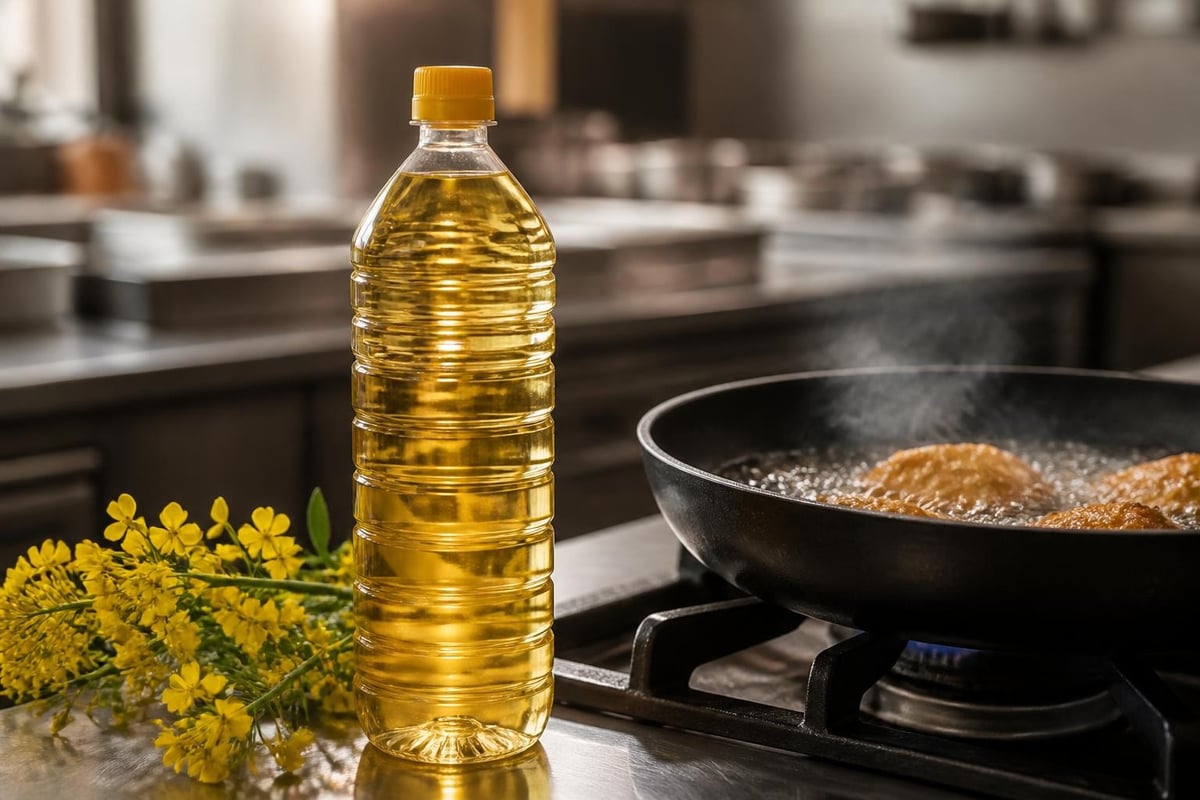
When oils undergo frying temperatures, chemical changes occur through oxidation, hydrolysis, and polymerization. Canola oil's balanced fatty acid profile helps minimize these degradation processes compared to oils with higher polyunsaturated fat content. The presence of natural antioxidants, including tocopherols, further protects the oil during thermal processing.
Health Considerations for Canola Oil Frying
Food manufacturers and restaurant operators increasingly face consumer demand for healthier cooking methods. Canola oil offers several nutritional advantages that make it attractive for health-focused establishments and products.
The American Heart Association recognizes oils low in saturated fat as beneficial for cardiovascular health. Canola oil contains the lowest saturated fat content among common cooking oils, making it a preferred choice for health-conscious operations. The omega-3 fatty acid content provides additional nutritional value often lacking in other refined vegetable oils.
Addressing Common Misconceptions
Several myths about seed oils have circulated in recent years, creating confusion among food service professionals and consumers. Harvard Health has addressed these concerns, clarifying that properly refined canola oil does not pose the health risks sometimes claimed in popular media.
The refining process removes erucic acid, a compound found in rapeseed that raised historical concerns. Modern canola oil contains less than 2% erucic acid, well below safety thresholds established by regulatory agencies worldwide. Quality suppliers ensure consistent testing to verify compliance with these standards.
Key health attributes of canola oil for frying:
- Lowest saturated fat among major cooking oils
- Contains beneficial omega-3 fatty acids
- Rich in vitamin E (tocopherols)
- Cholesterol-free composition
- Low erucic acid content meeting international standards
Optimizing Canola Oil Frying Performance
Professional kitchens require frying oils that maintain quality through multiple cooking cycles. Canola oil frying operations benefit from implementing systematic management practices that extend oil life and ensure consistent product quality.
Temperature control represents the most critical factor in frying oil management. Maintaining temperatures between 350°F and 375°F for most applications prevents unnecessary thermal degradation while achieving proper food texture and color. Exceeding the smoke point accelerates breakdown and reduces the number of productive frying cycles.
Managing Oil Turnover and Filtration
Regular filtration removes food particles and debris that accelerate oil degradation. Commercial operations should implement daily filtration protocols using appropriate mesh sizes that capture particulates without removing beneficial compounds from the oil.
| Frying Parameter | Recommended Range | Impact on Oil Life |
|---|---|---|
| Temperature | 350-375°F | Temperatures above 400°F significantly reduce oil life |
| Moisture Content | Below 0.1% | Excess moisture accelerates hydrolytic breakdown |
| Free Fatty Acids | Less than 0.05% fresh oil | Increases indicate degradation requiring replacement |
| Total Polar Materials | Below 24-27% | Common industry standard for oil disposal |
Oil quality testing helps determine optimal replacement schedules. Simple methods include color comparison and smoke observation, while sophisticated operations may employ laboratory analysis measuring free fatty acid content, polar compounds, and peroxide values. Choosing the right oil and monitoring its condition directly affects food safety and product consistency.

Canola Oil Frying Applications Across Food Service
Different food products require specific frying approaches to achieve optimal results. Canola oil's neutral flavor profile makes it exceptionally versatile, allowing the natural taste of foods to dominate rather than imparting strong oil flavors.
Commercial Deep Frying Operations
Restaurant chains and food processors value canola oil for high-volume deep frying applications. French fries, chicken products, seafood, and battered vegetables all perform well when fried in canola oil. The oil's composition produces crispy exteriors while maintaining moisture in the food interior.
The neutral taste proves particularly valuable for establishments serving diverse menu items from the same fryers. Unlike oils with distinct flavors, canola oil won't transfer unwanted tastes between batches of different foods, though separate fryers for allergen management remain essential for operations handling seafood or other allergen-containing products.
Common commercial applications:
- Quick-service restaurant french fry operations
- Food manufacturing facilities producing frozen fried products
- Institutional kitchens serving high meal volumes
- Specialty food processors for ethnic cuisine products
- Snack food manufacturers producing chips and similar items
Pan Frying and Sautéing
Beyond deep frying, canola oil excels in pan frying and sautéing applications. The high smoke point prevents burning during high-heat searing, while the light flavor complements rather than overwhelms delicate ingredients. Professional kitchens use canola oil for everything from seared proteins to stir-fried vegetables.
The oil's fluidity at room temperature makes it easy to measure and dispense in busy kitchen environments. Unlike saturated fats that solidify when cool, canola oil maintains consistent viscosity, simplifying handling and cleanup procedures.
Comparing Canola Oil to Alternative Frying Oils
Food service operators evaluate multiple factors when selecting frying oils, including cost, availability, performance characteristics, and nutritional profile. Understanding how canola oil compares to other vegetable oils helps inform purchasing decisions.
Soybean oil represents the most common alternative in many markets due to widespread availability and competitive pricing. While soybean oil performs adequately for frying, it contains higher levels of polyunsaturated fats that are more susceptible to oxidation during repeated heating. This composition may result in shorter useful frying life compared to canola oil.
Palm oil offers excellent frying stability due to its high saturated fat content, but this same characteristic raises concerns among health-focused consumers and institutions following heart-healthy guidelines. Environmental considerations around palm cultivation also influence purchasing decisions for sustainability-minded operations.
Technical Performance Comparison
| Oil Type | Smoke Point | Saturated Fat % | Omega-3 Content | Frying Stability |
|---|---|---|---|---|
| Canola | 400°F | 7% | High | Excellent |
| Soybean | 450°F | 15% | Moderate | Good |
| Palm | 450°F | 49% | None | Excellent |
| Sunflower | 440°F | 10% | Low | Good |
| Corn | 450°F | 13% | Low | Good |
The combination of health benefits, frying performance, and consumer acceptance makes canola oil a balanced choice for operations prioritizing multiple factors. While some oils may excel in individual categories, canola oil delivers comprehensive value across the full spectrum of frying considerations.
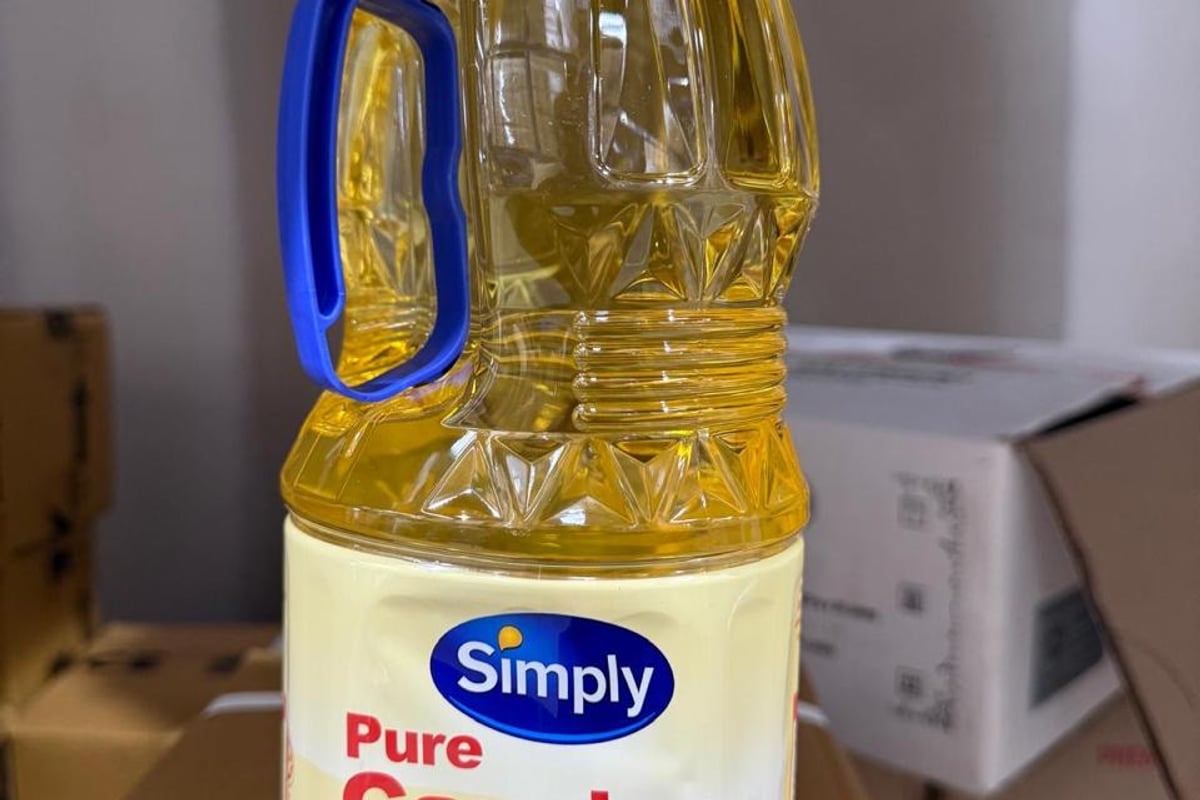
Thai Cooking Oils produces refined canola oil that meets stringent international quality standards for food manufacturing and commercial frying applications. The oil features low saturated fat content, a high smoke point of 400°F (204°C), and a neutral flavor profile ideal for various manufacturing processes, with moisture content below 0.1% and free fatty acid content less than 0.05%.
Best Practices for Canola Oil Frying Operations
Implementing systematic procedures maximizes the return on investment for frying oil purchases while maintaining food safety and quality standards. These practices apply equally to small restaurant operations and large-scale food manufacturing facilities.
Initial Oil Setup and Seasoning
New frying equipment or freshly cleaned fryers require proper preparation before introducing canola oil. Ensure all water is removed from the frying vessel, as moisture accelerates oil degradation and can cause dangerous spattering when heated. Some operators prefer to "season" new oil by running it through gentle heating cycles before frying food, though this step is optional with refined canola oil.
Fill fryers to the manufacturer's recommended level, typically marked on the frying vessel. Overfilling reduces efficiency and increases safety risks, while underfilling exposes heating elements that can create hot spots and uneven cooking temperatures.
Daily Operating Procedures
Pre-service checklist:
- Verify oil level and top off as needed with fresh canola oil
- Heat oil gradually to target temperature
- Check temperature calibration using a separate thermometer
- Skim surface debris before beginning cooking operations
- Test oil quality using color strips or other monitoring tools
During service, maintain consistent temperatures and avoid overloading fryers with food. Excessive food loads drop oil temperature dramatically, requiring longer cooking times and resulting in greasy products that absorb excessive oil. Follow a general guideline of filling fryers no more than half full of food items.
End-of-Day Maintenance
After completing frying operations, allow oil to cool to approximately 250°F before filtration. This temperature is low enough to handle safely but warm enough that the oil flows easily through filtration equipment. Remove large debris with a skimmer before filtering to prevent clogging filter media.
Filter oil through appropriate mesh or powder filtration systems, following equipment manufacturer guidelines. Store filtered oil in the fryer or a dedicated storage container protected from light and heat exposure. Cover fryers overnight to minimize oxidation from air exposure.
Extending Canola Oil Life Through Quality Management
Economic efficiency in frying operations depends on maximizing the productive life of cooking oil. Scientific research on frying oil oxidation has identified key factors that influence degradation rates and potential intervention points.
Temperature abuse represents the primary cause of premature oil degradation. Even brief periods at excessive temperatures initiate chemical changes that accumulate over time. Installing reliable temperature controls with automatic shutoff features prevents accidental overheating when fryers are left unattended.
Recognizing Degradation Indicators
Visual and sensory signs of oil breakdown:
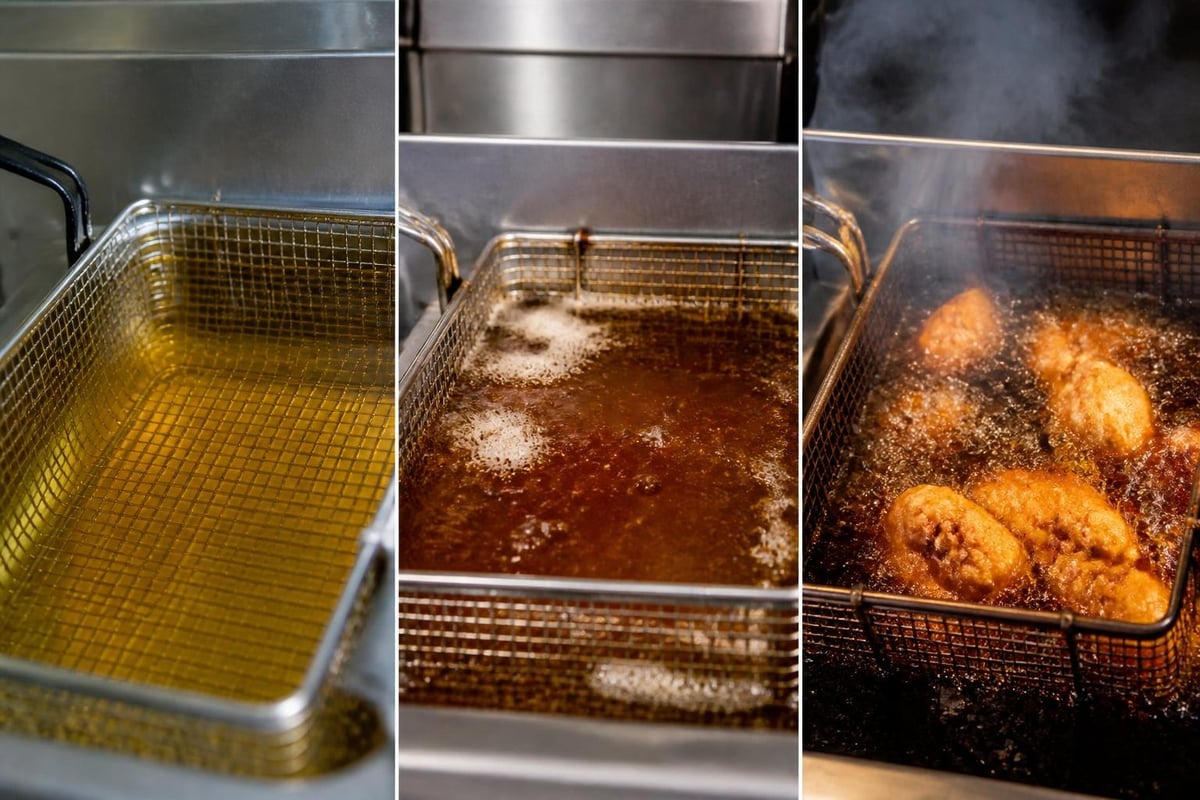
- Darkening color beyond normal use
- Increased viscosity or "thick" appearance
- Excessive foaming during frying
- Smoke production at normal operating temperatures
- Off odors or flavors transferred to food
- Food browning too quickly or unevenly
When multiple indicators appear simultaneously, oil replacement becomes necessary regardless of chronological age. Some oils degrade rapidly under heavy use, while others maintain quality for extended periods under ideal conditions. Professional operations rely on testing rather than arbitrary schedules to optimize replacement timing.
Mixing Fresh and Used Oil
Topping off fryers with fresh canola oil represents standard practice in commercial operations. This approach maintains proper oil levels while diluting accumulated breakdown products. However, adding fresh oil to severely degraded oil provides only temporary improvement. When quality indicators show significant deterioration, complete oil replacement delivers better results than attempting to extend life through additions.
Calculate oil turnover rate by tracking fresh oil additions relative to total fryer capacity. Operations with high turnover naturally refresh oil composition more frequently, while low-turnover applications may require scheduled complete replacements to maintain quality standards.
Sustainability and Disposal Considerations
Responsible oil management extends beyond the fryer to include proper disposal and potential recycling. Used canola oil from frying operations has value as feedstock for biodiesel production, animal feed supplements, and industrial applications. Establishing relationships with rendering companies or recycling services converts waste oil into revenue while supporting environmental goals.
Never dispose of used frying oil through drain systems. The oil solidifies in plumbing and municipal sewer systems, creating blockages and environmental contamination. Most jurisdictions prohibit this practice and impose significant fines for violations.
Recycling Programs and Documentation
Food manufacturers and large restaurant operations should implement formal used oil collection and recycling programs. These systems typically include:
- Designated storage containers meeting local fire codes
- Scheduled pickup services from qualified recycling vendors
- Documentation tracking oil volumes and disposal dates
- Compliance verification for environmental regulations
- Revenue optimization through competitive vendor selection
Smaller operations can participate in community used oil collection programs or coordinate with other establishments to meet minimum pickup volumes required by recycling services.
Sourcing Quality Canola Oil for Frying Operations
Supplier selection significantly impacts frying performance and cost management. Guidance on choosing heart-healthy oils emphasizes the importance of quality indicators that ensure consistent product specifications.
Reputable suppliers provide detailed specification sheets documenting key parameters including free fatty acid content, peroxide value, moisture content, and color measurements. These metrics enable comparison between suppliers and verification that delivered oil meets performance requirements.
Specification Requirements for Commercial Canola Oil
Critical quality parameters:
- Free fatty acid content: Less than 0.05%
- Peroxide value: Under 2.0 meq O2/kg
- Moisture content: Below 0.1%
- Smoke point: Minimum 400°F (204°C)
- Color: Light golden, Lovibond scale specification
- Flavor: Neutral, no off-flavors
- Iodine value: 110-126 (indicates fatty acid composition)
Establish relationships with suppliers who provide consistent quality and responsive technical support. Questions about storage, handling, or performance issues should receive prompt, knowledgeable responses from supplier representatives familiar with commercial frying applications.
Training Staff for Optimal Canola Oil Frying Results
Even the highest quality oil produces poor results when handled improperly. Comprehensive staff training ensures that everyone involved in frying operations understands proper procedures and quality standards.
Training programs should cover temperature management, load sizing, filtration procedures, safety protocols, and quality assessment. New employees require hands-on supervision until they demonstrate proficiency in all aspects of frying operations. Periodic refresher training reinforces proper techniques and introduces updates to procedures or equipment.
Safety Protocols and Emergency Procedures
Hot oil presents serious burn risks requiring strict safety discipline. Training must emphasize:
- Never adding water or ice to hot oil
- Using appropriate protective equipment when handling hot oil
- Maintaining clean, dry floors around frying equipment
- Keeping proper fire suppression equipment readily accessible
- Following emergency shutdown procedures for oil fires
- Reporting equipment malfunctions immediately
Regular safety drills ensure staff can respond effectively to emergencies. Many operations post simplified safety procedures and emergency contact information in visible locations near frying equipment.
Regional Variations in Canola Oil Frying Practices
Global food service operations encounter diverse preferences and regulations affecting oil selection and frying practices. While canola oil performs consistently across different climates and applications, local factors influence usage patterns and acceptance.
North American markets show high canola oil adoption rates for both commercial and retail applications. European markets increasingly embrace canola oil as awareness of its health benefits grows. Asian markets traditionally favor other oils but show growing interest in canola for specific applications, particularly in health-focused establishments and international chains.
Regulatory requirements vary by jurisdiction, affecting permissible additives, labeling requirements, and quality standards. Operations serving multiple markets must ensure their canola oil sourcing and handling procedures comply with the most stringent applicable regulations.
Successful canola oil frying operations depend on understanding the oil's properties, implementing systematic quality management practices, and selecting suppliers who deliver consistent specifications that support your performance goals. As a leading vegetable oil supplier and exporter based in Thailand, Thai Cooking Oils specializes in producing and globally supplying high-quality canola oil alongside other premium edible oils for importers, distributors, food manufacturers, restaurants, and retailers who demand reliable performance and comprehensive technical support.
