

The wholesale oils market represents a critical component of the global food supply chain, connecting producers with distributors, manufacturers, and retailers who require consistent, high-quality edible oils at competitive prices. Whether you're a food manufacturer seeking reliable bulk cooking oil supplies or a distributor expanding your product portfolio, understanding the complexities of wholesale oils procurement can significantly impact your bottom line and operational efficiency. In 2026, market dynamics continue to evolve with shifting consumer preferences toward healthier options, sustainability concerns, and the ongoing need for cost-effective sourcing strategies that don't compromise quality standards.
Understanding the Wholesale Oils Market Landscape
The global wholesale oils industry encompasses a diverse range of products, from refined vegetable oils to specialty cold-pressed varieties. Market participants must navigate complex supply chains that span multiple continents, each region offering distinct advantages in production capabilities and cost structures.
Key segments in the wholesale oils market include:
- Refined cooking oils (sunflower, canola, soybean, corn)
- Palm oil and palm derivatives
- Specialty oils (rice bran, coconut, olive)
- Industrial-grade oils for food manufacturing
- Organic and sustainably sourced options
Market forecasts indicate steady growth driven by expanding food processing sectors and increasing demand in emerging economies. Current vegetable oils market analysis suggests that supply structures remain relatively stable, though price volatility persists due to weather patterns affecting oilseed crops and geopolitical factors influencing major producing regions.

Regional Production Dynamics
Southeast Asia dominates palm oil production, while North America and South America lead in soybean oil output. Europe maintains significant canola and sunflower oil processing capacity. Understanding these regional strengths helps buyers identify optimal sourcing locations based on specific requirements.
Thailand has emerged as a strategic hub for vegetable oil refining and export, offering advanced processing infrastructure and competitive logistics for serving Asian, Middle Eastern, and African markets. The country's investment in refining technology ensures consistent product quality across various oil types.
Quality Standards and Specifications for Wholesale Oils
Professional buyers must establish clear quality parameters when sourcing wholesale oils. Unlike retail products where branding drives purchasing decisions, bulk oil procurement demands rigorous specification adherence and comprehensive testing protocols.
Critical Quality Metrics
| Parameter | Importance | Typical Range |
|---|---|---|
| Free Fatty Acid (FFA) | Indicates refining quality | Below 0.1% for refined oils |
| Peroxide Value | Measures oxidation level | Under 2.0 meq O2/kg |
| Moisture Content | Affects shelf stability | Below 0.1% |
| Smoke Point | Determines cooking applications | 400-450°F for refined oils |
| Color (Lovibond) | Visual quality indicator | Varies by oil type |
These specifications directly impact product performance in manufacturing processes and end-product shelf life. Buyers should require certificates of analysis with each shipment, verifying that wholesale oils meet agreed-upon standards.
International standards such as Codex Alimentarius provide baseline quality requirements, but many buyers establish stricter internal specifications. This approach ensures consistency across production batches and protects brand reputation when oils serve as ingredients in consumer products.
Supplier Selection and Relationship Management
Choosing the right wholesale oils supplier involves evaluating multiple factors beyond unit pricing. Long-term partnerships with reliable suppliers create competitive advantages through consistent quality, preferential allocation during tight markets, and collaborative problem-solving when challenges arise.
Essential evaluation criteria include:
- Production capacity and scalability
- Quality control infrastructure and certifications
- Supply chain transparency and traceability
- Financial stability and market reputation
- Technical support and customer service
- Logistics capabilities and delivery reliability
Due diligence should encompass facility audits when possible, third-party certifications review, and reference checks with existing customers. Many sophisticated buyers maintain relationships with multiple suppliers to mitigate risk while concentrating 60-70% of volume with a primary partner.
Certification Requirements
Modern wholesale oils procurement increasingly demands comprehensive certifications addressing food safety, sustainability, and ethical sourcing. ISO 22000, HACCP, and FSSC 22000 represent baseline food safety credentials that professional suppliers should maintain.
Sustainability certifications such as RSPO (Roundtable on Sustainable Palm Oil) for palm products or organic certifications for specialty oils respond to growing consumer awareness and corporate social responsibility commitments. Buyers serving health-conscious markets particularly value these credentials.

Pricing Structures and Cost Optimization Strategies
Wholesale oils pricing reflects complex interactions between raw material costs, processing expenses, logistics, and market demand dynamics. Successful buyers develop sophisticated understanding of these factors to negotiate effectively and time purchases strategically.
Primary cost components include:
- Oilseed commodity prices (tracked through futures markets)
- Crushing and refining processing costs
- Packaging specifications (flexitank, drums, IBCs)
- Transportation and freight charges
- Currency exchange rate fluctuations
- Storage and handling fees
Wholesale essential oils pricing factors demonstrate how production costs, quality certifications, and sourcing regions collectively influence final pricing, principles that apply equally to edible oils markets.
Smart procurement teams monitor commodity markets to identify favorable purchasing windows. Forward contracts can lock in pricing during market lows, though this strategy requires accurate demand forecasting to avoid over-commitment or storage challenges.
Volume Discounting and Contract Terms
Wholesale oils suppliers typically offer tiered pricing based on order quantities. A food manufacturer purchasing full container loads achieves significantly better unit economics than smaller distributors ordering partial quantities.
| Order Size | Typical Discount | Container Type |
|---|---|---|
| 20-22 MT (flexitank) | Baseline pricing | 20ft container |
| 44 MT (double flexitank) | 2-4% reduction | 40ft container |
| 100+ MT monthly | 5-8% reduction | Multiple shipments |
| Annual contracts 500+ MT | 8-12% reduction | Strategic partnership |
Payment terms significantly impact total acquisition costs. While longer payment periods improve cash flow, they often reduce available discounts. Buyers must balance these competing priorities based on their financial position and working capital requirements.
Packaging and Logistics Considerations
The physical movement of wholesale oils from production facilities to end users involves specialized packaging and handling requirements. Unlike solid goods, edible oils demand careful consideration of contamination prevention, temperature control, and efficient space utilization.
Bulk Packaging Options
Flexitanks have revolutionized edible oil logistics, allowing 20-24 metric tons per 20-foot container compared to traditional drum packaging. This innovation reduces packaging costs, speeds loading and unloading, and minimizes contamination risks through single-use design.
Intermediate Bulk Containers (IBCs) offer flexibility for mid-sized shipments, typically holding 1000 liters. These reusable containers suit buyers requiring smaller volumes or those blending different oil types at destination facilities.
Drums and pails serve niche applications where smaller unit sizes provide operational advantages, though per-liter costs increase substantially compared to bulk options.
Logistics planning must account for destination infrastructure. Buyers need appropriate receiving equipment (pumps, storage tanks) to efficiently handle bulk shipments. The investment in this infrastructure pays dividends through reduced per-unit costs on wholesale oils purchases.
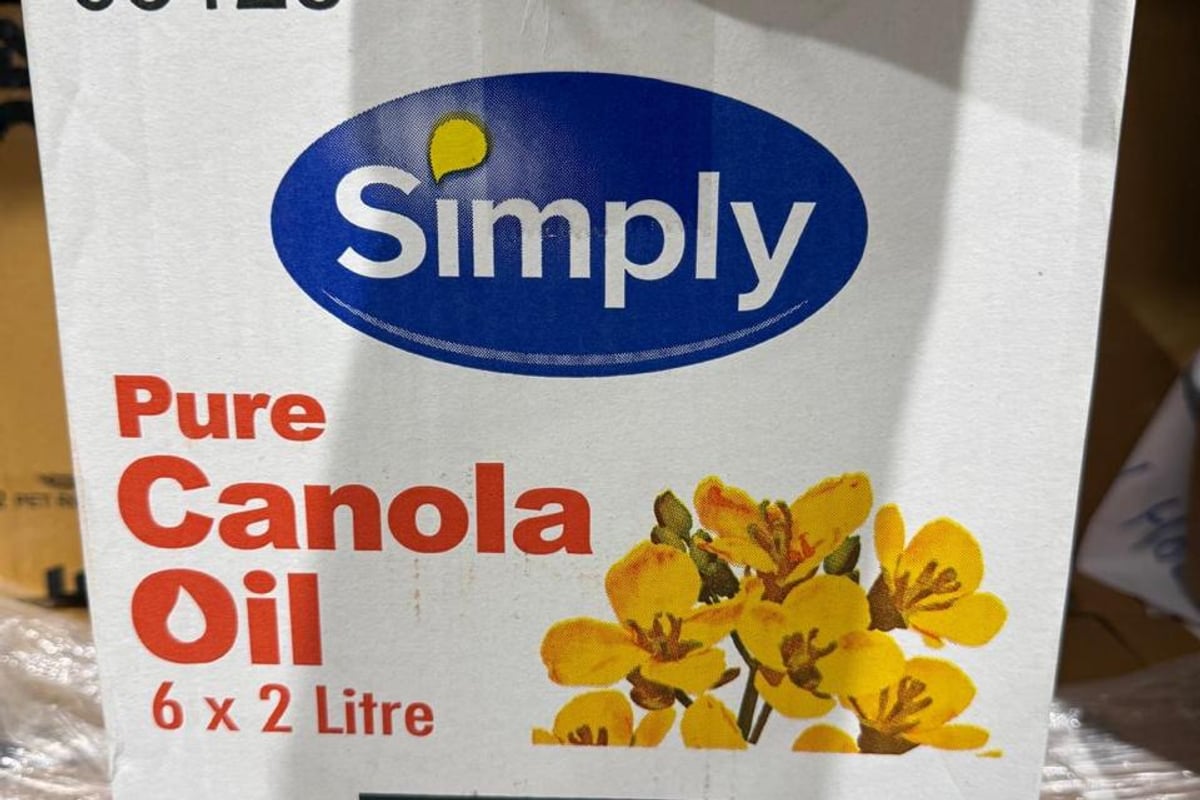
For health-conscious markets and food manufacturers prioritizing nutritional profiles, canola oil presents an excellent option with its low saturated fat content and versatile cooking properties. The neutral flavor profile and high smoke point make it particularly suitable for diverse manufacturing applications.
Emerging Trends Shaping Wholesale Oils Markets
The wholesale oils industry continues evolving in response to consumer preferences, regulatory changes, and technological innovations. Forward-thinking buyers monitor these trends to anticipate supply chain shifts and identify emerging opportunities.
Sustainability and Transparency
Consumers increasingly demand oils produced through environmentally responsible methods. This pressure flows upstream to wholesale buyers, who must verify that suppliers employ sustainable practices throughout production chains.
Emerging wholesale essential oils trends highlight the growing importance of sustainable sourcing and ethical practices, principles equally relevant across all oil categories including edible vegetable oils.
Blockchain technology and digital tracking systems enable unprecedented supply chain transparency. Progressive suppliers provide buyers with detailed origin information, including specific plantation or farm sources, processing facility data, and complete custody chain documentation.
Health and Nutrition Focus
Market demand continues shifting toward oils offering superior nutritional profiles. Oils high in monounsaturated and polyunsaturated fats while low in saturated fats command premium positioning, especially in developed markets where health consciousness drives purchasing decisions.
This trend creates opportunities for oils like rice bran, avocado, and high-oleic variants of traditional oils. Buyers serving health-focused food manufacturers should prioritize suppliers capable of providing these specialized products with supporting nutritional documentation.
Quality Assurance and Testing Protocols
Implementing robust quality assurance programs protects buyers from costly quality failures that can disrupt production, damage customer relationships, and potentially create food safety incidents.
Comprehensive testing programs should include:
- Pre-shipment sample analysis by independent laboratories
- Certificate of Analysis review for each batch
- Upon-receipt testing of critical parameters
- Periodic audit of supplier facilities
- Shelf-life stability testing for stored inventory
Many sophisticated buyers maintain approved supplier lists, requiring potential partners to pass qualification audits before receiving orders. This systematic approach reduces quality variation and establishes clear performance expectations.
Managing Quality Issues
Despite preventive measures, quality issues occasionally arise. Well-structured supplier agreements should specify resolution procedures, including sample retention policies, dispute resolution mechanisms, and financial remedies for non-conforming product.
Professional wholesale oils suppliers stand behind their products and work collaboratively to resolve issues quickly. A supplier's response to quality challenges often reveals more about their reliability than years of problem-free deliveries.
Storage and Inventory Management Best Practices
Proper storage significantly impacts wholesale oils quality retention and overall program economics. Oils deteriorate through oxidation, light exposure, and temperature fluctuations, making controlled storage environments essential for maintaining specifications.
Optimal storage conditions include:
- Temperature control between 60-75°F (15-24°C)
- Protection from direct sunlight
- Inert gas blanketing for long-term storage
- Regular tank cleaning and maintenance
- First-in-first-out inventory rotation
Inventory levels represent a balancing act between bulk purchasing economies and carrying costs. Excessive inventory ties up capital and increases quality degradation risks, while insufficient stocks create production disruptions and emergency purchasing at unfavorable prices.
| Inventory Strategy | Advantages | Considerations |
|---|---|---|
| Just-in-time | Minimal capital tied up | Requires reliable suppliers |
| 30-day buffer | Balances cost and security | Standard for most operations |
| 60-90 day stocks | Captures bulk pricing | Requires storage infrastructure |
| Forward buying (6+ months) | Market timing opportunities | High capital requirements |
Advanced buyers correlate inventory decisions with commodity market analysis, building stocks when prices trend downward and operating leaner during price spikes when rapid consumption makes sense.
Building Strategic Supplier Partnerships
Transactional relationships focused solely on unit pricing miss substantial value creation opportunities. Strategic partnerships with wholesale oils suppliers generate competitive advantages through collaborative innovation, priority allocation during shortages, and mutual investment in process improvements.
Value-Added Services
Leading suppliers offer technical support extending beyond basic product delivery. This assistance might include application development help, regulatory guidance for new markets, customized packaging solutions, or collaborative product development for specialized formulations.
Access to market intelligence represents another partnership benefit. Well-connected suppliers provide advance notice of supply disruptions, commodity price movements, and emerging quality issues affecting the industry. This information enables proactive rather than reactive procurement decisions.
Regulatory Compliance and Documentation
International wholesale oils trade involves complex regulatory requirements varying by destination market. Professional buyers ensure suppliers provide complete documentation supporting customs clearance and regulatory compliance.
Essential documentation includes:
- Commercial invoices and packing lists
- Certificates of Analysis with full specification data
- Health certificates from origin country authorities
- Halal or Kosher certifications when required
- Phytosanitary certificates
- Country of origin declarations
- GMO status documentation
European markets impose particularly stringent requirements including detailed traceability and contaminant testing results. Buyers serving these markets should verify suppliers maintain current knowledge of applicable regulations and provide supporting documentation without requiring extensive follow-up.
The administrative burden of international trade makes supplier selection critical. Experienced exporters streamline documentation processes and proactively address compliance requirements, reducing buyer workload and minimizing shipment delays.
Risk Management and Supply Chain Resilience
Recent years have demonstrated supply chain vulnerability to unexpected disruptions. Professional wholesale oils buyers implement risk mitigation strategies protecting against both predictable seasonal variations and unexpected crises.
Effective risk management approaches include:
- Geographic diversification of supplier base
- Multi-product sourcing capabilities within single suppliers
- Long-term contract provisions for minimum allocation rights
- Strategic inventory buffers for critical products
- Regular review of alternative suppliers and products
Understanding wholesale carrier oils market trends reveals how technological innovations and sustainability practices are reshaping supply chains, factors that also influence edible oils markets and long-term sourcing strategies.
Currency hedging programs protect against exchange rate volatility for buyers purchasing in foreign currencies. While these financial instruments add complexity, they eliminate surprise cost increases from currency movements on large-volume commitments.
Climate change introduces growing uncertainty into agricultural commodity markets. Buyers should discuss climate risk mitigation with suppliers, including their approaches to geographic diversification and relationships with multiple oilseed sources.
Successful wholesale oils procurement requires balancing quality standards, cost management, supplier relationships, and risk mitigation within a complex global market. By implementing systematic evaluation processes, maintaining strategic supplier partnerships, and staying informed about market dynamics, buyers can secure reliable supplies while optimizing total acquisition costs. Thai Cooking Oils combines advanced refining capabilities with comprehensive quality assurance and flexible logistics solutions to support food manufacturers, distributors, and retailers requiring consistent, high-quality edible oils for their operations.
