
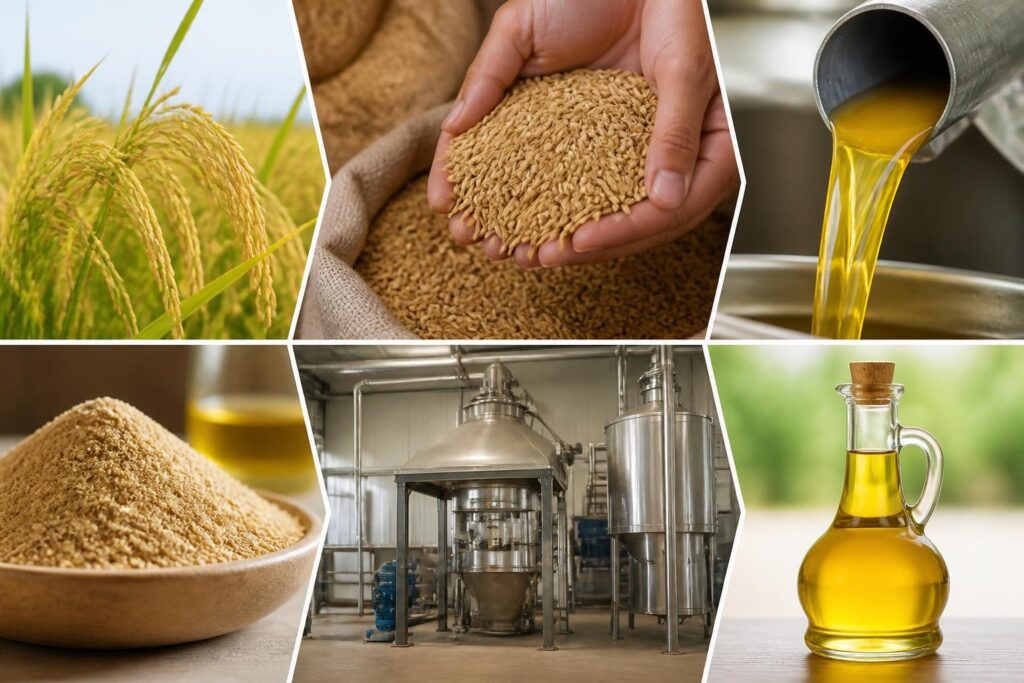
Rice bran oil has emerged as one of the most nutritionally sophisticated edible oils in the global marketplace, offering a unique combination of health benefits, cooking versatility, and commercial stability. Extracted from the outer layer of rice kernels during the milling process, this golden oil contains bioactive compounds that distinguish it from conventional cooking oils. For importers, distributors, and food manufacturers seeking to diversify their product portfolios, understanding the distinctive characteristics and market positioning of rice bran oil provides strategic advantages in health-conscious consumer segments. The oil's balanced fatty acid profile, high smoke point, and natural antioxidants make it particularly valuable for both traditional Asian cuisine and modern food processing applications.
Nutritional Profile and Bioactive Compounds
Rice bran oil stands apart from other vegetable oils due to its exceptional concentration of naturally occurring phytochemicals. The oil contains approximately 47% monounsaturated fats, 33% polyunsaturated fats, and 20% saturated fats, creating a balanced fatty acid composition that supports cardiovascular health.
Gamma-Oryzanol Content
The most distinctive component of rice bran oil is gamma-oryzanol, a mixture of plant sterols and ferulic acid esters found in concentrations of 1.5-2.9%. Research published in PubMed demonstrates the hypocholesterolemic effects of this unique compound, which has been shown to reduce LDL cholesterol absorption in the digestive tract. This bioactive substance also exhibits antioxidant properties that contribute to the oil's extended shelf life, making it advantageous for food manufacturers who require stable ingredients with minimal rancidity concerns.
Gamma-oryzanol's thermal stability remains intact at temperatures up to 254°C (489°F), allowing the compound to survive typical cooking and food processing conditions. This characteristic differentiates rice bran oil from many specialty oils that lose their beneficial components during high-heat applications.
Phytosterols and Vitamin E
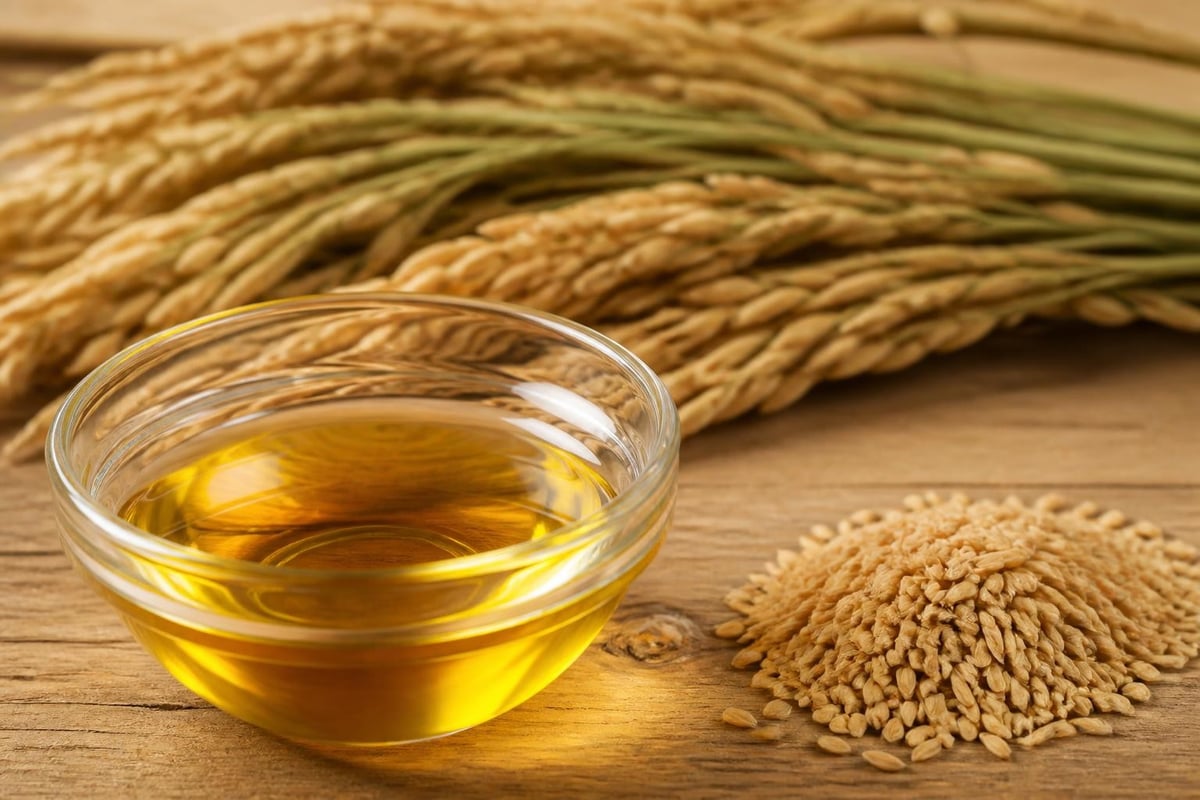
Phytosterols present in rice bran include beta-sitosterol, campesterol, and stigmasterol, which collectively contribute 1-2% of the oil's composition. These plant-based compounds structurally resemble cholesterol and compete for absorption in the intestinal tract, effectively reducing serum cholesterol levels.
The vitamin E content in rice bran oil consists primarily of tocotrienols and tocopherols, providing powerful antioxidant protection. This vitamin E complex offers:
- Cellular protection against oxidative stress and free radical damage
- Extended product shelf life through natural preservation mechanisms
- Cardiovascular support via anti-inflammatory pathways
- Skin health benefits when used in cosmetic applications
The tocotrienol fraction is particularly noteworthy, as these compounds demonstrate 40-60 times greater antioxidant activity than tocopherols in certain biological systems.
Production and Refining Process
The journey from rice paddy to refined cooking oil involves multiple stages that determine final product quality. The industrial production process begins immediately after rice milling, when fresh rice bran must be stabilized within hours to prevent enzymatic rancidity.
Extraction Methods
Modern rice bran oil production employs solvent extraction using food-grade hexane to achieve maximum yield from the raw material. The process typically recovers 16-22% oil from rice bran, depending on the rice variety and bran quality.
| Extraction Stage | Process Details | Yield Impact |
|---|---|---|
| Pre-treatment | Thermal stabilization, moisture adjustment | Prevents FFA formation |
| Solvent extraction | Hexane percolation at 50-60°C | 16-22% oil recovery |
| Solvent recovery | Distillation and recycling | Minimizes environmental impact |
| Crude oil filtration | Removal of solid particles | Improves refining efficiency |
The crude oil obtained from extraction contains 3-7% free fatty acids, requiring comprehensive refining to meet food-grade specifications. Understanding the rice bran oil refining process reveals the technical complexity involved in producing premium-quality finished oil.
Refining Stages
Degumming removes phospholipids and gums through water or acid treatment, reducing impurities that would otherwise compromise clarity and stability. This step is critical for rice bran oil due to its naturally higher phospholipid content compared to seed oils.
Dewaxing addresses the rice wax content that can cause cloudiness at refrigeration temperatures. Food manufacturers serving cold-chain retail markets require fully dewaxed oil to maintain visual appeal during storage and display.
Deacidification neutralizes free fatty acids using caustic soda, bringing acidity levels below 0.1% for refined products. This alkali refining step requires careful monitoring to preserve gamma-oryzanol and other heat-sensitive compounds.
The final deodorization stage employs steam distillation under vacuum at 200-240°C, removing volatile compounds that affect taste and odor while maintaining the oil's nutritional integrity.
Health Benefits and Nutritional Advantages
Multiple health benefits of rice bran oil have been documented through clinical research, positioning it as a premium option for health-conscious consumers and specialized food applications.
Cardiovascular Health Support
The combination of monounsaturated fats, phytosterols, and gamma-oryzanol creates a synergistic effect on heart health. Regular consumption has been associated with:
- Reduced total cholesterol levels by 7-10% in clinical trials
- Improved HDL to LDL ratios through selective cholesterol management
- Decreased triglyceride levels in subjects with metabolic syndrome
- Lower blood pressure readings in hypertensive individuals
These cardiovascular benefits make rice bran oil particularly valuable for food manufacturers developing heart-healthy product lines or reformulating existing products to meet clean-label demands.
Blood Sugar Management
The oil's effect on glucose metabolism has attracted attention from researchers studying diabetes management. The alpha-lipoic acid naturally present in rice bran oil enhances insulin sensitivity, while the balanced fatty acid profile supports stable blood sugar levels without the inflammatory response associated with some seed oils.
Antioxidant Capacity
Biological activities documented in research demonstrate that rice bran oil's antioxidant compounds protect against oxidative stress at the cellular level. The ORAC (Oxygen Radical Absorbance Capacity) value of rice bran oil exceeds that of many conventional cooking oils, providing superior protection against lipid peroxidation during storage and cooking.
Culinary Applications and Smoke Point
Rice bran oil's smoke point of 232°C (450°F) places it among the most heat-stable cooking oils available to commercial kitchens and food processors. This thermal tolerance enables diverse applications without degradation or harmful compound formation.
Professional Cooking Uses
The neutral flavor profile allows rice bran oil to enhance rather than mask ingredient flavors, making it ideal for:
- High-temperature stir-frying in Asian restaurants and commercial kitchens
- Deep-frying operations requiring extended oil life and minimal absorption
- Salad dressings and marinades where subtle taste is preferred
- Baking applications that benefit from moisture retention
Restaurants and food service operations appreciate the oil's extended fry-life, which reduces replacement frequency and lowers operational costs. The low polymerization tendency means less buildup on equipment surfaces compared to oils with higher linolenic acid content.
Food Manufacturing Integration
Industrial food processors incorporate rice bran oil into formulations requiring clean labels and functional performance. The oil works effectively in:
- Snack food production for better crispness and shelf stability
- Bakery products requiring consistent texture and moisture control
- Sauce and condiment manufacturing where emulsification is critical
- Spray-dried powder applications due to oxidative stability
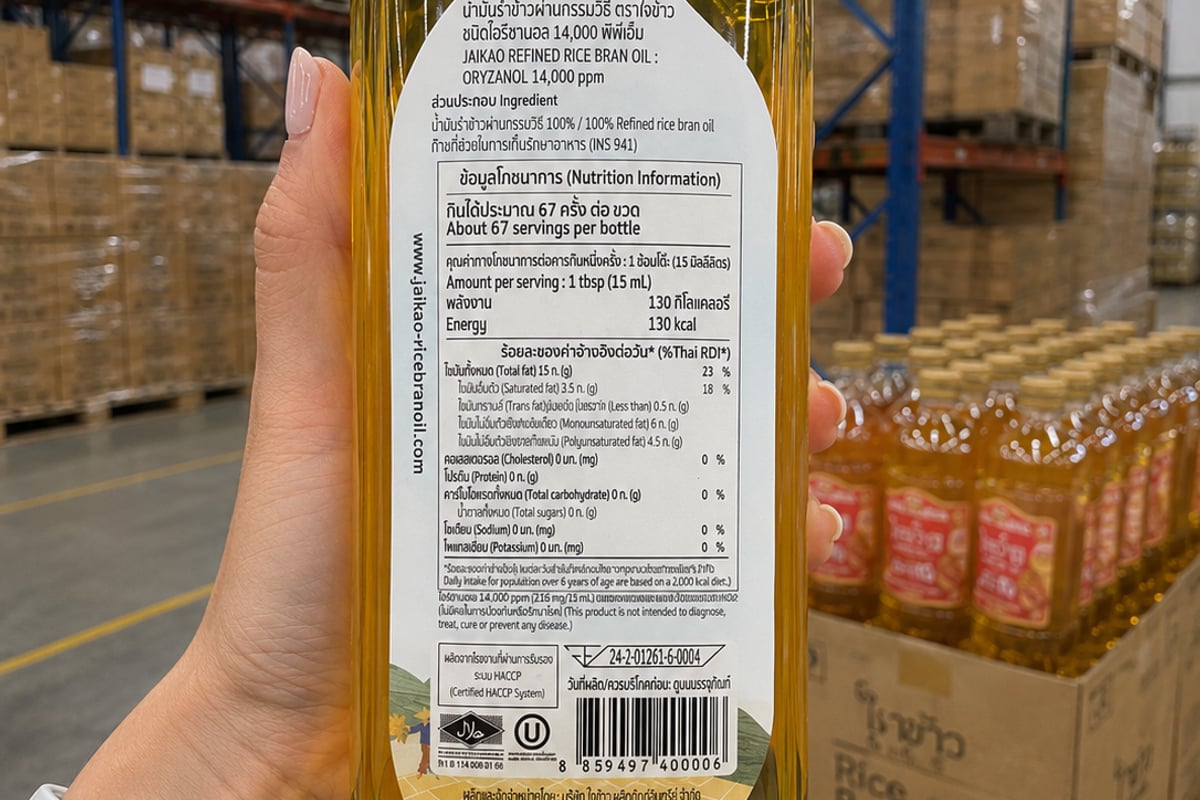
Thai Cooking Oils supplies wholesale rice bran oil that features exceptional nutritional properties, including balanced omega-3 and omega-6 fatty acids and natural cholesterol-lowering compounds. Our rice bran oil from Thailand undergoes rigorous quality testing to ensure consistent viscosity, neutral taste, and golden color characteristics that meet international standards.
Global Market Dynamics and Trade Considerations
The international rice bran oil market has experienced steady growth driven by increasing health awareness and demand for functional ingredients. Asia-Pacific regions dominate production due to abundant rice cultivation, with Thailand, India, Japan, and Vietnam serving as primary suppliers.
Import Market Trends
Developed markets including North America, Europe, and Australia show rising import volumes as consumers seek alternatives to traditional seed oils. Key market drivers include:
| Market Factor | Impact on Demand | Regional Variation |
|---|---|---|
| Health consciousness | High growth driver | Strongest in urban centers |
| Clean label trends | Moderate to strong | Premium retail segments |
| Asian cuisine popularity | Strong driver | Foodservice and retail |
| Price competitiveness | Limiting factor | Price-sensitive markets |
Importers and distributors must navigate quality verification, certification requirements, and supply chain logistics when sourcing from Asian producers. For those exploring packaging options and container loading configurations, understanding bulk versus retail packaging trade-offs affects landed costs and market positioning.
Quality Standards and Specifications
International buyers typically require specifications aligned with Codex Alimentarius standards or regional regulations. Critical parameters include:
- Free fatty acid content: Maximum 0.2% for refined oil
- Peroxide value: Below 5.0 meq/kg for optimal freshness
- Moisture and volatiles: Less than 0.1% to prevent microbial growth
- Smoke point: Minimum 230°C for high-heat applications
- Color: Lovibond scale reading of 2.0 Red maximum
Premium suppliers provide comprehensive certificates of analysis, third-party testing reports, and compliance documentation for halal, kosher, or organic certifications as required by destination markets.
Comparison with Other Cooking Oils
Understanding how rice bran oil positions against alternative oils helps importers and buyers make informed sourcing decisions based on application requirements and target market preferences.
Nutritional Comparison
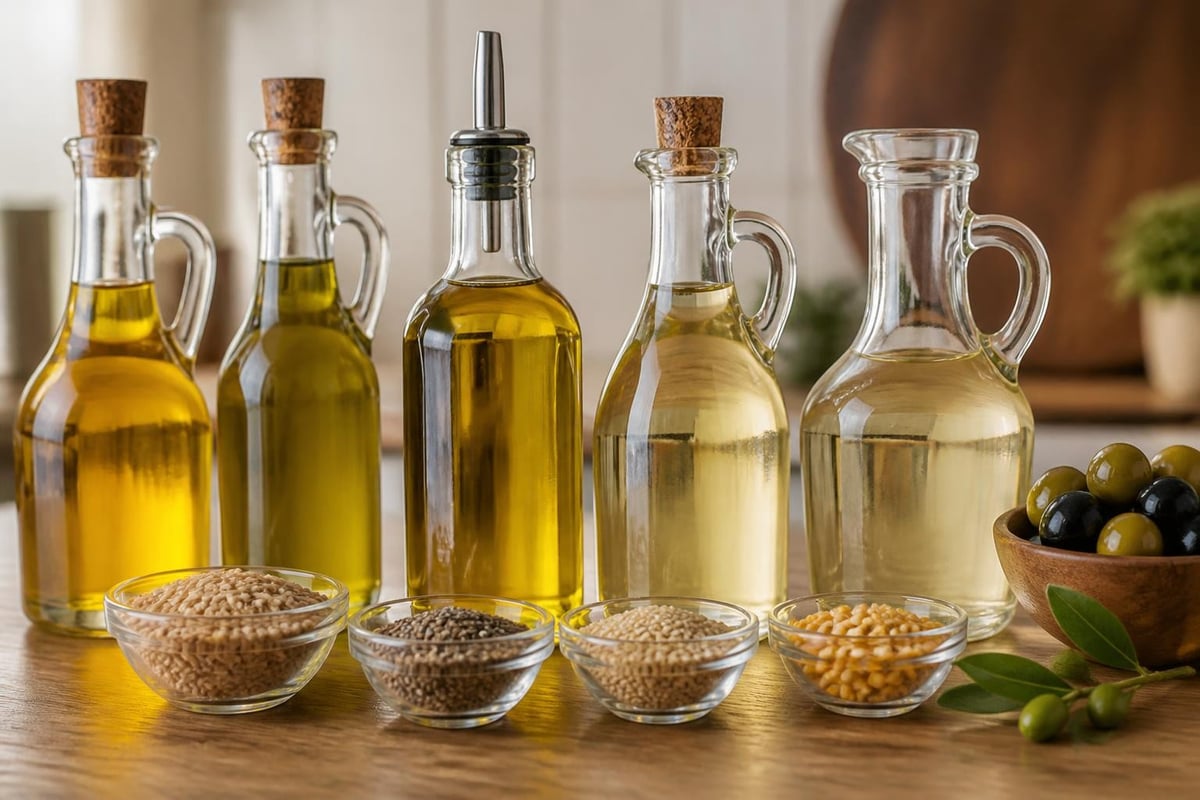
When evaluated against canola oil and soybean oil, rice bran oil demonstrates unique advantages:
- Higher gamma-oryzanol content than all conventional vegetable oils
- Better fatty acid balance compared to high-linoleic oils
- Superior oxidative stability versus polyunsaturated-dominant oils
- Comparable smoke point to refined peanut and safflower oils
The antioxidant profile exceeds that of corn and soybean oils significantly, though it contains fewer omega-3 fatty acids than canola oil. WebMD’s analysis of rice bran oil highlights these nutritional trade-offs for consumers evaluating different options.
Cost-Benefit Analysis for Commercial Buyers
While rice bran oil typically commands premium pricing compared to commodity oils, the total cost of ownership may favor it in specific applications:
- Reduced oil absorption in frying applications lowers ingredient costs
- Extended fry-life decreases replacement frequency and waste
- Premium positioning enables higher retail pricing for finished products
- Label appeal supports marketing to health-conscious segments
Food manufacturers producing products for health-conscious commercial food production markets often find the incremental cost justified by enhanced product differentiation and consumer acceptance.
Storage, Handling, and Shelf Life
Proper storage protocols maximize rice bran oil quality retention from production through end-use applications. The oil's natural antioxidants provide inherent stability, but environmental factors still influence degradation rates.
Optimal Storage Conditions
Maintaining quality requires controlled environments that minimize exposure to degradation catalysts:
- Temperature control between 15-25°C prevents accelerated oxidation
- Light protection using amber containers or opaque packaging blocks photodegradation
- Oxygen exclusion through nitrogen blanketing in bulk storage extends shelf life
- Moisture prevention via sealed containers inhibits hydrolytic rancidity
Bulk importers utilizing flexitanks or ISO tank containers should implement nitrogen padding during transport and storage to preserve quality across extended supply chains.
Expected Shelf Life Parameters
Under proper storage conditions, refined rice bran oil maintains quality specifications for 12-18 months from production. Key indicators of remaining shelf life include:
- Peroxide value trending (should remain below 10 meq/kg)
- Free fatty acid levels (increases indicate hydrolysis)
- Sensory evaluation (taste and odor changes)
- Color stability (darkening suggests oxidation)
Distributors and importers should establish first-in-first-out inventory rotation systems and monitor storage conditions through regular quality testing. For businesses interested in learning more about expert resources on oil handling best practices, comprehensive guidance supports quality maintenance throughout the distribution chain.

Sustainability and Environmental Considerations
Rice bran oil production offers environmental advantages as it utilizes a byproduct from rice milling that would otherwise require disposal or low-value applications. This upcycling approach aligns with circular economy principles increasingly valued by environmentally conscious buyers.
Byproduct Utilization
Approximately 10% of rough rice weight becomes bran during milling operations. Converting this material into premium cooking oil creates economic value while reducing agricultural waste. The spent rice bran remaining after oil extraction serves as:
- Animal feed ingredient with moderate protein content
- Soil amendment for agricultural applications
- Industrial raw material for wax and phytochemical extraction
- Biomass fuel for energy generation in integrated facilities
This multi-stage utilization maximizes resource efficiency and minimizes environmental impact compared to oils requiring dedicated crop cultivation.
Carbon Footprint Considerations
Life cycle assessments comparing rice bran oil to palm, soybean, and canola oils show competitive environmental profiles when production efficiency is optimized. Transportation distances significantly influence total carbon footprint, making regional sourcing strategies important for buyers prioritizing sustainability metrics.
Importers focused on environmental responsibility should evaluate suppliers based on processing efficiency, renewable energy integration, and waste minimization practices beyond basic product quality specifications.
Regulatory Status and International Trade
Rice bran oil enjoys Generally Recognized as Safe (GRAS) status in the United States and approved food oil status in European Union markets. This regulatory acceptance facilitates international trade without special restrictions, though standard food import protocols apply.
Certification Requirements
Buyers in different markets may require specific certifications depending on end-use applications and consumer preferences:
- Halal certification for Muslim-majority markets and observant consumers
- Kosher certification for Jewish communities and specialized retailers
- Organic certification for premium natural products segments
- Non-GMO verification addressing genetic modification concerns
- ISO 22000/FSSC 22000 for food safety management systems
Suppliers offering comprehensive certification portfolios provide importers greater flexibility in market positioning and reduce documentation burdens when serving diverse customer bases.
Import Documentation and Compliance
Standard import procedures require proper documentation including commercial invoices, packing lists, certificates of origin, and phytosanitary certificates where applicable. Buyers should verify that suppliers maintain current good manufacturing practices (GMP) and can provide:
- Batch-specific certificates of analysis
- Heavy metal testing results
- Pesticide residue screening reports
- Microbiological testing documentation
- Allergen declaration statements
Working with experienced exporters who understand destination market requirements streamlines customs clearance and reduces delay risks that can affect product freshness.
Strategic Sourcing Considerations for Importers
Developing reliable rice bran oil supply chains requires evaluation of multiple factors beyond unit pricing. Successful importers assess suppliers based on comprehensive criteria that ensure consistent quality and business continuity.
Supplier Evaluation Framework
Critical assessment areas include production capacity, quality systems, financial stability, and communication capabilities. Buyers should conduct supplier audits or review third-party audit reports verifying:
- Processing equipment condition and maintenance programs
- Quality control laboratories with calibrated instrumentation
- Traceability systems linking finished products to raw material batches
- Storage facilities providing proper environmental controls
- Loading procedures preventing contamination during shipment
Long-term partnerships with transparent suppliers who provide production visibility reduce supply disruption risks and support consistent product delivery to downstream customers.
Volume Planning and Contract Structures
Rice bran oil availability follows seasonal patterns aligned with rice harvest cycles. Importers should structure procurement to account for:
- Peak production periods when fresh rice bran generates maximum oil volumes
- Off-season supplies requiring advance contracting or spot market purchases
- Minimum order quantities economically viable for international shipping
- Price protection mechanisms against commodity market volatility
Forward contracting provides price stability and supply security, while maintaining flexibility for spot purchases allows opportunistic buying during favorable market conditions.
Rice bran oil represents a sophisticated addition to any edible oil portfolio, offering unique health benefits, excellent cooking performance, and premium market positioning that differentiate it from commodity alternatives. As global demand for functional ingredients and health-conscious products continues expanding, importers and food manufacturers who understand this oil's distinctive characteristics gain competitive advantages in increasingly discerning markets. For businesses seeking reliable supplies of premium rice bran oil along with comprehensive support throughout the sourcing process, Thai Cooking Oils provides expertly refined products, rigorous quality assurance, and dedicated customer service tailored to the needs of importers, distributors, and food manufacturers worldwide.
