

The global edible oil industry relies heavily on refined oil products to meet the demanding requirements of food manufacturers, distributors, and retailers worldwide. Through sophisticated processing techniques, crude vegetable oils undergo transformation into stable, versatile cooking oils that deliver consistent performance across diverse applications. Understanding the refining process, quality standards, and practical applications helps businesses make informed sourcing decisions while meeting consumer expectations for safety and quality.
What Is Refined Oil and Why It Matters
Refined oil represents vegetable oil that has undergone a series of processing steps to remove impurities, undesirable flavors, colors, and volatile compounds. This transformation process creates a stable product with extended shelf life, neutral characteristics, and predictable performance in commercial food production.
The refining process addresses several critical concerns for food manufacturers and distributors. Crude vegetable oils contain phospholipids, free fatty acids, pigments, and odorous compounds that can compromise product quality, reduce shelf stability, and create inconsistent results in food applications. Through controlled refining procedures, these elements are systematically removed or reduced to acceptable levels.
The Core Refining Processes
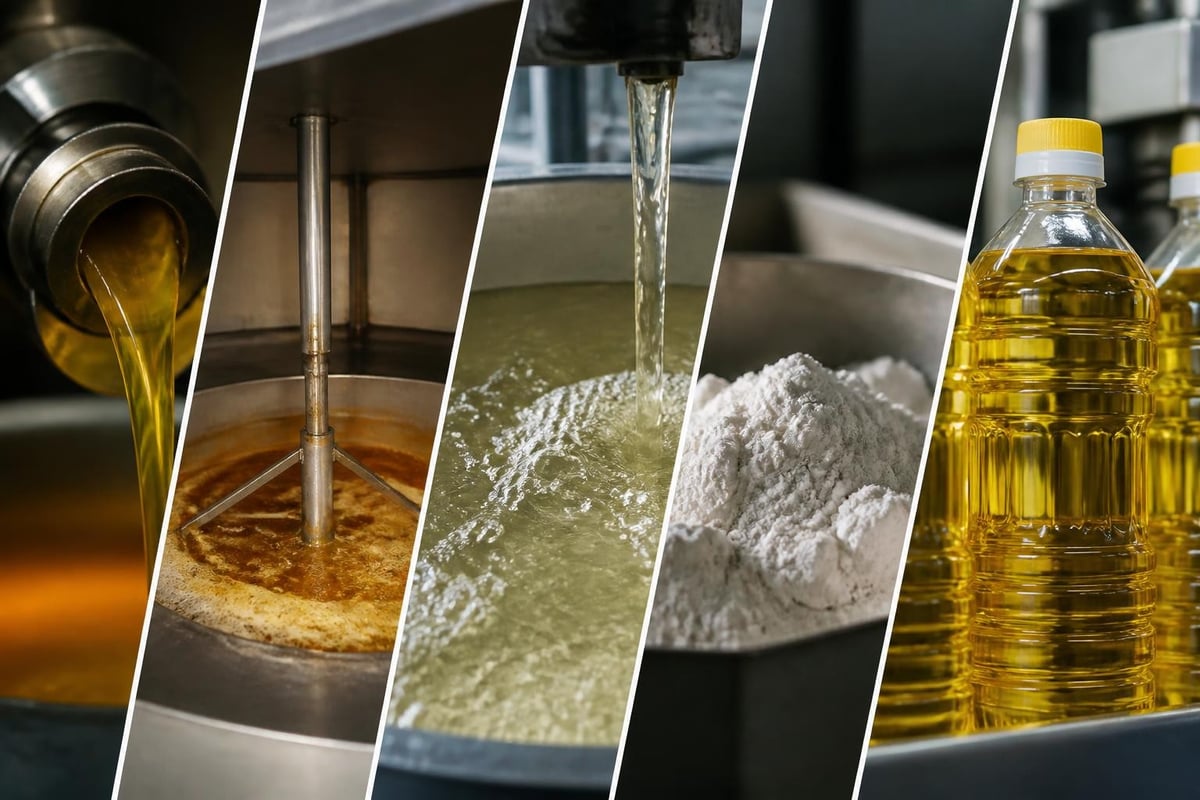
Modern refined oil production involves multiple sequential processes, each targeting specific impurities or characteristics. The primary stages include degumming, neutralization, bleaching, deodorization, and sometimes winterization, depending on the oil type and intended application.
Degumming removes phospholipids and gums that can cause cloudiness and reduce oil stability. This initial step typically involves treating crude oil with water or acid to hydrate phospholipids, making them easier to separate through centrifugation.
Neutralization eliminates free fatty acids that contribute to rancidity and off-flavors. Processors add alkali solutions to neutralize these acids, forming soap stocks that separate from the oil phase. This refining process significantly impacts the final product quality and shelf stability.
The following stages complete the transformation:
- Bleaching: Removes pigments, trace metals, and oxidation products using absorbent clays or activated carbon
- Deodorization: Eliminates volatile compounds responsible for unwanted flavors and odors through steam distillation under vacuum
- Winterization: Optional process that removes waxes and high-melting-point components for oils requiring refrigeration stability
Quality Standards and Specifications
Professional buyers evaluate refined oil based on standardized parameters that indicate purity, stability, and performance characteristics. These specifications ensure consistency across shipments and compliance with food safety regulations.
| Parameter | Specification Range | Significance |
|---|---|---|
| Free Fatty Acid | 0.03-0.1% | Indicates freshness and refining effectiveness |
| Peroxide Value | <2.0 meq O2/kg | Measures oxidative stability and shelf life |
| Moisture Content | <0.1% | Affects stability and microbial safety |
| Color (Lovibond) | R 1.0-3.0, Y 10-30 | Indicates bleaching effectiveness |
| Smoke Point | 230-250°C | Determines suitability for high-heat applications |
These parameters directly impact product performance in food manufacturing. Lower free fatty acid content correlates with better oxidative stability, while appropriate moisture levels prevent microbial growth and hydrolytic rancidity. The production methods significantly influence these quality markers, making supplier selection critical for consistent results.
International Standards and Certifications
Refined oil suppliers must navigate complex regulatory frameworks across different markets. Codex Alimentarius standards provide internationally recognized guidelines for edible oils, while regional regulations in the European Union, United States, and Asia establish specific requirements for labeling, contaminants, and processing aids.
Quality certifications demonstrate commitment to food safety and manufacturing excellence. ISO 22000 certification ensures comprehensive food safety management systems, while HACCP protocols identify and control potential hazards throughout production. GMP (Good Manufacturing Practices) certification validates proper facility design, sanitation procedures, and quality control measures.
Applications Across Food Manufacturing
Refined oil serves as a fundamental ingredient across numerous food production sectors, with selection based on functional properties, nutritional profiles, and cost considerations. Different applications demand specific oil characteristics to achieve desired product outcomes.
Commercial Frying Operations
High-volume frying operations in quick-service restaurants, snack manufacturers, and food processors require oils with exceptional thermal stability. Refined oils with high smoke points resist breakdown under sustained high temperatures, maintaining food quality while extending oil life between changes.
Key performance factors for frying applications include:
- Oxidative stability: Resistance to degradation during repeated heating cycles
- Flavor neutrality: Won't transfer unwanted tastes to fried products
- Low foaming: Maintains efficiency and safety in commercial fryers
- Consistent viscosity: Ensures uniform heat transfer and coating
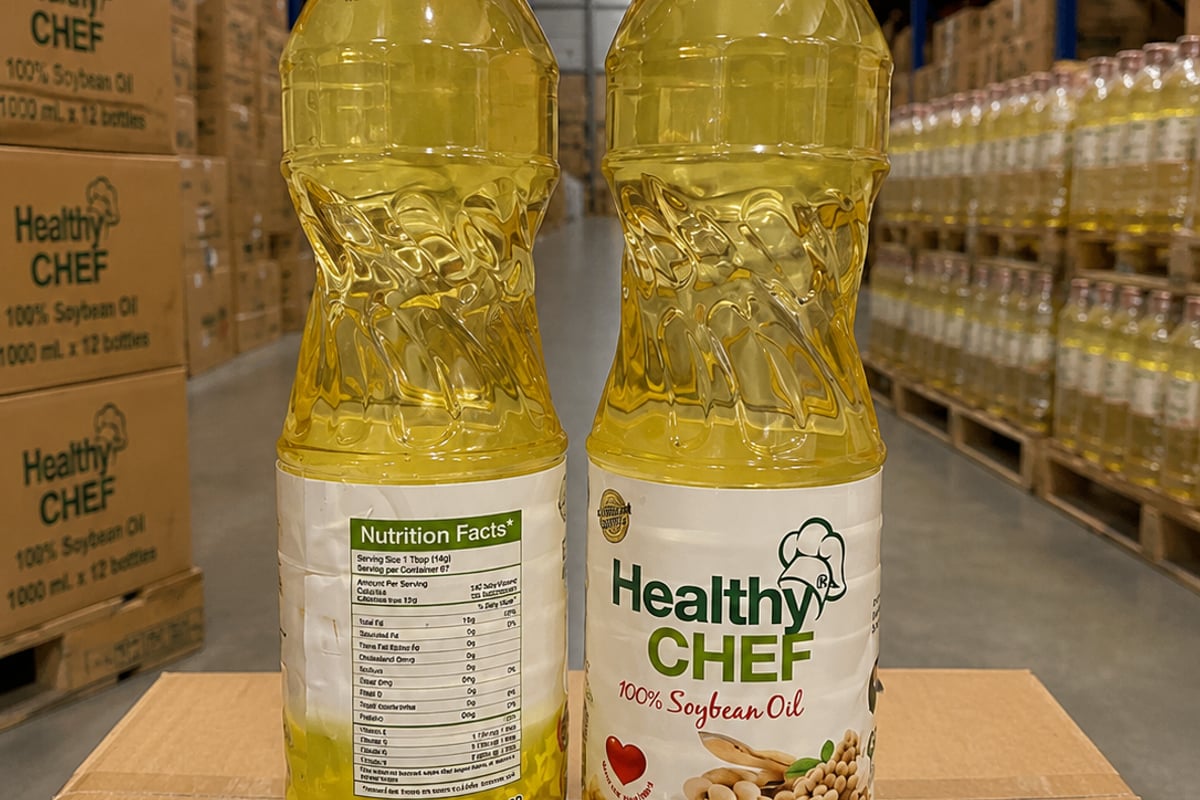
Our RBD soybean oil delivers exceptional performance in high-volume frying operations with its balanced fatty acid profile and refined stability characteristics. Rich in polyunsaturated fatty acids and naturally occurring vitamin E, it provides the thermal resistance food manufacturers need while supporting nutritional fortification requirements.
Baking and Food Processing
Bakery manufacturers and processed food producers select refined oils based on functionality in specific formulations. Neutral flavor profiles allow other ingredients to shine, while consistent quality ensures batch-to-batch repeatability in large-scale production.

Nutritional Considerations and Health Perspectives
The health implications of refined oil consumption generate ongoing discussion among nutritionists, food scientists, and health professionals. Understanding the relationship between processing methods and nutritional content helps businesses address consumer concerns while maintaining product quality.
Refining processes reduce certain beneficial compounds found in crude oils, including tocopherols (vitamin E), phytosterols, and polyphenols. However, this reduction occurs alongside the removal of harmful contaminants, unstable compounds, and substances that accelerate rancidity. The health effects depend significantly on the specific oil type and consumption patterns rather than the refining process alone.
Fatty Acid Composition Stability
The fundamental fatty acid profile of vegetable oils remains largely unchanged through proper refining. A refined oil maintains the characteristic balance of saturated, monounsaturated, and polyunsaturated fats inherent to its source material, whether sunflower, canola, or palm.
| Oil Type | Saturated Fat | Monounsaturated Fat | Polyunsaturated Fat |
|---|---|---|---|
| Sunflower | 10-12% | 18-25% | 60-70% |
| Canola | 6-7% | 60-65% | 28-32% |
| Palm | 49-51% | 37-40% | 9-12% |
| Soybean | 14-16% | 23-25% | 57-60% |
This stability in fatty acid composition means that refined oils retain their fundamental nutritional characteristics. The processing primarily affects minor components and physical properties rather than the core lipid structure that determines metabolic effects.
Sourcing and Supply Chain Considerations
Food manufacturers, distributors, and importers face strategic decisions when establishing refined oil supply partnerships. Reliable sourcing requires evaluating supplier capabilities beyond basic product specifications to ensure long-term business success.
Geographic sourcing advantages influence total landed costs and supply security. Thailand's strategic position in Southeast Asia provides access to diverse oilseed sources, established processing infrastructure, and efficient export logistics. Regional production capabilities for palm oil, coconut oil, and rice bran oil complement imported oilseeds processed for export markets.
Supplier Evaluation Criteria
Professional procurement teams assess potential refined oil suppliers across multiple dimensions:
- Production capacity and scalability: Ability to meet current volumes and accommodate business growth
- Quality consistency: Track record of meeting specifications across shipments and seasons
- Traceability systems: Documentation connecting finished products to raw material sources
- Regulatory compliance: Certifications and approvals for target markets
- Technical support: Formulation assistance and application guidance
- Logistics capabilities: Packaging options, container configurations, and shipping reliability
Establishing relationships with suppliers who understand market-specific requirements prevents costly quality issues and supply disruptions. The investment in thorough supplier qualification pays dividends through reduced risk and improved operational efficiency.
Storage and Handling Best Practices
Maintaining refined oil quality from production through final use requires proper storage and handling protocols. Even high-quality products degrade when exposed to adverse conditions, creating financial losses and potential food safety concerns.
Temperature control represents the most critical factor in refined oil storage. Elevated temperatures accelerate oxidation reactions, reducing shelf life and developing off-flavors. Understanding proper storage conditions preserves product investment and ensures consistent quality for end users.
Recommended storage conditions include:
- Temperature range: 15-25°C (59-77°F) in climate-controlled warehouses
- Light protection: Opaque containers or darkened storage areas to prevent photo-oxidation
- Oxygen limitation: Sealed containers with minimal headspace to reduce oxidative degradation
- Contamination prevention: Dedicated storage areas away from strong odors and chemicals
Container and Packaging Considerations
Refined oil packaging options balance protection requirements with handling efficiency and cost considerations. Bulk shipments for food manufacturers typically use flexitanks, ISO tanks, or drums, while smaller quantities may ship in intermediate bulk containers (IBCs) or bottles.
Material selection impacts product preservation. Food-grade HDPE, PET, and steel containers provide effective barriers against oxygen and light transmission. For specialized markets like Chile or other distant destinations, packaging must withstand extended transit times and varying environmental conditions.
Market Trends Shaping Refined Oil Industry
The global refined oil market continues evolving in response to consumer preferences, regulatory developments, and sustainability concerns. Food businesses must anticipate these trends to maintain competitive positioning and meet emerging customer expectations.
Clean label movements influence refined oil selection as consumers seek transparency in ingredient lists. While "refined" sometimes carries negative connotations among health-conscious consumers, the term simply describes necessary processing to ensure safety and stability. Addressing misconceptions about refined oils requires clear communication about quality standards and nutritional retention.

Sustainability and Traceability Demands
Modern buyers increasingly require documented sustainability practices throughout the supply chain. Certifications like RSPO (Roundtable on Sustainable Palm Oil) for palm products or non-GMO verification for specific markets demonstrate environmental and social responsibility.
Blockchain and digital traceability systems provide unprecedented visibility into refined oil origins and processing history. These technologies address consumer demands for transparency while supporting regulatory compliance in markets with stringent documentation requirements. The production of refined corn oil and other specialty products increasingly incorporates these traceability features.
Technical Specifications for Commercial Buyers
Professional procurement requires detailed technical understanding beyond basic quality parameters. Advanced specifications ensure refined oil performs optimally in specific manufacturing processes while meeting regulatory requirements across target markets.
Iodine value indicates the degree of unsaturation in oil, affecting stability and oxidation susceptibility. Lower values suggest greater saturation and better oxidative stability, while higher values indicate more unsaturated fatty acids with different functional properties.
Cold test performance matters for products requiring refrigeration stability. Oils passing extended cold tests remain clear without crystallization when stored at low temperatures, essential for applications like salad dressings and refrigerated sauces.
Soap content from incomplete neutralization affects product clarity and stability. Specifications typically limit soap to below 10 ppm to prevent haze formation and improve keeping quality.
Regional Specification Variations
Different markets maintain distinct refined oil standards reflecting local preferences, regulatory frameworks, and traditional applications. European Union standards often emphasize contaminant limits and processing aid restrictions, while Asian markets may prioritize color characteristics and organoleptic properties.
Understanding these variations prevents costly rejections and ensures smooth customs clearance. Suppliers with experience navigating international specifications provide valuable guidance for entering new markets or expanding distribution networks. The complexity of maintaining consistent taste profiles across markets requires sophisticated quality control systems.
Quality Control and Testing Protocols
Robust quality assurance programs distinguish professional refined oil suppliers from commodity traders. Multi-stage testing throughout production and distribution ensures specification compliance and protects brand reputation.
Pre-shipment testing verifies that finished products meet agreed specifications before leaving the production facility. Independent third-party laboratories provide unbiased verification, giving buyers confidence in product quality. Common tests include:
- Physical analysis: Color, clarity, specific gravity, refractive index
- Chemical testing: Free fatty acids, peroxide value, anisidine value, total oxidation value
- Contaminant screening: Heavy metals, pesticide residues, polycyclic aromatic hydrocarbons
- Performance evaluation: Smoke point, cold test, stability under accelerated aging
Continuous monitoring during storage and transit protects product integrity. Temperature logging devices track conditions throughout the supply chain, identifying potential quality compromises before products reach customers.
Cost Factors and Pricing Dynamics
Refined oil pricing reflects complex interactions between raw material costs, processing expenses, market demand, and logistical factors. Understanding these dynamics enables better forecasting and strategic purchasing decisions.
Crude oilseed prices fluctuate based on global agricultural production, weather patterns, currency exchange rates, and geopolitical developments. These variations directly impact refined oil costs, with processing margins remaining relatively stable compared to feedstock volatility.
Processing complexity influences pricing differentials between oil types. Oils requiring specialized refining steps or additional processing for specific applications command premium pricing. Palm oil refining, for example, involves fractionation processes to separate components with different melting points, adding value through enhanced functionality.
Strategic Purchasing Approaches
Forward contracting provides price stability for both buyers and suppliers, enabling better business planning and reduced exposure to market volatility. Volume commitments often unlock preferential pricing while ensuring supply security during tight market conditions.
Market timing strategies require monitoring global production forecasts, harvest schedules, and demand trends. The broader health debate around refined oils occasionally influences consumer demand, creating pricing opportunities for informed buyers.
The refined oil industry delivers essential products that power global food manufacturing through carefully controlled processing, rigorous quality standards, and responsive supply chain management. Whether you're sourcing oils for commercial frying operations, bakery production, or specialized food processing applications, partnering with experienced suppliers ensures consistent quality and reliable delivery. Thai Cooking Oils combines decades of refining expertise with comprehensive quality systems and flexible logistics solutions to support your business growth across international markets.
