

The global edible oil market continues to evolve as food manufacturers, distributors, and culinary professionals seek products that balance health benefits, cooking performance, and cost efficiency. Among emerging trends, blended oils have captured significant attention, with olive sunflower oil representing a particularly interesting combination. This blend merges the Mediterranean health heritage of olive oil with the neutral cooking versatility of sunflower oil, creating a product that addresses multiple market demands simultaneously. For importers and food service operators, understanding how these two oils complement each other provides valuable insight into product development and menu planning strategies.
Understanding the Components of Olive Sunflower Oil
Sunflower Oil Characteristics
Sunflower oil stands as one of the world's most widely consumed vegetable oils, prized for its light flavor and excellent cooking properties. According to nutritional analyses from Healthline, sunflower oil contains predominantly polyunsaturated fats, particularly linoleic acid, which contributes to its health profile. The oil typically features:
- High smoke point ranging from 225°C to 232°C depending on refinement level
- Neutral taste that doesn't overpower food flavors
- Light color suitable for various culinary applications
- Versatile performance across frying, baking, and sautéing methods
The refining process transforms raw sunflower seeds into a stable, clear oil with extended shelf life. Thai Cooking Oils produces premium refined sunflower oil that undergoes controlled neutralization, bleaching, and deodorization processes, resulting in consistent quality ideal for both food manufacturing and restaurant applications.
Olive Oil Properties
Olive oil brings its own distinct advantages to any blended formulation. Extra virgin varieties contain polyphenols and antioxidants that contribute to cardiovascular health benefits, while refined olive oil offers milder flavor suitable for everyday cooking. The monounsaturated fat content, primarily oleic acid, differentiates olive oil from most seed oils.
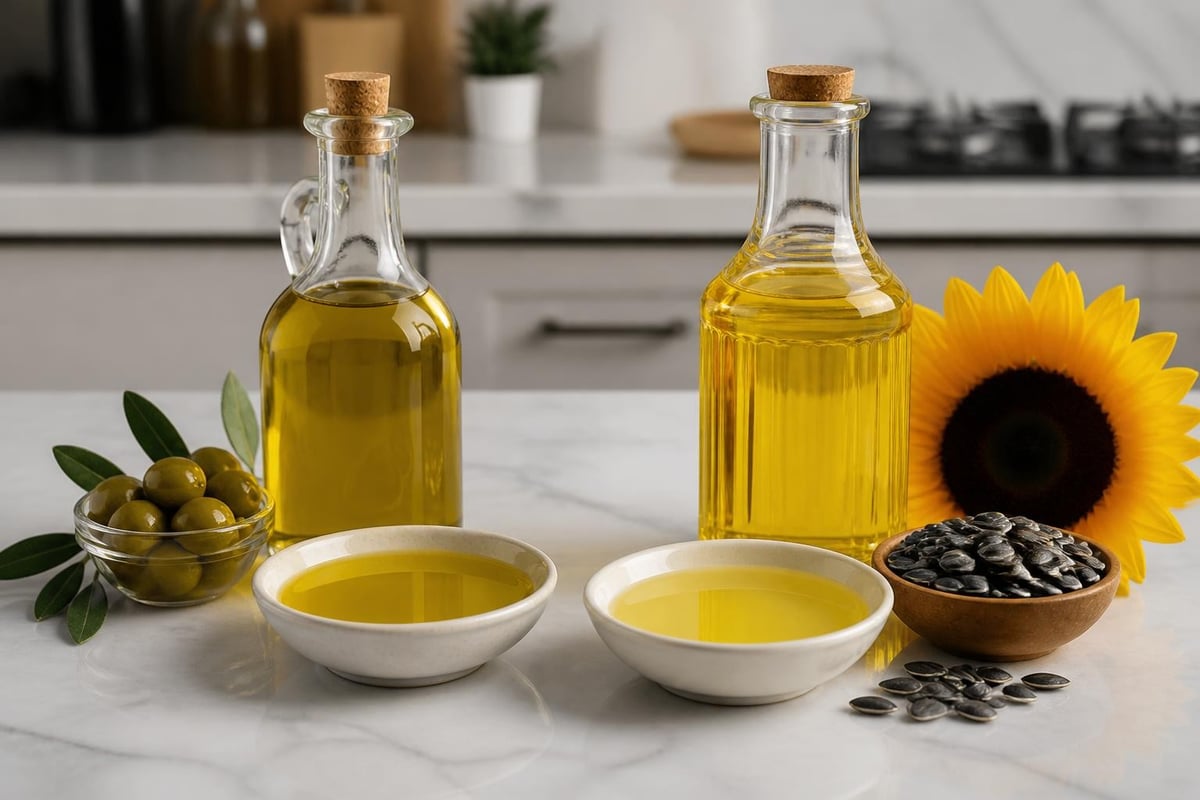
However, research from the Olive Wellness Institute indicates that olive oil provides superior protection against LDL oxidation compared to sunflower oil alone, particularly in individuals with cardiovascular concerns. This protective quality stems from olive oil's unique phenolic compounds.
Why Blend Olive and Sunflower Oils
Economic Considerations
The olive sunflower oil combination addresses practical business realities facing food manufacturers and restaurant operators. Olive oil typically commands premium pricing due to agricultural inputs and processing requirements, while sunflower oil offers cost-effective volume production. Blending creates a middle-ground product that:
- Reduces overall ingredient costs without completely sacrificing olive oil benefits
- Maintains competitive pricing for retail and food service markets
- Extends premium oil supplies during seasonal shortages
- Enables flexible formulations based on market conditions
For distributors serving diverse markets, olive sunflower oil blends provide pricing flexibility while maintaining quality standards expected by health-conscious consumers.
Culinary Performance Optimization
From a cooking perspective, blending these oils creates synergistic advantages. Pure olive oil, especially extra virgin grades, can impart strong flavors unsuitable for certain dishes. Conversely, while sunflower oil's neutrality works well universally, it lacks olive oil's distinctive character desired in Mediterranean and contemporary fusion cuisines.
| Performance Factor | Olive Oil | Sunflower Oil | Blended Product |
|---|---|---|---|
| Smoke Point | 190-210°C | 225-232°C | 200-225°C |
| Flavor Profile | Distinctive | Neutral | Balanced |
| Cost Efficiency | Lower | Higher | Moderate |
| Health Perception | Premium | Standard | Enhanced |
The resulting olive sunflower oil blend achieves a smoke point suitable for most cooking methods while preserving some olive oil character. This balance proves particularly valuable for restaurants wanting olive oil’s appeal without overwhelming delicate ingredients.
Nutritional Profile of Olive Sunflower Oil Blends
Fatty Acid Composition
The nutritional benefits of olive sunflower oil depend heavily on blend ratios. A typical 50-50 formulation combines sunflower oil's polyunsaturated fats with olive oil's monounsaturated content, creating a fatty acid profile distinct from either parent oil. According to comparative analyses from WebMD, both oils contribute vitamin E, though through different tocopherol forms.
Key nutritional components include:
- Oleic acid from olive oil supporting cardiovascular health
- Linoleic acid from sunflower oil providing essential omega-6 fatty acids
- Vitamin E content from both sources offering antioxidant protection
- Reduced saturated fat compared to tropical oils
Food manufacturers formulating processed products appreciate how olive sunflower oil blends can improve nutritional labels while maintaining functional cooking properties. The combination allows for health claims related to unsaturated fat content without the oxidative stability concerns sometimes associated with highly polyunsaturated oils.
Antioxidant Considerations
While research suggests that olive oil's polyphenols provide superior antioxidant protection, blending dilutes these compounds. However, the combination still offers advantages over refined sunflower oil alone. Processors must balance antioxidant content against cost and flavor objectives when determining optimal blend ratios.
High-oleic sunflower varieties have emerged as particularly suitable blending partners, as their monounsaturated fat content more closely mirrors olive oil's profile, creating more stable formulations with enhanced shelf life.
Manufacturing and Processing Considerations
Blending Methodologies
Creating consistent olive sunflower oil products requires precise quality control throughout the blending process. Manufacturers typically employ one of several approaches:
- Pre-refined blending where oils mix before final processing steps
- Post-refined blending combining finished oils in specific ratios
- Continuous inline blending for high-volume production environments
- Batch blending allowing flexibility for specialized formulations
Each methodology impacts final product characteristics, from flavor intensity to oxidative stability. For exporters, packaging considerations become crucial since olive sunflower oil blends may require different container materials than single-origin oils to preserve quality during international shipping.
Quality Control Parameters
Ensuring batch-to-batch consistency demands rigorous testing protocols. Critical quality metrics for olive sunflower oil include:
- Free fatty acid content indicating hydrolytic stability
- Peroxide value measuring oxidative state
- Color measurement ensuring visual consistency
- Fatty acid profile confirming blend accuracy
- Smoke point verification guaranteeing cooking performance
Importers sourcing these blended products should request comprehensive specification sheets documenting these parameters alongside country-of-origin certificates and food safety compliance documentation.
Commercial Applications and Market Segments
Food Manufacturing Uses
The versatility of olive sunflower oil makes it particularly attractive for food processors developing products ranging from salad dressings to baked goods. The blend's balanced flavor profile works well in applications where pure olive oil might dominate or pure sunflower oil lacks character. Specific manufacturing applications include:
- Mayonnaise and emulsified sauces benefiting from neutral base with olive notes
- Baked goods requiring stable fats without strong flavors
- Snack food production where cost efficiency meets health positioning
- Ready-meal preparation combining cooking stability with premium perception
Many manufacturers appreciate how olive sunflower oil enables "contains olive oil" labeling claims while maintaining production cost targets. This positioning proves valuable in competitive retail environments where consumers seek healthier options within budget constraints.
Restaurant and Food Service Applications
Professional kitchens increasingly adopt blended oils for operational efficiency. An olive sunflower oil combination allows restaurants to consolidate inventory, using one product across multiple cooking methods rather than maintaining separate stocks for different applications.
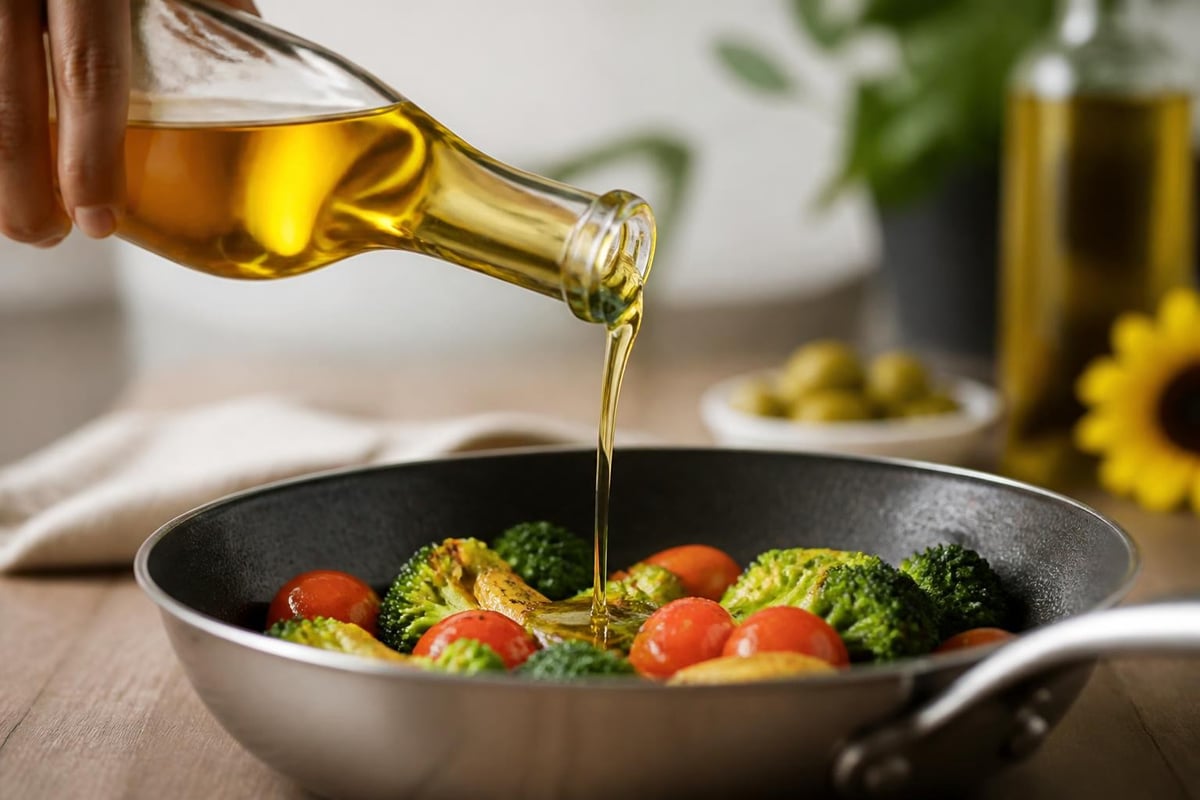
Chefs working with Asian-fusion or Mediterranean concepts find particular value in these blends, as they provide olive oil's association with healthy cooking while maintaining the high smoke point necessary for wok cooking and high-temperature preparations. The neutral-yet-characteristic flavor supports both background cooking applications and finishing touches.
Retail Consumer Market
For retail consumers, olive sunflower oil represents an accessible entry point into premium cooking oil categories. Price-conscious shoppers appreciate the cost savings compared to pure olive oil, while health-focused buyers value the nutritional benefits over conventional vegetable oil blends.
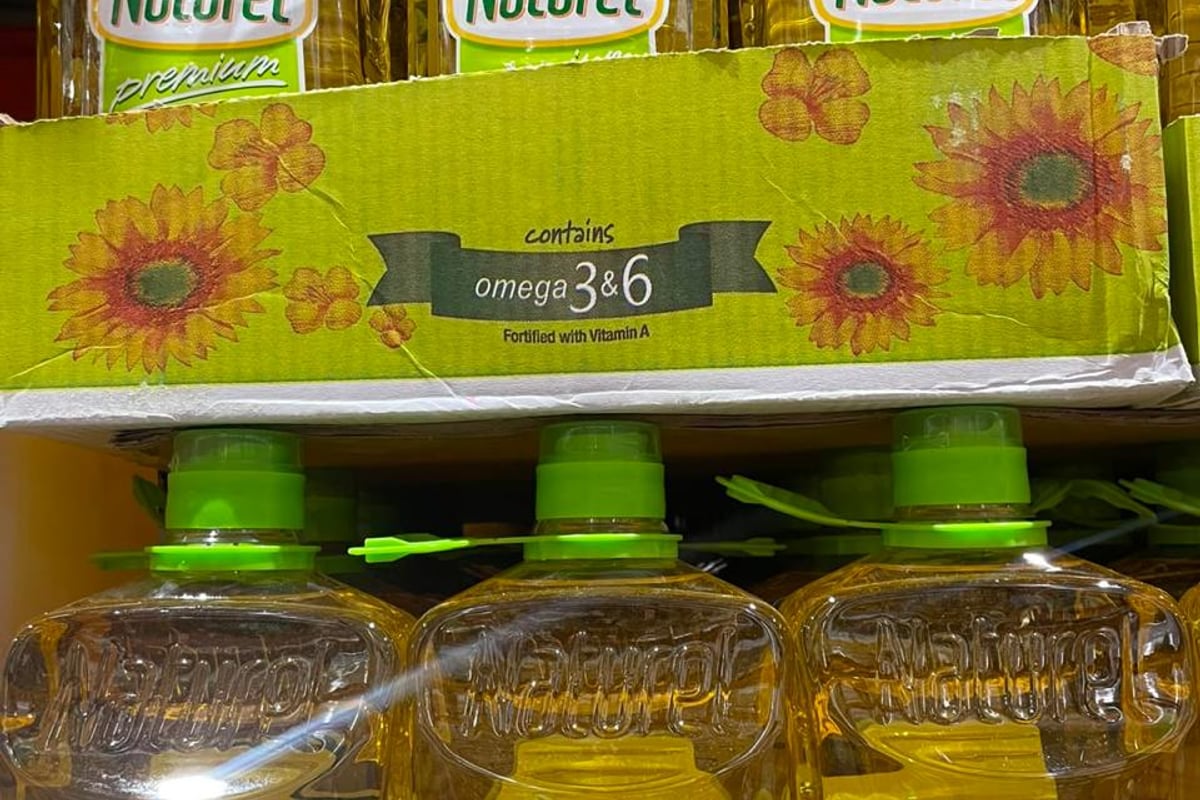
Retail packaging often emphasizes both component oils equally, highlighting the "best of both worlds" positioning. Successful products typically feature transparent labeling showing exact blend percentages, allowing consumers to make informed purchasing decisions based on their cooking priorities and budget parameters.
Comparing Olive Sunflower Oil to Alternatives
Versus Pure Olive Oil
The primary advantage of olive sunflower oil over pure olive oil centers on economics and cooking versatility. Comparative analyses from OliveOil.com demonstrate how pure olive oil excels in raw applications and low-temperature cooking but can become cost-prohibitive for high-volume use.
Pure extra virgin olive oil retains maximum antioxidant content and distinctive flavor, making it ideal for salad dressings, finishing oils, and Mediterranean recipes where its character enhances dishes. However, for deep frying or neutral-flavor requirements, the olive sunflower oil blend provides better economic value and cooking performance.
Versus Other Blended Oils
The market offers numerous blended oil options, from canola-olive combinations to multi-seed blends. Olive sunflower oil distinguishes itself through:
- Strong health positioning from both component oils' positive reputations
- Balanced flavor neither too distinctive nor completely neutral
- Competitive pricing compared to all-olive formulations
- Wide availability of both base oils from established supply chains
Importers should also consider regional preferences, as markets familiar with olive oil cuisine may respond more positively to olive sunflower oil blends than regions where sunflower oil dominates cooking traditions.
Storage and Shelf Life Management
Oxidative Stability Factors
The polyunsaturated fat content from sunflower oil makes olive sunflower oil blends somewhat more susceptible to oxidation than pure olive oil. Proper storage becomes essential for maintaining quality throughout the distribution chain. Critical factors include:
- Temperature control keeping oils below 20°C when possible
- Light protection using dark containers or opaque packaging
- Oxygen exclusion through nitrogen flushing or vacuum sealing
- Container material selection favoring glass or high-quality PET over reactive metals
For bulk shipments to distributors and food manufacturers, proper documentation of production dates and expected shelf life prevents quality issues. Most properly stored olive sunflower oil maintains optimal quality for 12-18 months, though specific durations depend on blend ratios and refining processes.
Best Practices for Commercial Users
Restaurants and food manufacturers purchasing olive sunflower oil in volume should implement rotation systems ensuring older stock depletes before fresher supplies. Additionally, decanting from large containers into smaller working volumes minimizes air exposure during daily operations.
Many operators overlook how heat from kitchen environments accelerates oil degradation. Storing olive sunflower oil away from cooking equipment and in climate-controlled areas significantly extends usable life, reducing waste and maintaining consistent cooking results.
Regulatory and Labeling Requirements
International Standards
Olive sunflower oil blends must comply with food safety regulations in destination markets, which vary considerably across regions. The European Union, United States, and Asian markets each maintain specific requirements for:
- Blend disclosure showing percentages of component oils
- Origin labeling identifying where oils were produced and blended
- Nutritional information calculated from actual blend composition
- Allergen declarations though vegetable oils rarely trigger concerns
- Quality certifications such as ISO, HACCP, or organic credentials
Exporters must ensure labeling accuracy, as misleading claims about olive content can result in regulatory action. Some markets restrict terms like "extra virgin" for blended products, even when one component meets extra virgin standards.
Marketing Claims and Transparency
Consumer trust depends on transparent communication about product composition. Successful olive sunflower oil brands typically feature prominent ratio disclosure (e.g., "70% Sunflower Oil, 30% Olive Oil") rather than ambiguous descriptions. This transparency builds credibility with both trade buyers and end consumers.
Industry experts caution against overstating health benefits, as exaggerated claims can backfire when consumers research product details. Focusing on factual advantages like balanced fatty acid profiles and cooking versatility proves more effective than unsubstantiated wellness promises.
Future Trends in Blended Oil Development
High-Oleic Formulations
The development of high-oleic sunflower varieties has significantly impacted blended oil possibilities. These specialized sunflowers produce oil with 80% or higher oleic acid content, closely matching olive oil's fatty acid profile while maintaining sunflower's agricultural advantages.
Olive sunflower oil blends utilizing high-oleic sunflower oil offer enhanced oxidative stability, extended shelf life, and nutritional profiles more similar to pure olive oil. Food manufacturers appreciate how these advanced formulations maintain cost advantages while delivering premium product characteristics.
Organic and Sustainable Certifications
Consumer demand for sustainably produced oils continues growing across all market segments. Olive sunflower oil producers increasingly pursue organic certifications, though maintaining organic status for both component oils throughout the supply chain presents challenges.
Similarly, sustainability certifications addressing environmental impact, fair labor practices, and agricultural methods attract premium buyers. For more information on responsible sourcing practices, food service operators can explore Thai Cooking Oils’ resources covering various aspects of edible oil production and supply chain management.
Specialized Culinary Blends
Beyond basic olive sunflower oil combinations, manufacturers experiment with customized ratios targeting specific cuisines or cooking methods. For instance, Asian-focused blends might emphasize higher sunflower content for wok cooking, while Mediterranean-oriented products feature more olive oil for authentic flavor profiles.
Spray oil formulations, flavored variants infused with herbs or citrus, and premium small-batch artisanal blends represent growth segments within the broader olive sunflower oil category. These specialized products command higher margins while serving niche market demands.
Sourcing Considerations for Importers and Distributors
Supplier Evaluation Criteria
When sourcing olive sunflower oil for import or distribution, thorough supplier vetting ensures consistent quality and reliable supply. Key evaluation criteria should include:
- Production capacity matching order volumes and growth projections
- Quality certifications demonstrating adherence to international standards
- Traceability systems documenting oil origins and processing steps
- Financial stability indicating long-term partnership viability
- Export experience particularly to target markets
Thailand has emerged as a significant hub for refined oil production, with established infrastructure supporting both component oil processing and blending operations. Suppliers offering complete transparency regarding sourcing, processing methods, and quality testing provide the foundation for successful long-term partnerships.
Logistics and Container Options
Bulk olive sunflower oil typically ships in flexitanks, ISO tanks, or drums depending on volume requirements and destination infrastructure. Each option presents distinct advantages regarding product protection, handling efficiency, and per-unit costs.
Smaller distributors may prefer drum shipments allowing mixed-container loads with other products, while large-volume importers benefit from flexitank economics. Understanding how different packaging affects product quality during extended ocean transport helps optimize both cost and quality outcomes.
Understanding olive sunflower oil's unique combination of health benefits, cooking versatility, and cost efficiency positions food manufacturers, importers, and distributors to meet evolving market demands effectively. Whether you're developing new product formulations, expanding restaurant menus, or seeking competitive supply solutions, Thai Cooking Oils delivers premium refined oils and expert guidance supporting your business objectives across global markets.
