
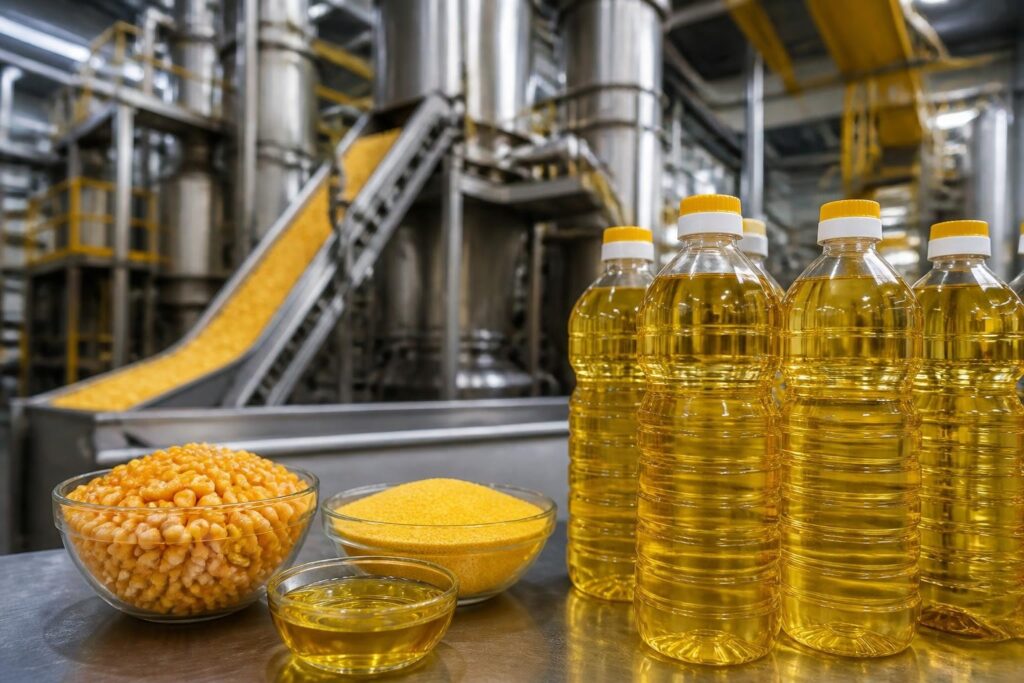
Maize oil, commonly known as corn oil in many markets, has established itself as a versatile and economically important edible oil in the global vegetable oil industry. Extracted from the germ of corn kernels, this golden-colored oil offers a balanced nutritional profile, neutral flavor, and exceptional cooking performance that appeals to food manufacturers, restaurants, and health-conscious consumers. As the demand for high-quality cooking oils continues to grow across international markets, understanding the production methods, health benefits, and commercial applications of maize oil becomes increasingly valuable for importers, distributors, and food service professionals.
Production Process and Industrial Extraction Methods
The journey from corn kernel to refined maize oil involves several sophisticated extraction and refining stages. The production process begins with corn milling operations, where corn kernels undergo wet or dry milling to separate the germ from other kernel components.
Corn Germ Separation and Oil Extraction
The corn germ, which contains approximately 85% of the kernel's total oil content, must be carefully isolated before extraction can proceed. Modern facilities employ mechanical pressing or solvent extraction methods to maximize oil yield from the separated germ material.
Mechanical pressing uses expeller presses to extract oil through physical pressure and friction, producing what industry professionals call "crude maize oil." This initial extraction typically recovers 70-80% of available oil, leaving residual oil in the press cake.
Solvent extraction follows mechanical pressing in most commercial operations, using food-grade hexane to dissolve remaining oil from the pressed germ material. This two-stage approach maximizes total oil recovery, often achieving yields exceeding 95%.
Refining Stages for Commercial Quality
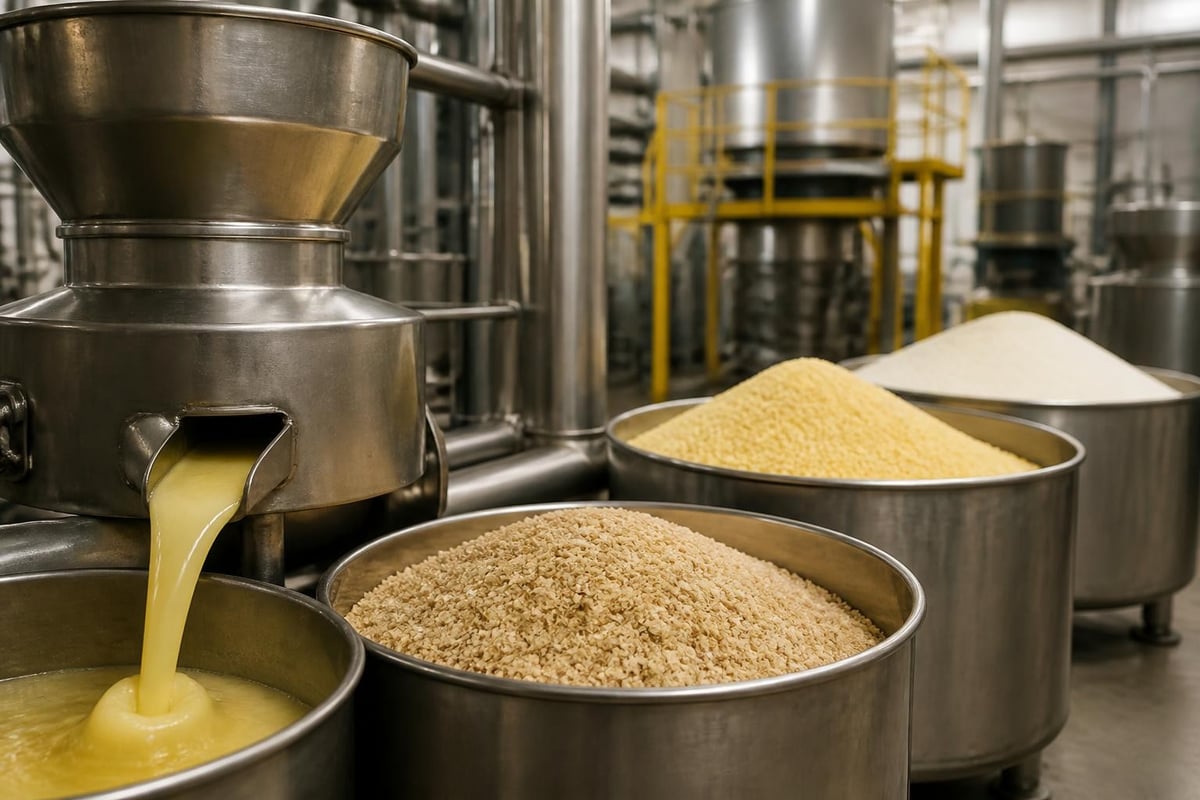
Raw maize oil extracted from corn germ requires extensive refining to meet food industry quality standards and consumer expectations. The refining process removes impurities, undesirable flavors, and compounds that could affect shelf stability.
The degumming stage removes phospholipids and other gum-forming substances using water or acid treatments. This critical first step prevents haze formation and improves oil clarity during subsequent processing.
Neutralization follows degumming, using alkaline solutions to remove free fatty acids that contribute to off-flavors and reduced oxidative stability. This process significantly lowers the free fatty acid content to commercially acceptable levels below 0.05%.
Bleaching employs activated clay or carbon to remove color pigments, trace metals, and oxidation products. The result is a light golden oil with improved appearance and stability characteristics.
Deodorization represents the final major refining stage, using steam distillation under high temperature and vacuum conditions to remove volatile compounds responsible for undesirable odors and flavors. This process produces the characteristic mild, neutral taste profile that makes maize oil suitable for diverse culinary applications.
Nutritional Composition and Health Properties
Maize oil delivers a distinctive nutritional profile that positions it favorably within the competitive vegetable oil marketplace. Understanding these nutritional characteristics helps food manufacturers, distributors, and importers communicate product benefits to their target markets.
Fatty Acid Profile and Essential Nutrients
The fatty acid composition of maize oil includes approximately 13% saturated fat, 28% monounsaturated fat, and 55% polyunsaturated fat. This balanced ratio provides functional benefits for various cooking methods while supporting cardiovascular health recommendations.
| Nutrient Component | Amount per 100g | Percentage of Total Fat |
|---|---|---|
| Saturated Fat | 13g | 13% |
| Monounsaturated Fat | 28g | 28% |
| Polyunsaturated Fat | 55g | 55% |
| Linoleic Acid (Omega-6) | 53g | 53% |
| Vitamin E | 14.3mg | High |
Linoleic acid, an essential omega-6 fatty acid, constitutes the predominant polyunsaturated fat in maize oil. The body cannot synthesize this fatty acid independently, making dietary sources critical for normal physiological function.
Vitamin E content in maize oil reaches significant levels, with approximately 14.3 milligrams per 100 grams of oil. This fat-soluble antioxidant protects cell membranes from oxidative damage and supports immune system function.
Phytosterol Content and Cholesterol Management
Maize oil naturally contains substantial quantities of phytosterols, plant-derived compounds structurally similar to cholesterol. These compounds compete with dietary cholesterol for absorption in the digestive tract, potentially reducing total cholesterol uptake.
Research comparing corn oil with other vegetable oils demonstrates measurable effects on blood lipid profiles. Clinical studies have documented reductions in LDL cholesterol levels among participants consuming maize oil as part of controlled dietary interventions.
A randomized controlled trial examining corn oil versus extra-virgin olive oil found that both oils produced favorable changes in plasma lipoprotein profiles for individuals with elevated cholesterol levels. The study revealed that maize oil consumption resulted in greater reductions in total and LDL cholesterol compared to baseline measurements.
Commercial Applications Across Food Industries
The versatility of maize oil extends across numerous food manufacturing and food service applications, driven by its functional properties and economic positioning within global vegetable oil markets.
High-Temperature Cooking and Frying Operations
The smoke point of refined maize oil typically ranges between 440°F and 450°F (227°C to 232°C), making it exceptionally well-suited for high-temperature cooking methods. This thermal stability allows the oil to maintain its molecular structure and nutritional properties during extended frying operations.
Food manufacturers producing fried snacks, prepared foods, and frozen products frequently specify maize oil for production lines. The oil's neutral flavor profile ensures it doesn't overpower product taste characteristics while delivering consistent frying performance across production batches.
Restaurant operations appreciate maize oil's extended fry life, which translates to reduced oil replacement frequency and lower operational costs. The oil's resistance to breakdown during repeated heating cycles maintains product quality and reduces waste disposal expenses.

Salad Dressings and Condiment Formulations
The light texture and mild flavor of maize oil make it an ideal base for salad dressings, mayonnaise, and other emulsified condiment products. Unlike strongly flavored oils, maize oil allows herbs, spices, and other flavorings to dominate the taste profile.
Food manufacturers formulating vinaigrettes, creamy dressings, and marinades benefit from maize oil's excellent emulsification properties. The oil blends smoothly with acidic ingredients and maintains stable emulsions throughout product shelf life.
Baking and Pastry Production
Professional bakers and industrial bakeries utilize maize oil in various applications where liquid fats provide superior results compared to solid shortenings. The oil creates tender crumb structures in cakes, muffins, and quick breads while extending product freshness.
- Moisture retention properties keep baked goods fresh longer
- Neutral flavor complements sweet and savory baking applications
- Liquid form simplifies mixing and equipment cleaning
- Consistent quality supports standardized recipe formulations
Many bakery operations have transitioned from hydrogenated fats to liquid oils like maize oil to eliminate trans fats from product formulations, responding to consumer health concerns and regulatory requirements.
Quality Standards and International Trade Specifications
Global trade in maize oil requires adherence to strict quality parameters that ensure product safety, purity, and performance characteristics. Importers and distributors must verify that suppliers meet internationally recognized standards before committing to purchase contracts.
Key Quality Parameters for Commercial Maize Oil
Professional buyers evaluate multiple quality indicators when assessing maize oil shipments. These specifications directly impact product performance in manufacturing and cooking applications.
Free fatty acid content serves as a primary quality indicator, with premium refined maize oil typically containing less than 0.05% free fatty acids. Higher levels suggest incomplete refining or degradation during storage.
Peroxide value measures primary oxidation products and indicates oil freshness. Quality maize oil maintains peroxide values below 2.0 meq O2/kg, ensuring extended shelf stability and preventing rancid off-flavors.
Color specifications for refined maize oil typically require Lovibond readings not exceeding 2.0 Red and 20 Yellow. This ensures the characteristic light golden appearance expected by commercial buyers.
Moisture and volatile matter content must remain below 0.1% to prevent microbial growth and maintain oxidative stability during storage and transportation.
| Quality Parameter | Premium Standard | Acceptable Range |
|---|---|---|
| Free Fatty Acids | ≤ 0.05% | 0.05-0.10% |
| Peroxide Value | ≤ 2.0 meq/kg | 2.0-5.0 meq/kg |
| Moisture Content | ≤ 0.05% | 0.05-0.10% |
| Iodine Value | 103-128 | 100-130 |
| Smoke Point | ≥ 440°F | 430-450°F |
Certification Requirements for International Markets
Buyers sourcing maize oil for distribution in specific geographic markets must ensure products carry appropriate certifications. Halal certification proves essential for Middle Eastern and Southeast Asian markets, while kosher certification opens opportunities in specific North American and European segments.
ISO 22000 food safety management certification demonstrates that production facilities maintain comprehensive hazard control systems. Many large-scale importers and retail chains now require this certification as a baseline supplier qualification.
Organic certification, though representing a smaller market segment, commands premium pricing and appeals to health-focused consumer demographics. Organic maize oil must be extracted from non-GMO corn grown without synthetic pesticides or fertilizers, following stringent processing guidelines that prohibit chemical solvents.
Storage, Handling, and Shelf Life Management
Proper storage and handling practices preserve maize oil quality throughout the distribution chain, protecting the significant investment that importers and distributors make in bulk shipments.
Optimal Storage Conditions for Bulk Quantities
Temperature control represents the single most important factor in maintaining maize oil quality during storage. Facilities should maintain ambient temperatures between 50°F and 70°F (10°C to 21°C), avoiding temperature fluctuations that accelerate oxidation.
Light exposure degrades oil quality by promoting photooxidation of unsaturated fatty acids. Storage facilities should minimize natural and artificial light exposure by using opaque containers or storing products in dark environments.
Oxygen contact must be minimized throughout the storage period. Bulk storage tanks should incorporate nitrogen blanketing systems that displace oxygen in headspace areas, significantly extending shelf life for large inventory quantities.
Professional distributors often work with suppliers who understand these critical storage requirements. For buyers seeking reliable vegetable oil sources, exploring options from established suppliers like those found through cooking oil wholesale networks ensures consistent quality maintenance throughout the supply chain.
Shelf Life Expectations and Quality Monitoring
Properly stored refined maize oil maintains optimal quality for 12-18 months from production date under ideal conditions. Quality degradation accelerates when storage conditions deviate from recommended parameters, particularly in high-temperature or high-humidity environments.
Distributors should implement regular quality testing protocols that monitor key deterioration indicators:
- Monthly peroxide value testing tracks primary oxidation progression
- Quarterly sensory evaluation identifies emerging off-flavors before they become objectionable
- Semi-annual free fatty acid analysis detects hydrolytic rancidity development
- Annual comprehensive analysis documents full specification compliance
Comparing Maize Oil with Alternative Cooking Oils
Understanding how maize oil compares with other popular cooking oils helps distributors, food manufacturers, and purchasing managers make informed sourcing decisions based on specific application requirements and budget constraints.
Performance Characteristics Versus Other Vegetable Oils
Maize oil occupies a middle position in the cooking oil marketplace, offering balanced performance characteristics at competitive price points. Detailed analysis of various vegetable oils reveals distinct advantages and limitations for each oil type.
Versus soybean oil: Maize oil provides superior high-temperature stability and a more favorable omega-6 to omega-3 ratio. Soybean oil costs less but requires more frequent replacement in frying applications. Buyers interested in soybean alternatives can review wholesale soybean oil specifications from established suppliers.
Versus canola oil: Canola delivers lower saturated fat content and better omega fatty acid balance, positioning it favorably for health-conscious markets. Maize oil counters with higher vitamin E content and superior frying performance. The health benefits of canola oil make it particularly attractive for specific market segments.
Versus sunflower oil: Both oils offer excellent high-temperature performance and neutral flavor profiles. Sunflower oil contains slightly higher vitamin E levels, while maize oil provides better oxidative stability in certain applications.
Cost Considerations and Market Positioning
Maize oil pricing typically falls between economical options like soybean oil and premium choices like olive oil. Global corn production volumes and processing infrastructure ensure relatively stable supply chains and predictable pricing patterns.
Food manufacturers evaluating oil options must consider total cost of ownership rather than simply per-unit purchase prices. Factors influencing true product cost include:
- Frying oil replacement frequency and total throughput capacity
- Waste disposal costs associated with spent frying oil
- Consumer perception and market positioning implications
- Regulatory compliance and labeling requirements for specific markets
Sustainability and Agricultural Considerations
The environmental footprint of maize oil production encompasses agricultural practices, processing energy consumption, and waste management throughout the supply chain. Modern buyers increasingly factor sustainability metrics into purchasing decisions, responding to consumer preferences and corporate responsibility commitments.
Corn Cultivation and Resource Utilization
Corn represents one of the world's most efficiently produced crops, benefiting from decades of agricultural research and breeding programs. Genetic research into maize oil traits continues advancing oil content and quality characteristics through conventional breeding and molecular marker selection.
Water consumption for corn cultivation varies significantly based on climate conditions and irrigation practices. Modern precision agriculture techniques optimize water application, reducing waste while maintaining yield potential.
Nitrogen fertilizer requirements for corn production raise environmental concerns regarding water quality and greenhouse gas emissions. Sustainable farming practices emphasize nutrient management planning that matches application rates to crop uptake capacity, minimizing environmental impact.
Processing Efficiency and Byproduct Utilization
Modern corn oil processing facilities achieve remarkable efficiency by maximizing value extraction from every corn kernel. The corn germ remaining after oil extraction provides valuable livestock feed ingredients high in protein and fiber.
Corn gluten feed and corn gluten meal, both byproducts of the wet milling process, serve agricultural markets as protein supplements for cattle, poultry, and swine operations. This comprehensive utilization reduces waste and improves the overall sustainability profile of maize oil production.
Energy recovery systems in modern facilities capture waste heat from deodorization and other high-temperature processes, recycling thermal energy to reduce overall facility energy consumption. These improvements lower carbon footprints while reducing production costs.

Market Trends and Future Outlook for 2026
The global maize oil market continues evolving in response to changing consumer preferences, regulatory developments, and technological innovations affecting production and distribution systems.
Consumer Health Awareness and Product Positioning
Growing consumer awareness of nutrition and health implications drives increased scrutiny of cooking oil choices. Studies examining corn oil’s cardiovascular effects provide scientific evidence supporting health positioning strategies for food manufacturers and retailers.
Marketing messages emphasizing vitamin E content, cholesterol management properties, and low saturated fat levels resonate with health-conscious consumer segments. Food service operators and retail brands increasingly highlight cooking oil specifications on menus and product labels, responding to consumer demand for transparency.
Regional Demand Patterns and Growth Markets
North American and Asian markets represent the largest consumption regions for maize oil, driven by established corn production infrastructure and cultural acceptance of neutral-flavored cooking oils. Emerging markets in Africa and South America show accelerating growth as urbanization increases processed food consumption and restaurant dining frequency.
Import markets with growing middle-class populations present significant opportunities for distributors and exporters. Understanding regional quality preferences, packaging requirements, and certification standards becomes critical for success in these developing markets. Suppliers serving diverse geographic regions, such as cooking oil exporters to Mexico and suppliers serving USA markets, must adapt offerings to local market requirements.
Technological Innovations in Production and Processing
Advances in corn breeding continue improving oil yield per hectare while maintaining or enhancing nutritional properties. High-oil corn varieties now achieve germ oil content exceeding traditional varieties by 20-30%, improving production economics and reducing resource consumption per liter of finished oil.
Processing technology improvements focus on reducing energy consumption, minimizing chemical inputs, and improving oil quality consistency. Enzyme-assisted degumming processes reduce chemical usage while improving phospholipid removal efficiency. Membrane filtration technologies offer alternatives to traditional clay bleaching, reducing waste generation and processing costs.
Maize oil delivers exceptional versatility, competitive pricing, and proven performance across diverse food manufacturing and cooking applications, making it a strategic choice for businesses throughout the supply chain. Whether you're a distributor seeking reliable supply partners, a food manufacturer specifying ingredients for new product development, or a restaurant operator optimizing kitchen operations, understanding maize oil's production, properties, and applications empowers better decision-making. Thai Cooking Oils provides comprehensive vegetable oil solutions backed by rigorous quality standards, international certifications, and responsive customer service to support your business objectives.
