

Selecting the right cooking oils can significantly impact both the flavor profile of your dishes and the nutritional value of your meals. With countless options lining grocery store shelves and evolving scientific research reshaping our understanding of dietary fats, navigating the world of edible oils requires knowledge of composition, stability, and application. Whether you're a food manufacturer sourcing bulk ingredients, a restaurant chef optimizing your menu, or a distributor evaluating product lines, understanding the characteristics of different cooking oils enables informed decisions that balance health considerations, culinary performance, and economic factors.
Understanding Cooking Oil Composition
The fundamental structure of cooking oils determines their behavior during preparation and their impact on health. All edible oils contain a mixture of saturated, monounsaturated, and polyunsaturated fatty acids in varying proportions. This fatty acid profile influences everything from shelf stability to oxidation resistance and nutritional attributes.
Saturated Versus Unsaturated Fats
Saturated fats remain solid at room temperature and exhibit greater stability when exposed to heat and light. Palm oil and coconut oil contain higher levels of saturated fatty acids, making them less prone to oxidation but requiring consideration regarding cardiovascular health implications. Understanding different types of fats helps clarify why health organizations recommend limiting saturated fat intake while emphasizing unsaturated alternatives.
Monounsaturated and polyunsaturated fats typically appear as liquids at room temperature. These unsaturated fats offer cardiovascular benefits when they replace saturated fats in the diet. Oils rich in monounsaturated fatty acids, such as olive oil and canola oil, provide favorable omega fatty acid ratios that support heart health.
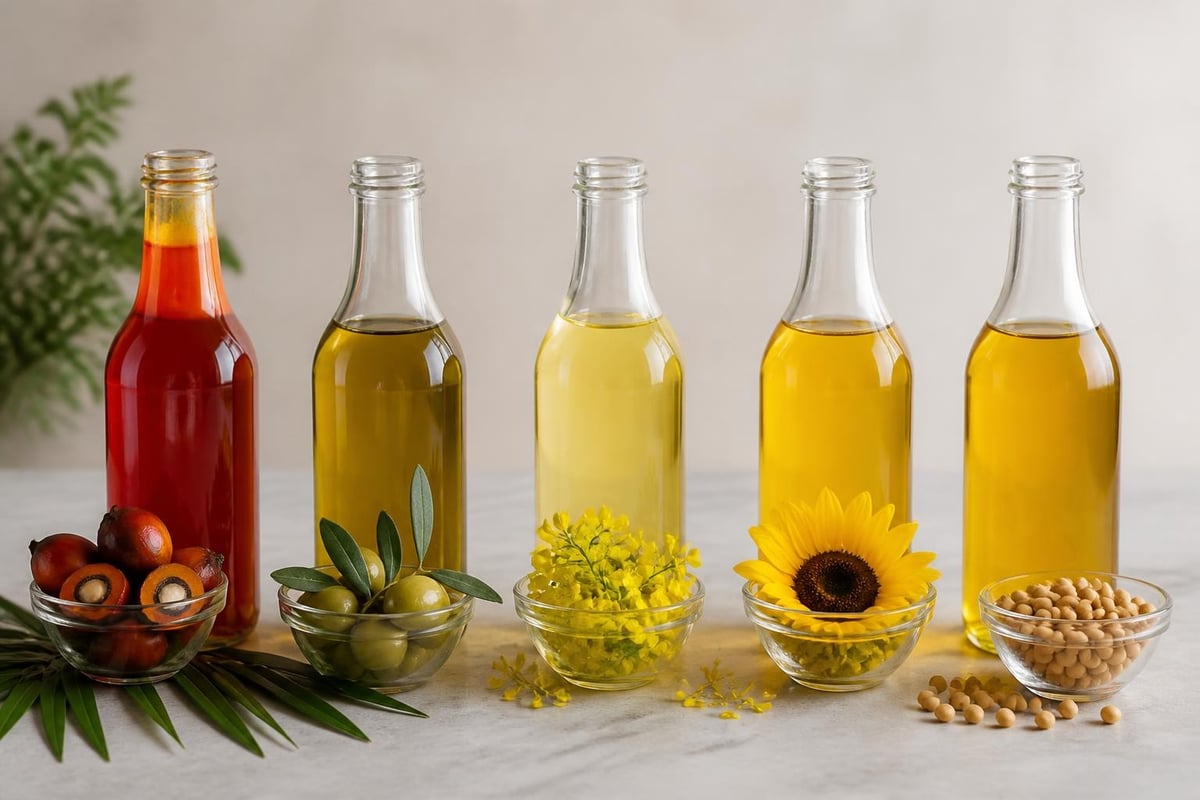
Common Types of Cooking Oils and Their Applications
Different cooking oils serve specific purposes based on their unique characteristics. Matching the oil to the cooking method ensures optimal results while preserving nutritional benefits.
High Heat Cooking Options
Refined sunflower oil stands out as a versatile choice for high-temperature applications. With a smoke point reaching 450°F (232°C), this neutral-tasting oil works exceptionally well for deep frying, sautéing, and roasting. The refining process removes impurities while retaining vitamin E content, making it a practical solution for commercial kitchens and food processing operations.
Canola oil offers another excellent high-heat option with a smoke point of approximately 400°F (204°C). Its low saturated fat content-typically below 7%-combined with beneficial omega-3 fatty acids makes it particularly attractive for health-conscious applications. Food manufacturers frequently specify canola oil for products targeting wellness-oriented consumers.
Soybean oil dominates industrial food production due to its neutral flavor, accessibility, and favorable economics. The oil performs reliably across baking, frying, and salad dressing applications. Rich in polyunsaturated fatty acids and vitamin E, soybean oil delivers nutritional benefits alongside functional performance.
| Oil Type | Smoke Point | Primary Fatty Acid | Best Uses |
|---|---|---|---|
| Refined Sunflower | 450°F (232°C) | Polyunsaturated | Frying, baking, sautéing |
| Canola | 400°F (204°C) | Monounsaturated | All-purpose cooking |
| Soybean | 450°F (232°C) | Polyunsaturated | Industrial food production |
| Palm | 450°F (232°C) | Saturated | Processed foods, frying |
| Rice Bran | 450°F (232°C) | Monounsaturated | Asian cuisine, frying |
Specialty and Premium Oils
Extra virgin olive oil occupies a unique position in the market, valued for its distinctive flavor compounds and polyphenol content. While unsuitable for extremely high heat due to its lower smoke point of 375°F (190°C), it excels in dressings, finishing dishes, and moderate-heat sautéing. Recent research on oil health myths reveals that many concerns about olive oil oxidation have been overstated when proper storage and usage guidelines are followed.
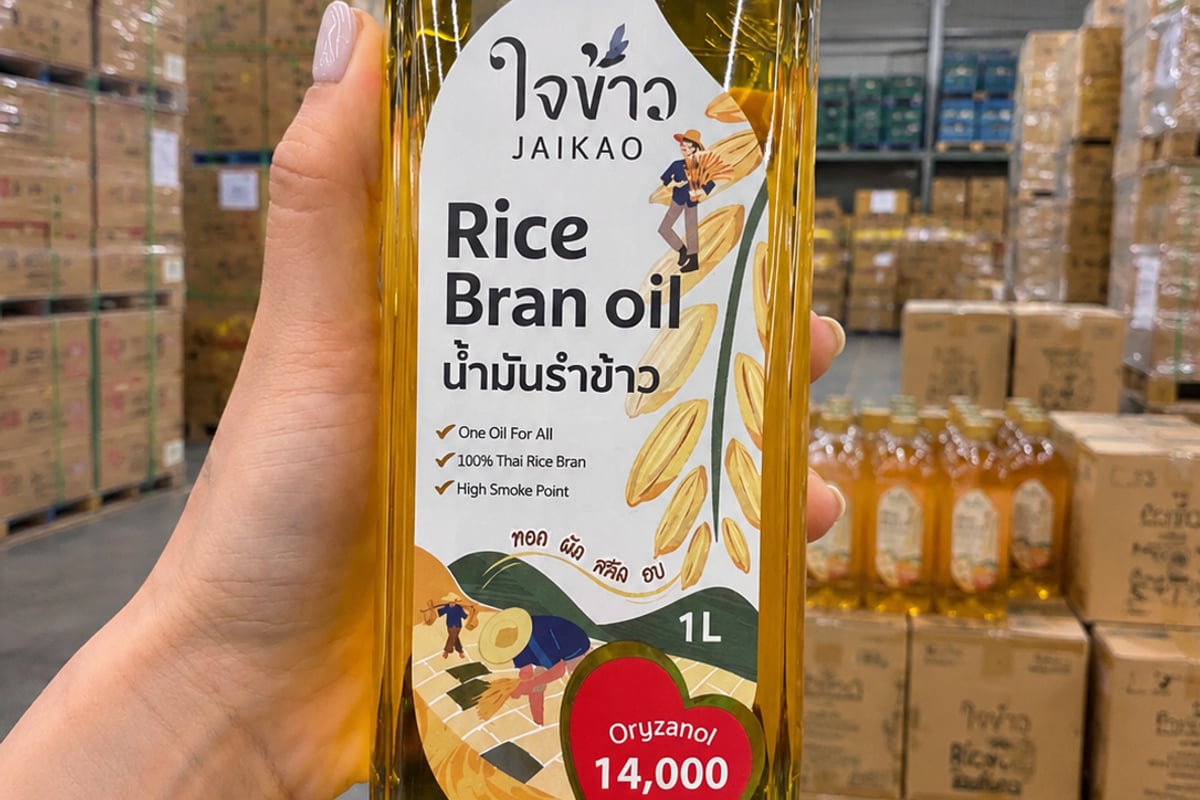
Rice bran oil represents an emerging category gaining recognition for exceptional nutritional properties. This oil contains gamma-oryzanol, a compound associated with cholesterol management, alongside a balanced fatty acid profile. The high smoke point makes rice bran oil particularly suitable for Asian cuisine preparation and health-focused product development.
Coconut oil has experienced significant market growth despite its high saturated fat content. The medium-chain triglycerides present in coconut oil metabolize differently than long-chain fatty acids, contributing to its popularity in specialty dietary applications. Understanding these nuances helps distributors and retailers position products appropriately.
Smoke Point and Cooking Method Selection
The smoke point represents the temperature at which an oil begins to break down and produce visible smoke. Beyond this threshold, oils develop off-flavors and release potentially harmful compounds including free radicals and acrolein.
Matching Oil to Temperature
Deep frying requires oils with smoke points above 400°F (204°C) to maintain stability during extended high-heat exposure. Refined cooking oils generally offer higher smoke points than their unrefined counterparts because refining removes particles and free fatty acids that lower thermal tolerance.
Pan frying and sautéing operate at moderate temperatures between 250°F and 375°F (120°C to 190°C), providing flexibility in oil selection. Most refined vegetable oils perform adequately within this range, allowing chefs to prioritize flavor preferences and nutritional profiles.
Baking applications involve gentler heat that rarely exceeds 350°F (175°C). Nearly all cooking oils function effectively for baking, making cost, flavor neutrality, and functional properties like moisture retention the primary selection criteria.

Health Considerations and Nutritional Profiles
The health implications of cooking oils extend beyond their fatty acid composition to include vitamin content, oxidative stability, and processing methods. Dietary fat research continues to evolve, with current evidence supporting the replacement of saturated fats with unsaturated alternatives while maintaining overall fat intake at moderate levels.
Essential Fatty Acids and Omega Ratios
Omega-6 and omega-3 fatty acids serve essential functions in human physiology, yet Western diets typically provide excessive omega-6 relative to omega-3. Soybean oil contains both types, though the ratio skews heavily toward omega-6. Canola oil offers a more balanced profile with significant omega-3 content, making it preferable for applications where fatty acid balance matters.
Rice bran oil provides a favorable omega-6 to omega-3 ratio alongside unique phytonutrients. The natural presence of tocotrienols and gamma-oryzanol contributes antioxidant properties that support both product stability and consumer health. For businesses serving the health and wellness sector, our wholesale rice bran oil delivers exceptional nutritional properties with superior shelf stability and neutral taste characteristics that meet international standards.
Oxidative Stability and Shelf Life
Polyunsaturated fats oxidize more readily than monounsaturated or saturated fats, particularly when exposed to heat, light, and oxygen. This chemical instability affects both nutritional quality and sensory properties. Research on heated oil stability demonstrates that proper handling and storage protocols significantly extend usable life while preserving nutritional value.
Food manufacturers must consider oxidative stability when formulating products with extended shelf life requirements. Palm oil's high saturated fat content provides exceptional stability, explaining its prevalence in processed foods, baked goods, and snack applications despite nutritional trade-offs.
Antioxidant compounds naturally present in oils or added during processing help combat oxidation. Vitamin E functions as a powerful antioxidant in sunflower oil and soybean oil, contributing to their market success. Refining processes must balance purity against retention of these beneficial compounds.
Refining Processes and Quality Standards
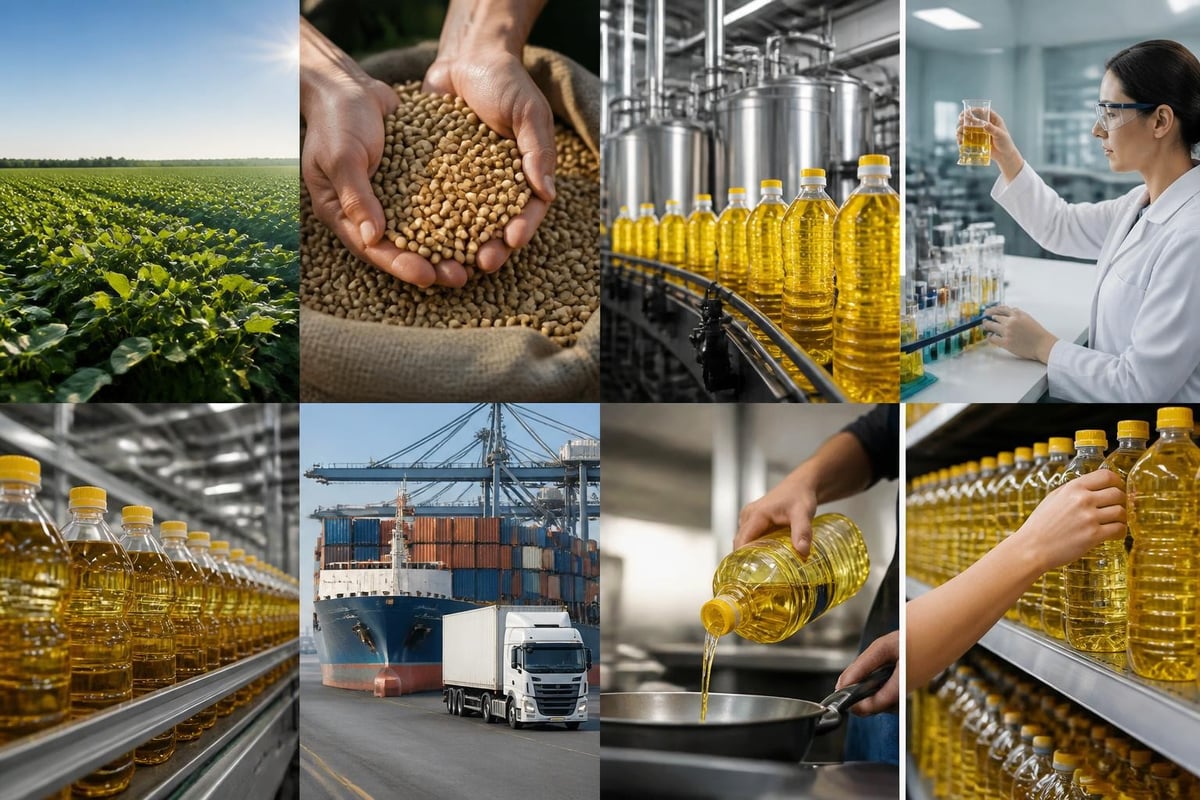
The journey from raw material to finished product involves multiple processing stages that determine final quality, stability, and regulatory compliance. Understanding these processes enables buyers to evaluate supplier capabilities and product specifications effectively.
Degumming and Neutralization
Initial processing removes phospholipids and free fatty acids that contribute to cloudiness and accelerated degradation. Degumming employs water or acid treatment to separate gums, while neutralization uses alkaline solutions to remove free fatty acids. These steps establish the foundation for subsequent refining stages.
Bleaching and Deodorization
Bleaching removes color pigments and residual impurities through adsorption with activated clays or carbon. This stage significantly impacts final oil appearance, meeting consumer expectations for light-colored, clear products. Deodorization employs high-temperature steam distillation under vacuum to eliminate volatile compounds responsible for off-flavors and odors.
The deodorization process requires precise control to avoid excessive heat exposure that could generate trans fats or degrade beneficial nutrients. Quality suppliers maintain strict protocols ensuring that finished oils meet international specifications for peroxide value, free fatty acid content, and sensory attributes. You can explore our complete product range to understand how different refining approaches serve varied market needs.
Commercial Applications and Industry Trends
Cooking oils serve diverse functions across foodservice, retail, and industrial manufacturing sectors. Each market segment prioritizes different attributes based on operational requirements and consumer expectations.
Food Manufacturing Requirements
Industrial users require consistent viscosity, reliable smoke points, and predictable behavior during processing. Functionality often outweighs premium positioning, making refined soybean oil and palm oil dominant choices for large-scale production. Neutral flavor profiles prevent interference with product taste while extended shelf stability reduces waste and supports distribution logistics.
Clean label trends are reshaping ingredient specifications, with consumers increasingly scrutinizing additives and processing methods. This shift drives demand for oils with minimal intervention, transparent sourcing, and recognizable names. Sunflower oil and canola oil benefit from positive consumer perception, supporting their use in products marketed toward health-conscious demographics.
Key manufacturing considerations include:
- Batch-to-batch consistency for quality control
- Compliance with food safety certifications
- Supply chain reliability and scalability
- Technical support from suppliers
- Competitive pricing structures
Restaurant and Foodservice Priorities
Commercial kitchens evaluate cooking oils based on performance under sustained high-heat conditions, operational costs, and menu compatibility. Deep-frying operations particularly require oils that resist breakdown, minimize flavor transfer between batches, and maintain quality across extended service periods.
Specialty restaurants may prioritize authentic flavor profiles, selecting oils that complement regional cuisines. Asian establishments frequently specify rice bran oil for its clean taste and cultural associations, while Mediterranean-focused concepts emphasize olive oil despite cost premiums. Understanding different fats in nutrition helps foodservice operators educate staff and customers about menu choices.
Sustainability and Sourcing Considerations
Environmental impact and social responsibility increasingly influence purchasing decisions across all market segments. Palm oil production, in particular, faces scrutiny regarding deforestation and habitat destruction, driving demand for certified sustainable alternatives.
Certification Programs and Traceability
Organizations like the Roundtable on Sustainable Palm Oil (RSPO) establish standards for responsible production. Buyers seeking sustainable options should verify supplier certifications and traceability systems that document oil origin and processing chain. These credentials support corporate sustainability goals while addressing consumer concerns.
Sunflower and canola cultivation generally present fewer environmental controversies, though agricultural practices still impact biodiversity, water usage, and chemical inputs. Integrated pest management, crop rotation, and efficient irrigation represent important sustainability factors regardless of oil type.
Regional Production Advantages
Thailand's position as a major vegetable oil producer offers unique advantages in quality control, processing expertise, and export logistics. Proximity to growing regions ensures freshness while established infrastructure supports efficient refining and distribution. Businesses partnering with Thai suppliers benefit from competitive pricing, technical knowledge, and reliable supply chains serving global markets. Additional information about specific products can be found through our comprehensive sitemap.
Storage and Handling Best Practices
Proper storage protocols preserve oil quality from production through end use. Exposure to heat, light, and oxygen accelerates degradation, compromising both safety and sensory attributes.
Optimal Storage Conditions
Temperature control represents the most critical factor in maintaining oil stability. Cool, dark environments slow oxidation reactions and extend shelf life significantly. Industrial facilities should maintain storage areas below 68°F (20°C) when possible, while avoiding temperature fluctuations that promote condensation and contamination.
Light exposure initiates photoxidation, particularly damaging to polyunsaturated fats. Dark glass bottles, opaque plastic containers, or metal packaging protect retail products from light degradation. Bulk storage tanks should be located away from windows and artificial lighting sources.
Oxygen contact drives oxidative rancidity, the primary cause of off-flavors and nutritional deterioration. Minimizing headspace in containers, using nitrogen flushing for sensitive products, and maintaining tight seals all reduce oxygen exposure. Once opened, containers should be resealed promptly and used within recommended timeframes.
Quality Monitoring and Rotation
Regular testing for peroxide value, free fatty acid content, and sensory characteristics helps identify degradation before it impacts product quality. Establishing first-in, first-out inventory rotation ensures that older stock moves through the supply chain before newer arrivals.
Commercial users should track oil performance during actual cooking applications, monitoring for increased smoke, foam formation, or flavor changes that signal degradation. Establishing replacement schedules based on usage patterns and oil type prevents quality issues while optimizing cost efficiency.
Future Developments and Market Outlook
Innovation in oil production, processing, and application continues to reshape the market landscape. Emerging technologies address health concerns, sustainability challenges, and evolving consumer preferences.
High Oleic Varieties
Plant breeding programs have developed sunflower, soybean, and canola varieties with modified fatty acid profiles featuring increased monounsaturated content. These high oleic oils offer enhanced oxidative stability without hydrogenation, eliminating trans fat concerns while extending functional performance. Food manufacturers increasingly specify these variants for premium products and clean label formulations.
Blended Oil Products
Strategic blending combines the advantages of different oils while mitigating individual limitations. A sunflower-palm blend might balance nutritional benefits with thermal stability and cost considerations. Custom formulations allow manufacturers to optimize for specific applications, creating proprietary solutions that differentiate finished products.
Advanced refining technologies reduce processing severity while maintaining quality standards, preserving more natural antioxidants and nutrients. Enzymatic degumming, membrane filtration, and other innovations support cleaner labels and improved nutritional profiles. These developments align with consumer demand for minimally processed ingredients without sacrificing functionality or safety.
Selecting appropriate cooking oils requires balancing multiple factors including smoke point, fatty acid composition, flavor profile, cost, and intended application. Whether you're sourcing ingredients for food manufacturing, stocking restaurant kitchens, or distributing to retail markets, understanding these variables enables optimal decision-making that serves both operational needs and end-user expectations. Thai Cooking Oils delivers premium refined sunflower oil, canola oil, soybean oil, palm oil, rice bran oil, and other high-quality edible oils to importers, distributors, food manufacturers, restaurants, and retailers worldwide. Contact us today to discuss how our expertise in vegetable oil production and global supply can support your business objectives.
