
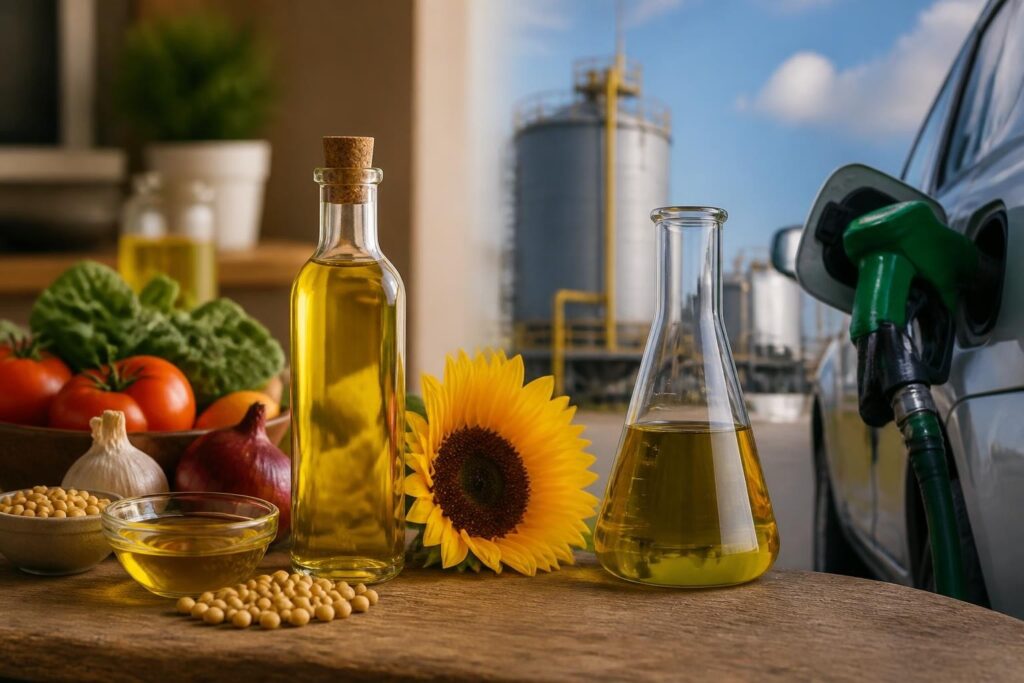
The intersection of culinary oils and alternative energy has captured growing attention across industries, driven by sustainability demands and energy independence goals. The concept of cooking oil as fuel represents more than a curious experiment-it reflects a legitimate scientific application with historical roots and modern industrial potential. As global markets seek renewable alternatives to fossil fuels, understanding how vegetable oils function in combustion engines, their chemical properties, and practical applications becomes essential knowledge for oil suppliers, distributors, and manufacturers navigating this evolving landscape.
The Chemical Foundation of Cooking Oil as Fuel
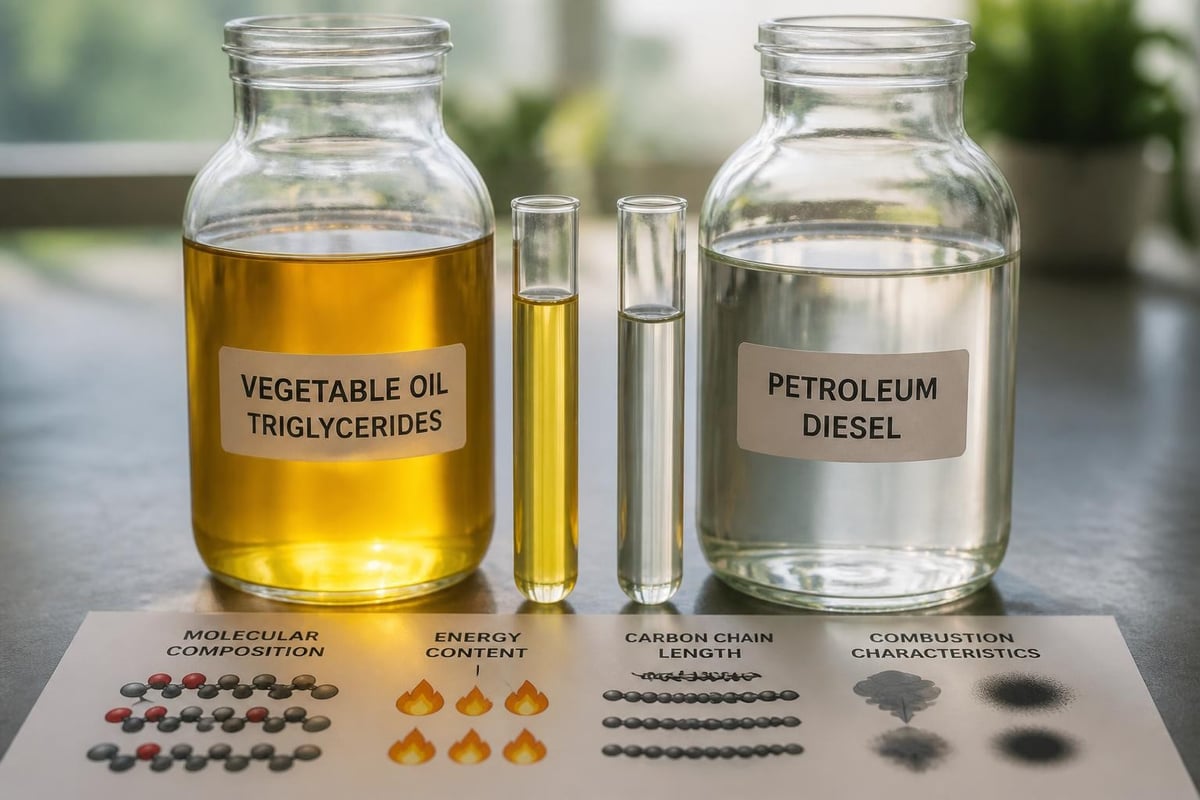
Vegetable oils share fundamental chemical characteristics with petroleum-based diesel fuel, making the transition from kitchen to combustion engine scientifically plausible. Both substances consist primarily of hydrocarbon chains that release energy through combustion. The molecular structure of triglycerides-the primary components of cooking oils-contains sufficient energy density to power diesel engines under appropriate conditions.
Understanding Viscosity and Combustion Properties
The primary challenge when using cooking oil as fuel centers on viscosity differences. Vegetable oils typically exhibit 10 to 20 times higher viscosity than conventional diesel fuel at standard temperatures. This increased thickness affects fuel atomization in injection systems, potentially leading to incomplete combustion and carbon deposits. Research on viscosity measurements demonstrates how temperature dramatically influences oil flow characteristics, a critical factor in fuel applications.
Key viscosity considerations include:
- Temperature-dependent flow rates
- Injection system compatibility
- Atomization efficiency in combustion chambers
- Cold-start performance limitations
- Long-term engine wear patterns
The ignition temperature of vegetable oils ranges between 350°C and 400°C, compared to diesel's 200°C to 250°C range. This higher ignition threshold requires engine modifications or fuel preprocessing to achieve reliable combustion. Analysis of cooking oil in diesel engines reveals that while combustion is achievable, the chemical differences demand careful consideration of engine design and operational parameters.
Historical Context and Modern Applications
The use of cooking oil as fuel dates back to diesel engine pioneer Rudolf Diesel, who demonstrated his compression-ignition engine using peanut oil at the 1900 World's Fair in Paris. This historical precedent validates the technical feasibility while highlighting how petroleum's lower cost and superior cold-weather performance led to its dominance throughout the twentieth century.
Current Industrial Implementations
Modern applications of cooking oil as fuel span multiple sectors, each with distinct requirements and processing methods. Transportation fleets, agricultural operations, and stationary power generation represent the primary commercial users of vegetable oil-based fuels.
| Application Sector | Fuel Type | Typical Processing | Common Challenges |
|---|---|---|---|
| Transportation | Biodiesel (B100-B20) | Transesterification | Cold weather, storage stability |
| Agriculture | Straight vegetable oil | Filtration, heating | Engine modifications required |
| Power Generation | Refined vegetable oil | Degumming, filtering | Fuel consistency, cost |
| Marine | Biodiesel blends | Chemical conversion | Regulatory compliance |
Experiments in Britain demonstrated that straight vegetable oil could power vehicles after minimal processing, though performance varied significantly with temperature and engine design. These trials provided valuable data on the practical limitations and opportunities within real-world operating conditions.
Processing Methods for Fuel Applications
Converting cooking oil to viable engine fuel requires specific processing steps that address viscosity, stability, and combustion efficiency. The two primary approaches involve transesterification to produce biodiesel or direct use of straight vegetable oil with appropriate engine modifications.
Transesterification Process
Transesterification chemically converts triglycerides into fatty acid methyl esters (biodiesel) and glycerol through reaction with methanol and a catalyst. This process dramatically reduces viscosity, bringing fuel properties closer to conventional diesel specifications.
Process stages include:
- Pre-treatment to remove water and contaminants
- Methanol and catalyst mixing with heated oil
- Chemical reaction under controlled temperature
- Separation of biodiesel from glycerol byproduct
- Washing and purification of final fuel product
- Quality testing for ASTM D6751 compliance
The reliability of biofuel production facilities utilizing waste cooking oil depends heavily on consistent feedstock quality and proper process control. Production facilities must maintain precise temperature, pressure, and catalyst ratios to ensure fuel quality meets regulatory standards.
Straight Vegetable Oil Systems
Using cooking oil as fuel without chemical conversion requires engine modifications to accommodate higher viscosity. Two-tank systems that preheat vegetable oil before injection represent the most common approach for straight oil applications.
Thai Cooking Oils produces high-quality refined vegetable oils that meet stringent purity standards, and while our canola oil excels in culinary applications with its low saturated fat content and high smoke point of 400°F, understanding these alternative fuel applications helps our clients and partners recognize the broader industrial potential of refined vegetable oils.
Environmental and Economic Considerations
The environmental profile of cooking oil as fuel presents both advantages and complexities compared to petroleum diesel. Vegetable oil-based fuels offer renewable sourcing, reduced particulate emissions, and closed carbon cycles when considering plant growth absorption. However, comprehensive lifecycle analysis must account for agricultural inputs, processing energy, and land use implications.
Emission Profiles and Air Quality
Combustion of vegetable oil fuels produces measurably different emissions than petroleum diesel. Carbon monoxide and particulate matter typically decrease, while nitrogen oxide levels may increase depending on engine tuning and operating conditions.
| Emission Type | Petroleum Diesel | B100 Biodiesel | Straight Vegetable Oil |
|---|---|---|---|
| Carbon Monoxide | Baseline | -48% to -50% | -40% to -45% |
| Particulate Matter | Baseline | -47% to -55% | -35% to -42% |
| Nitrogen Oxides | Baseline | +5% to +10% | +8% to +15% |
| Sulfur Dioxide | Baseline | -100% | -100% |
The complete absence of sulfur in vegetable oils eliminates sulfur dioxide emissions entirely, representing a significant air quality benefit in urban and industrial settings. This characteristic makes cooking oil as fuel particularly attractive for applications in emission-controlled zones.
Economic Viability Analysis
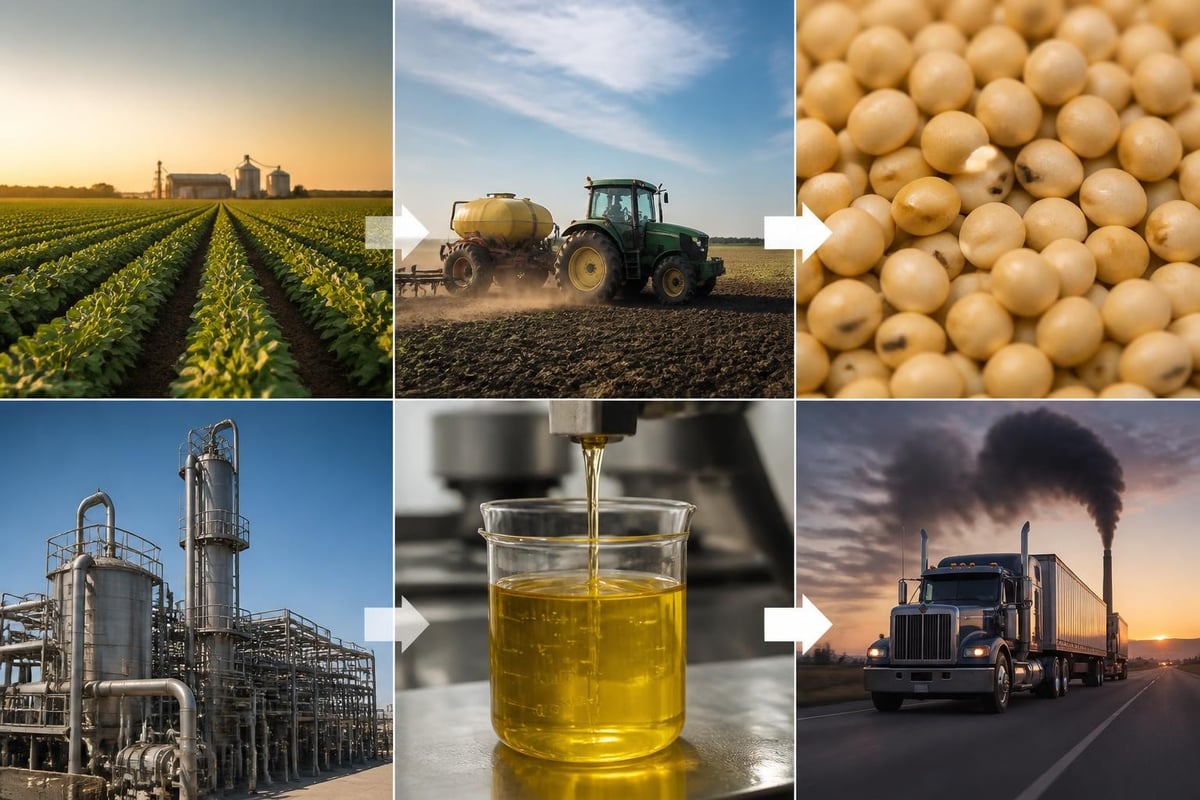
Cost competitiveness of cooking oil as fuel fluctuates with crude oil prices, agricultural commodity markets, and government incentive structures. Virgin vegetable oil production costs typically exceed petroleum diesel prices, limiting economic viability to niche applications or periods of high petroleum costs.
Economic factors influencing adoption:
- Feedstock acquisition costs
- Processing and conversion expenses
- Engine modification requirements
- Maintenance and longevity impacts
- Regulatory incentives and tax structures
- Waste oil collection infrastructure
Waste cooking oil collection and conversion presents improved economics by utilizing a low-cost or negative-cost feedstock. Municipal waste programs and restaurant partnerships provide steady supplies of used oil that requires less intensive processing than virgin oils.
Technical Challenges and Engine Compatibility
Operating engines on cooking oil as fuel introduces specific technical challenges that vary based on oil type, engine design, and operating conditions. Modern common-rail diesel injection systems face particular sensitivity to fuel viscosity variations, while older mechanical injection systems demonstrate greater tolerance for alternative fuels.
Fuel System Modifications
Successful long-term operation requires addressing fuel delivery, injection, and combustion system requirements. Pre-heating mechanisms reduce viscosity before injection, while fuel line materials must resist degradation from vegetable oil's different chemical properties.
Necessary modifications typically include heated fuel lines, dual-tank systems for cold starts, upgraded fuel filters with finer filtration, modified injection timing, and enhanced fuel pump specifications. The investigation of cooking oil as diesel substitute emphasizes expert warnings about potential engine damage without proper modifications, highlighting the importance of technical preparation.
Long-Term Durability Concerns
Extended operation on cooking oil as fuel raises questions about engine longevity and maintenance requirements. Carbon buildup in combustion chambers, fuel injector coking, lubricating oil contamination, and cylinder wear represent primary concerns documented across various engine platforms.
Regulatory Framework and Quality Standards
The regulatory environment surrounding cooking oil as fuel varies significantly across jurisdictions, reflecting different policy priorities regarding renewable energy, emissions control, and fuel quality assurance. Understanding these frameworks proves essential for commercial applications and supply chain development.
International Fuel Specifications
Biodiesel derived from vegetable oils must meet specific technical standards to ensure engine compatibility and performance. ASTM D6751 in North America and EN 14214 in Europe establish parameters for biodiesel quality, including ester content, viscosity ranges, cetane number, oxidation stability, and contaminant limits.
Critical specification parameters:
- Kinematic viscosity at 40°C: 1.9-6.0 mm²/s
- Cetane number minimum: 47-51 (varies by standard)
- Flash point minimum: 93°C-130°C
- Sulfur content maximum: 10-15 ppm
- Water content maximum: 500 ppm
- Total contamination maximum: 24 mg/kg
These specifications ensure that cooking oil as fuel delivers consistent performance across diverse operating conditions and engine designs. Suppliers and producers must implement rigorous quality control procedures to maintain compliance.
Waste Oil Collection and Sustainability
The circular economy approach to cooking oil as fuel gains particular traction through waste oil collection programs. Used cooking oil from restaurants, food processors, and institutional kitchens provides a steady feedstock stream that addresses both waste management challenges and renewable fuel production goals.
Collection Infrastructure Development
Efficient waste oil collection requires coordinated logistics, quality control, and contamination prevention. Successful programs establish clear protocols for oil storage, pickup scheduling, quality screening, and traceability documentation throughout the supply chain.
Collection systems face challenges including contamination with water or food particles, inconsistent oil quality across sources, geographic distribution of collection points, and seasonal variation in availability. The fundamental differences between cooking oil and fuel oil highlight why proper handling and processing remain critical even when starting with edible-grade materials.
Quality Grading and Processing
Waste cooking oils undergo classification based on free fatty acid content, moisture levels, contamination presence, and degradation indicators. Lower-quality oils require more intensive processing but still provide viable feedstock for fuel conversion at reduced raw material costs.
Future Developments and Industry Trends
The evolution of cooking oil as fuel technology continues through advances in enzymatic conversion processes, genetic modification of oil-producing crops for optimal fuel characteristics, hybrid fuel formulations, and improved engine designs tolerant of alternative fuels. Research institutions and commercial entities actively pursue innovations that address current limitations while improving economic competitiveness.
Advanced Conversion Technologies
Next-generation processing methods seek to reduce conversion costs, improve yield efficiency, and enable utilization of lower-quality feedstocks. Enzymatic transesterification offers potential advantages over chemical catalysis, including milder reaction conditions and reduced wastewater generation.
Supercritical fluid processing represents another emerging approach, eliminating catalyst requirements entirely while achieving rapid conversion rates. These technologies remain primarily in demonstration phases but indicate the ongoing innovation within the alternative fuel sector.
Integration with Renewable Energy Systems
Combining cooking oil as fuel production with broader renewable energy infrastructure creates synergistic opportunities. Biodiesel facilities powered by solar or wind energy reduce the carbon intensity of fuel production, while glycerol byproducts find applications in biogas generation or chemical manufacturing.
Practical Implementation Guidance
Organizations considering cooking oil as fuel applications benefit from systematic evaluation of technical requirements, economic feasibility, and operational implications. Decision frameworks should address fuel supply reliability, engine compatibility verification, maintenance protocol development, and regulatory compliance assurance.
Assessment Criteria
Successful implementation requires careful analysis across multiple dimensions. Fleet composition and duty cycles influence suitability, as do climate conditions, fuel storage capabilities, and access to technical support. Small-scale pilot programs allow real-world performance evaluation before full deployment.
Implementation checklist items:
- Engine manufacturer compatibility confirmation
- Fuel supply chain establishment
- Storage facility preparation
- Staff training on handling procedures
- Maintenance schedule adjustments
- Performance monitoring systems
- Backup fuel contingency planning
Temperature management proves particularly critical in cold climates, where vegetable oil viscosity increases dramatically. Heated storage tanks, insulated fuel lines, and blend strategies with conventional diesel help maintain year-round operability.
Understanding cooking oil as fuel reveals both the scientific foundation and practical considerations that shape this alternative energy pathway. From chemical properties to regulatory frameworks, successful implementation requires careful attention to technical details and systematic planning. Whether you're exploring sustainable fuel options, managing vegetable oil supply chains, or seeking diverse applications for premium refined oils, Thai Cooking Oils provides the quality, consistency, and technical expertise to support your operational needs across both traditional culinary and emerging industrial applications.
