

Coconut virgin oil has emerged as one of the most sought-after specialty oils in global food markets, prized for its distinctive flavor profile, functional properties, and purported health benefits. Unlike refined coconut oil, virgin varieties undergo minimal processing to preserve the natural aroma, taste, and bioactive compounds present in fresh coconut meat. For importers, distributors, and food manufacturers, understanding the production methods, quality parameters, and commercial applications of coconut virgin oil is essential for making informed sourcing decisions and meeting evolving consumer preferences in health-conscious markets.
Production Methods and Processing Standards
The fundamental distinction between coconut virgin oil and refined coconut oil lies in the extraction and processing methodology. Virgin coconut oil is produced from fresh coconut meat through mechanical or natural methods without chemical refining, bleaching, or deodorization. This preservation of natural characteristics requires careful attention throughout the entire production chain.
Wet and Dry Processing Techniques
Two primary methods dominate commercial coconut virgin oil production: wet processing and dry processing. Wet processing extracts oil directly from fresh coconut milk, which is separated from the meat through grating and pressing. The milk then undergoes fermentation, enzyme treatment, or centrifugation to break the oil-water emulsion and yield virgin oil. This method typically produces oil with a lighter coconut flavor and aroma.
Dry processing begins with drying fresh coconut meat to create copra, followed by mechanical cold-pressing to extract the oil. The key difference from conventional copra processing is the temperature control and absence of chemical solvents. Cold-pressed coconut virgin oil retains more volatile aromatic compounds and delivers the characteristic coconut taste that many food applications require.

Quality parameters for coconut virgin oil are increasingly standardized through international frameworks. The FAO Codex working documents on virgin coconut oil standards propose specific identity and quality criteria that distinguish virgin grades from refined products. These parameters include free fatty acid content (typically below 0.5%), moisture and impurities levels, peroxide value, and specific gravity ranges that processors must meet for premium classification.
Nutritional Composition and Functional Properties
The fatty acid profile of coconut virgin oil sets it apart from most vegetable oils, with approximately 92% saturated fatty acids. This high saturation level consists primarily of medium-chain triglycerides (MCTs), particularly lauric acid (C12:0), which comprises 45-55% of total fatty acids. Capric acid (C10:0) and caprylic acid (C8:0) contribute another 10-15% combined.
| Fatty Acid | Percentage Range | Chain Length |
|---|---|---|
| Lauric Acid | 45-55% | C12:0 |
| Myristic Acid | 16-21% | C14:0 |
| Palmitic Acid | 7-10% | C16:0 |
| Capric Acid | 5-8% | C10:0 |
| Caprylic Acid | 4-8% | C8:0 |
| Oleic Acid | 5-8% | C18:1 |
This unique composition provides several functional advantages for food manufacturers. The high saturation level creates exceptional oxidative stability, extending shelf life without hydrogenation or synthetic antioxidants. Coconut virgin oil remains solid at temperatures below 76°F (24°C), offering textural properties valuable in confectionery, bakery fillings, and specialty spreads.
Metabolic Characteristics and Health Research
Research on postprandial fatty acid metabolism after coconut oil consumption demonstrates that medium-chain fatty acids are absorbed and metabolized differently than long-chain fatty acids. MCTs are transported directly to the liver via the portal vein rather than through the lymphatic system, where they can be rapidly oxidized for energy.
The health implications of coconut virgin oil's saturated fat content remain subject to ongoing scientific debate. While traditional dietary guidelines have cautioned against high saturated fat intake, some researchers argue that the specific fatty acid composition of coconut oil may produce different metabolic effects compared to animal-derived saturated fats. The WHO guidelines on saturated and trans fats intake provide evidence-based recommendations that food manufacturers should consider when formulating products containing coconut virgin oil.
A comprehensive review of virgin coconut oil’s health impacts and bioactive compounds examines the current scientific literature on antimicrobial properties, antioxidant activity, and potential functional food applications. The review notes that coconut virgin oil contains phenolic compounds, vitamin E, and other minor bioactive components that contribute to its antioxidant capacity, though concentrations vary based on processing methods and raw material quality.
Quality Control and Analytical Testing
Ensuring consistent quality in coconut virgin oil requires comprehensive analytical protocols that verify both identity and purity. Food manufacturers sourcing virgin coconut oil for formulation work should implement incoming inspection procedures aligned with international standards for fats and oils.
Critical Quality Parameters
Free Fatty Acid (FFA) content serves as a primary indicator of raw material freshness and processing quality. Premium coconut virgin oil typically maintains FFA levels below 0.5% (expressed as lauric acid), with some specifications requiring less than 0.3%. Elevated FFA indicates hydrolytic degradation from poor storage conditions, excessive processing temperatures, or delayed processing of coconut meat.
Peroxide value (PV) measures primary oxidation products and should remain below 3 meq O₂/kg for virgin-grade oil. This parameter is particularly important for virgin coconut oil because the preservation of natural antioxidants through minimal processing provides inherent oxidative stability that refined oils achieve only through synthetic additives.
Moisture and impurities content must stay below 0.2% to prevent microbial growth and ensure product stability. Virgin processing methods can introduce higher moisture levels than refined processes, making this parameter critical for quality assurance.
- Iodine value: 6-11 (validates fatty acid profile)
- Saponification value: 250-260 mg KOH/g
- Unsaponifiable matter: Maximum 0.5%
- Refractive index at 40°C: 1.448-1.450
- Specific gravity at 40°C: 0.915-0.920
Sensory evaluation complements analytical testing for coconut virgin oil quality assessment. Trained panels evaluate aroma intensity, coconut flavor character, and absence of off-flavors such as rancidity, sourness, or mustiness. These sensory attributes directly impact consumer acceptance in finished food products, particularly in applications where coconut flavor is intended as a positive attribute.

Commercial Applications in Food Manufacturing
The functional and sensory properties of coconut virgin oil create opportunities across diverse food manufacturing segments. Understanding how these characteristics perform in specific applications helps manufacturers optimize formulations and meet consumer expectations.
Bakery and Confectionery Applications
Coconut virgin oil functions as a natural solid fat alternative in bakery applications, replacing partially hydrogenated oils or palm-based shortenings in formulations targeting clean-label positioning. The solid-to-liquid transition near room temperature provides desirable melt-in-mouth characteristics for cookies, pie crusts, and pastry lamination.
In confectionery manufacturing, coconut virgin oil serves multiple functions:
- Coating applications: The sharp melting point creates glossy chocolate-style coatings that set quickly at ambient temperature
- Center fillings: Provides structure to cream fillings without requiring emulsifiers in some formulations
- Compound coatings: Replaces cocoa butter in cost-sensitive applications while maintaining snap and shine
- Energy bars and clusters: Binds ingredients while contributing clean-label appeal
The distinctive coconut flavor profile works particularly well in tropical-themed products, vegan confections, and better-for-you snack categories where natural ingredients resonate with target consumers.
Dairy Alternatives and Plant-Based Foods
The plant-based food sector represents one of the fastest-growing application areas for coconut virgin oil. Manufacturers formulating dairy alternatives leverage the oil's saturated fat profile to replicate the mouthfeel and texture of dairy fats in products like non-dairy creamers, plant-based yogurts, and vegan cheese alternatives.
Coconut virgin oil provides functional advantages in these applications beyond simple fat content. The medium-chain triglycerides contribute to emulsion stability in beverage creamers, while the solid fat fraction at refrigeration temperatures helps create firmness in cultured non-dairy products without added gums or stabilizers.
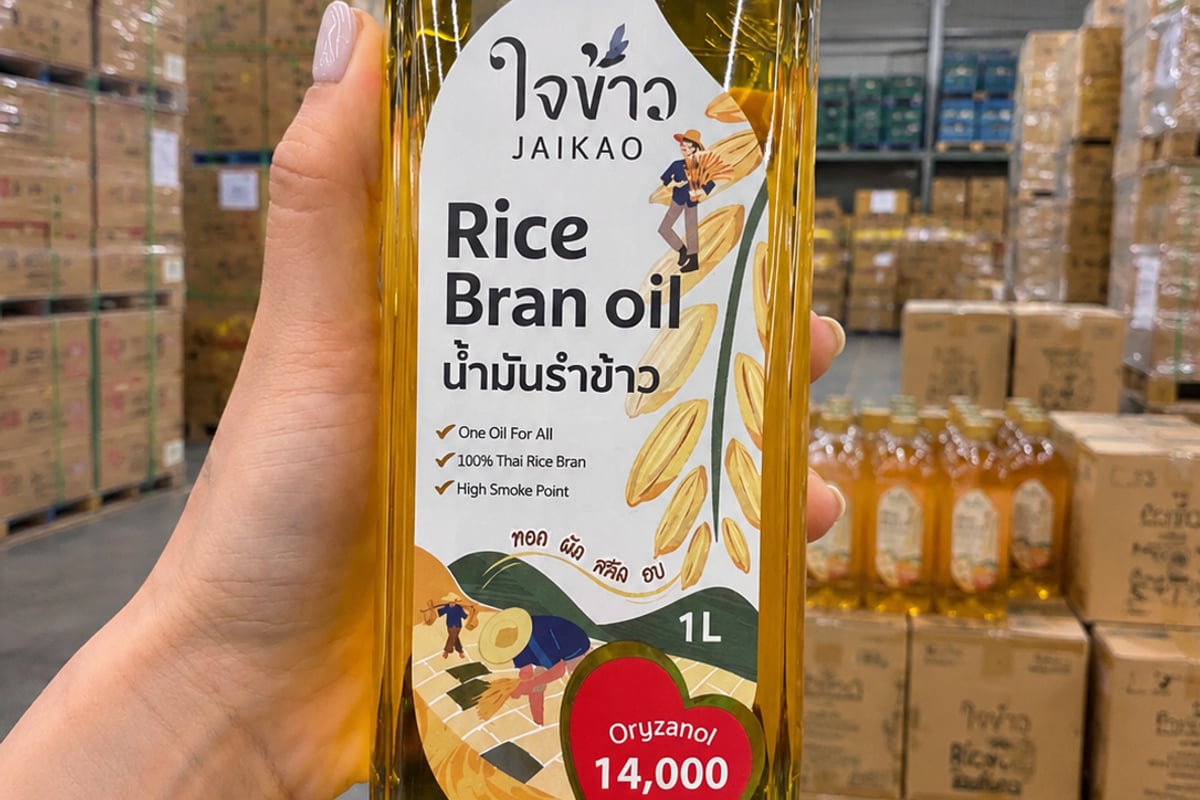
For manufacturers exploring the broader spectrum of specialty cooking oils, rice bran oil offers complementary functionality with its high smoke point and balanced fatty acid profile, making it suitable for applications where neutral flavor is preferred over coconut's distinctive character.
Regulatory Considerations and Labeling Requirements
Navigating international regulations surrounding coconut virgin oil requires attention to varying standards across markets. Different regulatory frameworks define "virgin" designation through specific processing parameters, quality thresholds, and labeling terminology that affect market access and product claims.
International Standards and Market Access
The FAO Codex standards for fats and oils provide foundational identity and quality parameters recognized across international trade. These standards establish the analytical methods and specifications that form the basis for commercial contracts and quality disputes.
European markets require compliance with EFSA guidelines on saturated fats, which influence how coconut virgin oil can be marketed and what health claims may accompany products containing significant amounts of saturated fatty acids. Food manufacturers exporting to the European Union must consider these nutritional guidelines when formulating products and developing package declarations.
In North American markets, the FDA requires that coconut oil be clearly identified on ingredient lists, and nutrition facts panels must declare the saturated fat content. The term "virgin" may be used if processing methods align with industry-accepted definitions, though no formal federal standard currently exists. This creates an opportunity for third-party certifications to establish market differentiation.
| Market Region | Key Regulatory Focus | Primary Standard |
|---|---|---|
| European Union | Saturated fat content disclosure | EFSA nutrition guidelines |
| United States | Ingredient identification, sat fat declaration | FDA labeling regulations |
| Asia-Pacific | Processing method verification | National and Codex standards |
| Middle East | Halal certification requirements | GSO and national authorities |
Organic and Sustainability Certifications
Premium market positioning often requires organic certification, which necessitates documentation of coconut plantation management, processing facility compliance, and supply chain traceability. USDA Organic, EU Organic, and equivalent national certifications each maintain specific requirements for coconut virgin oil, including restrictions on synthetic fertilizers, pesticides, and processing aids.
Sustainability certifications increasingly influence purchasing decisions in institutional and retail channels. Fair Trade, Rainforest Alliance, and similar programs verify social and environmental practices throughout coconut oil supply chains. For distributors serving markets with strong sustainability expectations, these certifications represent competitive advantages worth the compliance investment.
Storage, Handling, and Shelf Life Management
Proper storage and handling protocols preserve coconut virgin oil quality throughout distribution and ensure optimal performance in manufacturing applications. The oil's physical and chemical properties require specific considerations that differ from liquid vegetable oils.
Temperature and Container Considerations
Coconut virgin oil's melting point near 76°F (24°C) creates unique storage challenges in temperature-variable environments. The oil transitions between solid and liquid states repeatedly if stored at fluctuating temperatures, potentially affecting texture and appearance but not compromising chemical stability. Manufacturers should maintain storage temperatures either consistently above or below the melting point to avoid repeated phase transitions.
For bulk storage, stainless steel tanks with temperature control capabilities offer optimal conditions. The tanks should feature inert gas blanketing systems to minimize oxidative exposure during storage periods extending beyond six months. Smaller packaging formats benefit from oxygen-barrier materials, though coconut virgin oil's inherent oxidative stability makes it less demanding than polyunsaturated oils.
Light exposure accelerates degradation of minor bioactive compounds and can contribute to color changes over extended periods. Opaque containers or light-protected storage areas help preserve the natural phenolic content and vitamin E that differentiate virgin coconut oil from refined alternatives.
Recommended shelf life parameters under proper storage conditions:
- Bulk storage (controlled temperature): 18-24 months from production
- Retail packaging (ambient temperature): 12-18 months from packaging
- Opened containers: 6-12 months with minimal headspace
- Refrigerated storage: Not necessary but extends shelf life in hot climates
Non-Food Applications and Market Diversification
While food applications dominate coconut virgin oil commerce, personal care and cosmetic industries represent significant market segments that food oil suppliers may serve through diversified product portfolios. Understanding these applications provides strategic context for supply chain optimization and customer relationship development.
Cosmetic and Personal Care Formulations
The Cleveland Clinic’s overview of coconut oil for skin applications examines both the benefits and limitations of topical coconut oil use. The oil's lauric acid content provides antimicrobial properties that appeal to natural cosmetics formulators, while its emollient characteristics make it suitable for moisturizers, hair treatments, and massage oils.
Cosmetic-grade coconut virgin oil must meet additional purity standards beyond food-grade specifications, including microbiological testing for pathogenic bacteria and extended allergen screening. Some markets require specific cosmetic registration or notification procedures even for simple ingredients like coconut oil.
The cosmetic industry's preference for virgin coconut oil over refined versions stems from marketing advantages associated with "natural" and "unrefined" positioning. Suppliers serving both food and cosmetic sectors can optimize coconut procurement by allocating premium lots to cosmetic customers willing to pay higher prices for exceptional sensory characteristics and organic certification.

Sourcing Strategies for Importers and Distributors
Developing reliable coconut virgin oil supply chains requires understanding geographic production patterns, seasonal availability, and quality variation across origin regions. Strategic sourcing decisions impact both cost competitiveness and ability to meet customer quality expectations consistently.
Origin Selection and Supplier Evaluation
Major coconut-producing regions include the Philippines, Indonesia, India, Sri Lanka, Thailand, and Vietnam. Each origin presents distinct advantages and considerations for quality-focused buyers. Philippine coconut virgin oil traditionally commands premium pricing due to established quality reputation and well-developed export infrastructure. Indonesian production offers cost competitiveness at scale but requires careful supplier selection to ensure consistent processing standards.
Thailand's coconut processing sector combines quality production capabilities with strategic geographic positioning for Asian market access. Thai processors often maintain integrated operations from plantation to processing, enabling better quality control throughout the production chain. For distributors serving Asian markets, Thailand-origin coconut virgin oil offers logistical advantages through shorter shipping distances and established regional trade relationships.
Key supplier evaluation criteria should include:
- Processing facility hygiene and quality management systems (ISO 22000, HACCP, GMP)
- Raw material sourcing practices and coconut quality standards
- Analytical testing capabilities and routine quality verification protocols
- Traceability systems enabling lot tracking from coconut procurement to final shipment
- Capacity for customized specifications and private label production
- Sustainability practices and available certifications
Container logistics for bulk coconut virgin oil require temperature considerations during ocean transport. The oil's semi-solid state at typical shipping temperatures means flexi-tanks and ISO tanks must accommodate product that won't flow freely at ambient conditions. Heating coils or heated warehouses facilitate discharge operations in destination ports.
Market Trends and Consumer Preferences
Understanding evolving market dynamics helps distributors and manufacturers anticipate demand shifts and adjust product development priorities accordingly. Coconut virgin oil markets continue maturing beyond initial health trend cycles toward more nuanced consumer segmentation.
Premium and Specialty Market Positioning
Consumer willingness to pay premium prices for coconut virgin oil increasingly depends on specific value propositions beyond generic "virgin" designation. Organic certification, single-estate sourcing, fair trade verification, and exotic varietal claims differentiate products in crowded retail environments. Food manufacturers formulating premium product lines should consider these attributes when selecting coconut virgin oil suppliers.
The plant-based food movement significantly influences coconut virgin oil demand patterns. As dairy alternative categories expand beyond beverages into yogurt, ice cream, and cheese sectors, coconut virgin oil's functional properties position it favorably against other plant-based fats. Manufacturers developing clean-label formulations appreciate the recognizable ingredient name and absence of chemical processing.
Foodservice and restaurant channels demonstrate growing interest in coconut virgin oil for both cooking applications and as a menu story ingredient. High-end establishments feature coconut virgin oil in preparations highlighting natural ingredients and global cuisine influences. This visibility in foodservice creates consumer familiarity that translates to retail purchasing behavior.
Emerging application trends include:
- Ketogenic and low-carbohydrate food products leveraging MCT content
- Infant nutrition formulations using lauric acid to approximate human milk fatty acids
- Sports nutrition and performance foods promoting rapid energy metabolism
- Probiotic and functional food matrices using coconut oil as carrier for active ingredients
Integration with Broader Vegetable Oil Portfolios
Distributors and food manufacturers rarely work with coconut virgin oil in isolation. Understanding how this specialty product integrates with broader edible oil portfolios enables more strategic purchasing decisions and customer relationship development.
Coconut virgin oil's premium pricing and distinctive sensory profile make it unsuitable for many applications where refined coconut oil, palm oil, or other tropical fats deliver equivalent functionality at lower cost. Savvy procurement teams maintain relationships with suppliers offering comprehensive product ranges that address both specialty and commodity needs within unified supply agreements.
The complementary nature of different oil types creates opportunities for bundled sourcing strategies. A food manufacturer producing multiple product lines might use refined sunflower oil for neutral-flavor applications, coconut virgin oil for tropical-themed premium products, and rice bran oil for Asian-inspired formulations. Consolidating these purchases with suppliers offering full portfolios can yield volume discounts and simplified logistics.
For suppliers, cross-selling opportunities emerge naturally when customer relationships begin with a single specialty product like coconut virgin oil. A distributor initially purchasing virgin coconut for natural foods channels may expand to refined coconut oil for industrial customers, then add palm oil for confectionery applications and eventually build a complete tropical oils program.
Quality expectations established through coconut virgin oil relationships often influence customer perceptions of a supplier's broader capabilities. Demonstrating excellence in the demanding specifications and handling requirements of virgin coconut oil builds confidence that translates to trust in other product categories.
Coconut virgin oil occupies a unique position in global edible oil markets, offering distinctive functional properties and sensory characteristics that serve specialized applications across food manufacturing, plant-based products, and premium consumer goods. Whether you're sourcing coconut virgin oil for specific formulations or building comprehensive edible oil supply chains, partnering with experienced suppliers ensures consistent quality and reliable logistics. Thai Cooking Oils delivers premium vegetable oils including coconut oil and complementary products to importers, distributors, and food manufacturers worldwide, backed by rigorous quality standards and Thailand's established position in Asian oil processing.
