
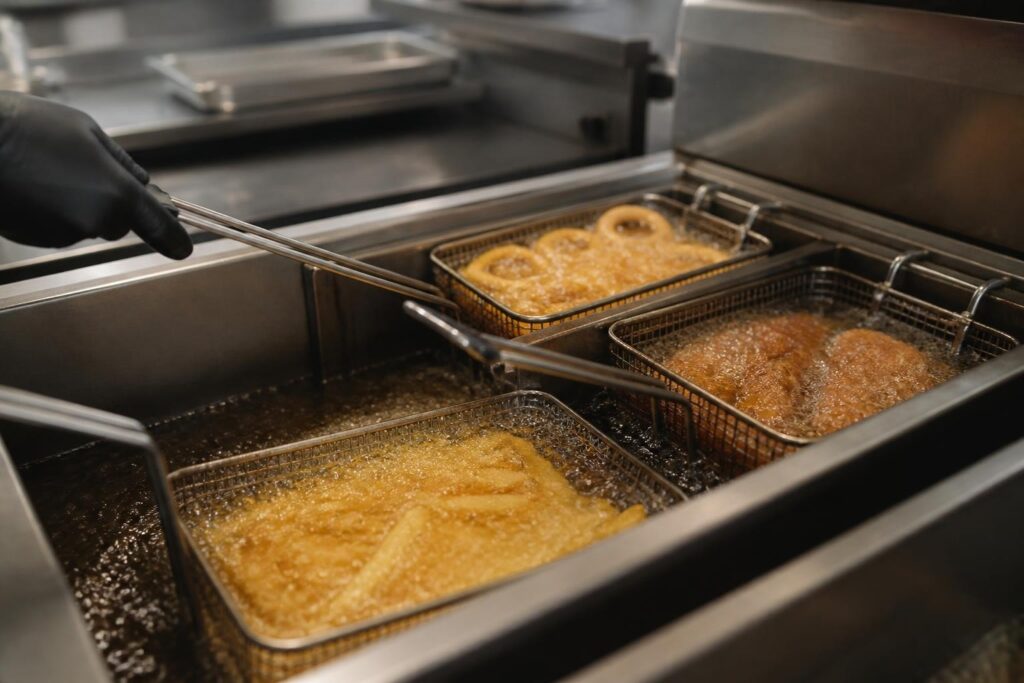
Commercial kitchens and food manufacturers face a critical decision when selecting frying oils: balancing performance, health attributes, cost efficiency, and product quality. Canola oil for deep frying has emerged as a preferred solution across restaurants, snack manufacturers, and institutional foodservice operations. With its favorable fatty acid profile, high smoke point, and neutral flavor characteristics, canola oil delivers consistent results while meeting increasingly stringent health standards. Understanding the technical properties, operational advantages, and best practices for using canola oil in deep frying applications enables businesses to optimize their frying operations and deliver superior products to consumers.
Why Canola Oil Excels in Commercial Deep Frying
Canola oil's performance in high-temperature frying environments stems from its unique chemical composition and processing characteristics. The oil contains approximately 7% saturated fat, 63% monounsaturated fat, and 28% polyunsaturated fat, creating a balance that supports both stability and health benefits.
The refined canola oil smoke point reaches approximately 400°F (204°C), positioning it firmly within the optimal range for most deep frying applications. French fries typically fry at 350-375°F, chicken at 325-375°F, and doughnuts at 365-385°F, all well below canola's degradation threshold. This thermal stability ensures the oil maintains its integrity throughout extended frying sessions without breaking down or producing off-flavors.

According to the American Heart Association’s guidance on healthy cooking oils, canola oil ranks among the most heart-healthy options for high-temperature cooking. Its low saturated fat content and favorable omega-6 to omega-3 ratio make it an attractive option for health-conscious operations and consumers.
Chemical Stability Under Heat Stress
During deep frying, oils undergo hydrolysis, oxidation, and polymerization reactions that gradually degrade quality. Canola oil for deep frying demonstrates superior resistance to these degradation pathways compared to many alternatives.
Research published in comprehensive frying oil reviews indicates that canola oil's moderate polyunsaturated fat content creates less oxidative stress than high-linoleic oils while maintaining better fluidity than highly saturated alternatives. This balance translates to:
- Extended oil life: Properly maintained canola oil can handle 15-20% more frying cycles than conventional soybean oil
- Reduced polar compound formation: Lower accumulation of degradation products that affect flavor and safety
- Consistent viscosity: Minimal thickening over the oil's service life
- Color stability: Slower darkening compared to oils with higher polyunsaturated content
The oil's natural tocopherol (vitamin E) content provides inherent antioxidant protection, though commercial operations often supplement with additional stabilizers to maximize operational efficiency.
Performance Characteristics Across Food Categories
Different fried products place varying demands on frying oils, from moisture content and cooking time to surface characteristics and flavor requirements. Canola oil for deep frying adapts well across this spectrum of applications.
| Food Category | Frying Temperature | Canola Oil Advantages | Typical Batch Duration |
|---|---|---|---|
| French fries | 350-375°F | Crispy exterior, minimal oil absorption | 3-5 minutes |
| Breaded chicken | 325-350°F | Neutral flavor, golden color development | 12-15 minutes |
| Doughnuts | 365-385°F | Light texture, clean taste profile | 90-120 seconds |
| Fish fillets | 350-375°F | No flavor transfer, delicate crust | 4-6 minutes |
| Tortilla chips | 350-375°F | Extended oil life, consistent crispness | 45-60 seconds |
The neutral flavor profile of canola oil represents a significant operational advantage. Unlike oils with pronounced flavors (coconut, sesame), canola allows the food's inherent taste to dominate. This characteristic proves especially valuable in operations frying diverse products in the same oil or when product specifications demand minimal flavor interference.
Oil Absorption and Product Quality
Food manufacturers and restaurant operators carefully monitor oil uptake because it directly impacts nutrition labeling, food cost, and product texture. Canola oil's viscosity and surface tension characteristics influence absorption rates during frying and post-frying drainage.
Testing across multiple product types shows canola oil absorption rates 5-12% lower than high-saturated alternatives when frying temperature and time remain constant. This reduction translates to tangible benefits: lower fat content per serving, reduced raw material costs, and potentially improved texture attributes that consumers associate with quality.
Post-frying oil drainage also improves with canola oil due to its flow properties at room temperature. Products drain more completely during the crucial cooling phase, further reducing final oil content.
Sourcing and Quality Specifications for Commercial Operations
Food manufacturers and large-scale foodservice operations require consistent oil specifications to maintain product quality and process efficiency. When sourcing canola oil for deep frying, several technical parameters deserve close attention.
Critical Quality Indicators
Moisture content should register below 0.1% to prevent spattering, excessive foaming, and accelerated hydrolysis during frying. Excess moisture introduces safety hazards and shortens oil life substantially.
Free fatty acid (FFA) content below 0.05% indicates proper refining and freshness. Elevated FFA levels accelerate smoke point degradation and contribute to off-flavors during extended frying operations.
Peroxide value under 2.0 meq O₂/kg demonstrates minimal oxidation in the virgin oil. Starting with low peroxide values extends the operational window before replacement becomes necessary.
Color measurement through Lovibond or spectrophotometric methods ensures batch-to-batch consistency. Canola oil typically presents as pale yellow with excellent clarity, characteristics that influence final product appearance.
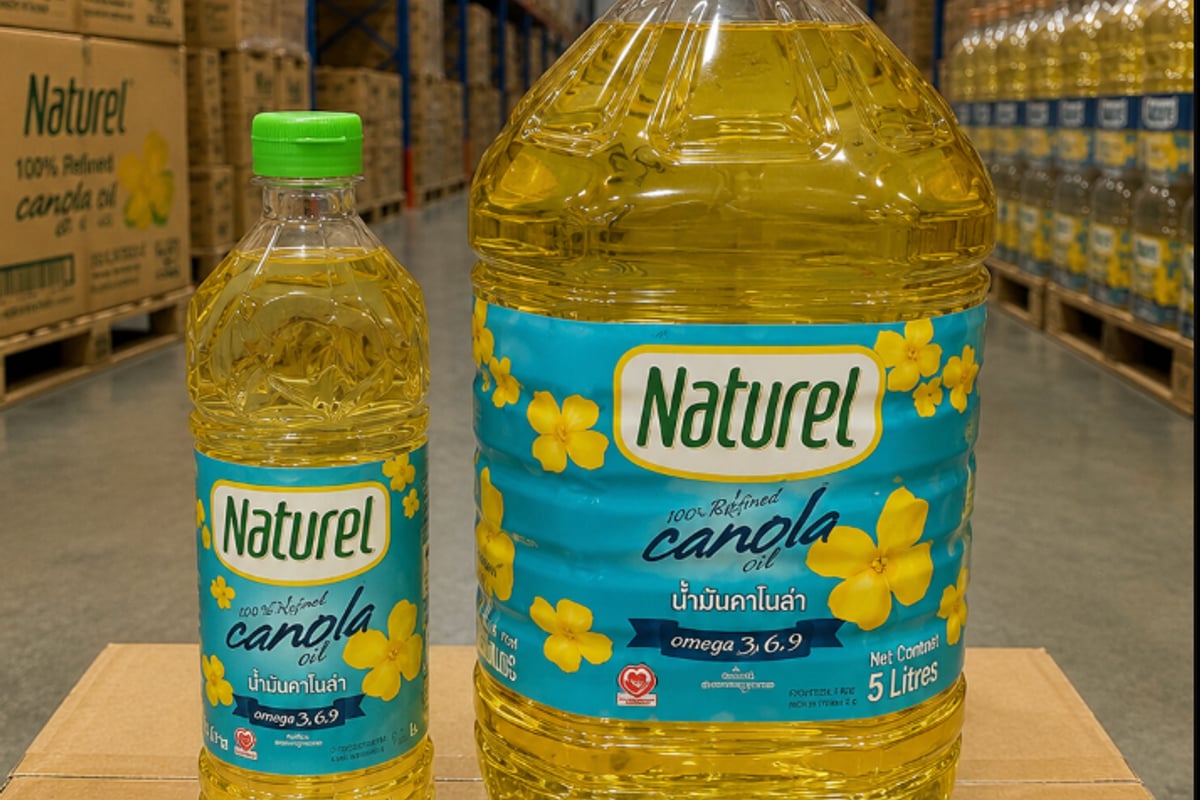
For operations seeking premium-grade canola oil that meets rigorous specifications, refined canola oil from Thai Cooking Oils provides the low saturated fat content, high smoke point, and neutral flavor profile that demanding manufacturing processes require. Their quality control protocols ensure moisture content below 0.1% and free fatty acid content under 0.05%, critical parameters for consistent frying performance.

The Institute of Food Technologists discusses processing and quality considerations that impact fried food safety and shelf life. Their guidance emphasizes that oil quality at the point of delivery significantly influences downstream outcomes, making supplier selection a strategic decision rather than a commodity purchasing function.
Operational Best Practices for Maximizing Oil Life
Even the highest-quality canola oil for deep frying requires proper handling and maintenance to deliver maximum economic value and consistent product quality. Commercial operations implement systematic oil management programs that extend oil life while maintaining safety and quality standards.
Temperature Management Protocols
Precise temperature control represents the single most important factor in oil longevity. Every 10°F above the optimal frying temperature roughly doubles the rate of oil degradation. Modern commercial fryers incorporate digital controls and automatic temperature compensation, but operational discipline remains essential.
Best practices include:
- Calibrate thermostats monthly using certified reference thermometers to verify accuracy
- Monitor recovery time after product loading to ensure adequate heat input capacity
- Avoid exceeding 375°F unless specific products demand higher temperatures
- Turn down or turn off fryers during slow periods rather than maintaining full temperature
- Filter oil at operating temperature to remove particles while maintaining solubility of certain compounds
When fryers idle at maximum temperature during slow periods, oil degradation continues without productive output, wasting both energy and oil life. Programmable controls can reduce temperature automatically during predictable low-volume periods.
Filtration and Particle Management
Food particles, breading fragments, and carbonized debris accelerate oil degradation through multiple pathways. They act as nucleation sites for further degradation, darken the oil, contribute off-flavors, and create safety hazards through increased foaming.
Filtration frequency depends on product type and volume, but general guidelines suggest:
- High-volume breaded products: Filter every 4-6 hours of operation
- Clean products (fries, chips): Filter every 8-12 hours
- Mixed operations: Filter at least twice per shift
Paper filtration removes particles down to 5-10 microns, while powder filtration systems can extract smaller particles and some polar compounds that contribute to degradation. The investment in filtration equipment typically returns 15-25% extended oil life, directly improving bottom-line profitability.
Chemical Testing and Oil Replacement Criteria
Subjective assessment (color, smell, foam) provides early warnings of degradation, but objective testing ensures consistent product quality and food safety compliance. Canola oil for deep frying should be monitored using quantitative methods that track chemical changes over time.
| Test Method | Threshold for Replacement | What It Measures | Testing Frequency |
|---|---|---|---|
| Total Polar Materials (TPM) | 24-27% | Overall degradation products | Daily in high-volume operations |
| Free fatty acids | 1.0-1.5% | Hydrolytic breakdown | 2-3 times per week |
| Polymer content | 10-12% | Polymerization products | Weekly |
| Acid value | 2.5 mg KOH/g | Acidic degradation | 2-3 times per week |
| Color (Lovibond) | Product-specific | Visual quality indicator | Daily |
Total polar materials measurement has become the industry standard for frying oil management. Portable electronic devices provide rapid TPM readings at the fryer, enabling real-time decisions about oil quality. Most food safety standards and corporate specifications establish replacement thresholds between 24% and 27% TPM.
Research from Harvard Health on choosing heart-healthy cooking oils emphasizes that oils used for repeated frying should be monitored and replaced before significant degradation occurs. While their guidance targets home cooks, the underlying chemistry applies equally to commercial operations.
Antioxidant Supplementation Strategies
Natural and synthetic antioxidants can substantially extend canola oil service life by intercepting free radicals before they propagate oxidative chains. The American Oil Chemists’ Society provides technical guidance on antioxidant selection and dosing for frying applications.
Common approaches include:
- Tertiary butylhydroquinone (TBHQ): Synthetic antioxidant effective at 100-200 ppm, heat-stable and cost-effective
- Mixed tocopherols: Natural vitamin E compounds, often used in combination with other antioxidants
- Rosemary extract: Natural option increasingly popular in clean-label applications
- Citric acid: Synergistic chelating agent that enhances primary antioxidant performance
Many canola oil suppliers offer pre-stabilized products with optimized antioxidant packages for specific frying applications. These formulations balance regulatory compliance, labeling considerations, and performance requirements.
Economic Comparison With Alternative Frying Oils
Procurement decisions in commercial foodservice and food manufacturing balance multiple factors: raw material cost, oil life expectancy, product quality impact, health positioning, and supply chain reliability. Canola oil for deep frying typically costs 10-25% more per gallon than commodity soybean oil but often delivers superior total cost of ownership.
Total Cost Analysis Framework
A comprehensive cost comparison accounts for:
Purchase price per gallon represents only the starting point. Market prices fluctuate based on growing conditions, demand patterns, and global trade dynamics.
Frying cycles per gallon measures how many production batches the oil can complete before replacement. Canola typically delivers 15-30% more cycles than conventional soybean oil under comparable conditions.
Oil absorption rate affects both product nutritional profile and the volume of oil that becomes part of the finished product rather than being recovered. Lower absorption rates effectively reduce the net cost per pound of product.
Product quality and consistency influence customer satisfaction, return rates, and brand reputation-harder to quantify but economically significant over time.
Health positioning and marketing value enable some operations to command premium pricing or attract health-conscious customer segments.
When analyzed holistically, canola oil frequently delivers lower total cost per pound of product produced, despite higher purchase prices. Operations should conduct periodic cost analyses using actual production data rather than relying on purchase price alone.
Total cost of ownership calculation for commercial frying oils comparing canola oil against soybean oil and palm oil, showing purchase price, oil life cycles, absorption rates, and net cost per pound of finished product
Nutritional Considerations and Health Positioning
Consumer awareness of dietary fats has evolved significantly over the past decade, with growing attention to saturated fat content, omega fatty acid ratios, and oil processing methods. Canola oil for deep frying offers several nutritional advantages that align with current dietary recommendations.
The low saturated fat content (approximately 7%) positions canola favorably against palm oil (50%), coconut oil (87%), and even beef tallow (50%). For operations targeting health-conscious consumers or institutional settings with nutritional guidelines, this difference substantially impacts menu planning and product formulation.
Health Canada’s overview of dietary fats provides regulatory context and public health perspective on fat intake recommendations. Their guidance recognizes canola oil as a favorable option for cooking applications, including frying, when used appropriately.
High-Oleic Canola Varieties
Traditional canola oil contains approximately 63% oleic acid (monounsaturated fat). Plant breeding programs have developed high-oleic varieties containing 72-80% oleic acid, further improving oxidative stability and frying performance.
High-oleic canola oil for deep frying offers:
- Extended oil life: 50-100% longer frying life compared to conventional canola
- Reduced trans fat formation: Lower polyunsaturated content minimizes geometric isomerization
- Improved shelf life: Products fried in high-oleic canola demonstrate slower oxidative rancidity development
- Clean label positioning: Non-GMO and organic high-oleic varieties support specific marketing claims
The premium for high-oleic varieties typically ranges from 15-35% above conventional canola, justified in applications where extended oil life or enhanced product shelf life delivers measurable value.
Processing and Refining Impact on Frying Performance
The journey from canola seed to refined frying oil involves multiple processing steps that influence final product characteristics. Understanding these processes helps procurement professionals evaluate supplier capabilities and product specifications.
Penn State Extension’s primer on edible oil processing explains how refining, bleaching, and deodorization affect stability and performance. These processing steps remove impurities, unwanted flavors, and pro-oxidant compounds that would otherwise compromise frying performance.
Key Refining Stages
Degumming removes phospholipids that would darken during frying and contribute to foaming. Water degumming or acid degumming methods are selected based on phosphorus content in crude oil.
Neutralization eliminates free fatty acids through alkali treatment, reducing the acid value and removing compounds that lower smoke point. Proper neutralization is critical for achieving the low FFA specifications that commercial frying demands.
Bleaching employs activated clays or carbons to remove color pigments, oxidation products, trace metals, and residual phospholipids. Bleaching earth quality and contact time significantly influence final oil color and stability.
Deodorization uses steam distillation under vacuum to remove volatile compounds responsible for flavor and odor. This high-temperature step (450-500°F) also destroys remaining peroxides and creates the neutral flavor profile essential for versatile frying applications.
Winterization (optional) removes higher-melting components that could cloud the oil at refrigeration temperatures. This step matters less for frying applications than for salad oils or products requiring refrigerated stability.
Quality refiners carefully control each stage to maximize yield while achieving specifications. Aggressive processing can strip beneficial minor components (tocopherols, sterols), while insufficient processing leaves contaminants that accelerate degradation during frying.
Food Safety and Regulatory Compliance
Commercial frying operations must navigate food safety regulations, labeling requirements, and industry standards that govern oil selection and management. Canola oil for deep frying fits comfortably within regulatory frameworks across major markets.
Regulatory Classifications
In the United States, canola oil is generally recognized as safe (GRAS) for all food applications, including frying. The FDA does not impose specific limitations on canola oil use beyond standard food safety requirements.
European Union regulations classify canola oil (rapeseed oil with less than 2% erucic acid) as a standard edible oil subject to general food safety directives. No special restrictions apply to frying applications.
Many jurisdictions have implemented or proposed restrictions on trans fats in commercial foodservice. Canola oil's naturally low trans fat content (typically less than 0.5g per serving even after extended frying) positions it favorably against partially hydrogenated alternatives now banned or restricted in many markets.
Allergen Considerations
Canola oil does not appear on major allergen lists (FDA, EU, Health Canada) and is generally considered safe for individuals with common food allergies. This broad acceptability simplifies menu labeling and reduces allergen cross-contact concerns in shared fryers.
Some operations maintain dedicated fryers for specific allergens (shellfish, gluten-containing breaded items) based on cross-contact concerns with the food products rather than the oil itself. Canola oil works equally well in both dedicated and shared fryer configurations.
Storage and Handling Requirements
Proper storage extends canola oil shelf life and ensures consistent frying performance. Refined canola oil for deep frying demonstrates good storage stability but requires appropriate conditions to prevent quality deterioration before use.
Temperature control: Store canola oil at 50-70°F when possible. Elevated temperatures accelerate oxidation even in unopened containers. Avoid storage areas subject to heat from boilers, ovens, or direct sunlight.
Light protection: While refined canola oil contains lower chlorophyll than virgin oils, light exposure still promotes oxidation. Opaque containers or dark storage areas preserve quality, especially for long-term inventory.
Container integrity: Ensure containers remain sealed until use. Oxygen exposure initiates oxidation reactions that continue even in storage. Partially used containers should be resealed promptly.
First-in, first-out rotation: Even properly stored canola oil has finite shelf life (typically 12-18 months in sealed containers). Inventory rotation prevents using degraded oil in production.
Quality verification: Test or inspect oil upon delivery and before transferring to fryers. Catching quality issues before production prevents costly batch failures and product waste.
Bulk storage systems require additional considerations including tank materials (stainless steel preferred), nitrogen blanketing for large volumes, and regular cleaning to prevent biofilm formation in transfer lines.
Canola oil for deep frying delivers an optimal combination of performance, health attributes, and economic value for commercial operations. Its high smoke point, favorable fatty acid profile, and neutral flavor make it suitable for diverse applications, from quick-service restaurants to large-scale food manufacturing. When properly managed through temperature control, filtration, and systematic testing, canola oil provides consistent results that meet both operational requirements and evolving consumer expectations. Thai Cooking Oils supplies premium-grade canola oil and a comprehensive range of refined edible oils to foodservice operators, manufacturers, and distributors worldwide, backed by rigorous quality control and reliable global logistics.
