

Canola oil has become one of the most versatile ingredients in modern baking, offering home bakers and food manufacturers alike a healthier alternative to traditional solid fats without sacrificing texture or flavor. With its neutral taste profile, high smoke point, and exceptional ability to keep baked goods moist, this vegetable oil has earned its place as a staple ingredient across professional kitchens and home pantries worldwide. Whether you're creating delicate cakes, hearty muffins, or chewy cookies, understanding how to properly incorporate this ingredient into your recipes can transform your baking results while delivering nutritional benefits that today's health-conscious consumers demand.
Understanding Canola Oil's Role in Baking
Canola oil functions fundamentally differently than butter or shortening in baked goods. When baking with canola oil, you're working with a liquid fat that coats flour proteins more efficiently than solid fats, which creates a more tender crumb structure. This coating action inhibits gluten development, resulting in products that remain soft and moist longer than those made with solid fats.
The scientific properties of canola oil make it particularly suited for baking applications. With a smoke point of approximately 400°F (204°C), it remains stable throughout most baking processes without breaking down or producing off-flavors. Canola oil’s versatility in cooking and baking stems from its neutral flavor profile, which allows other ingredients to shine rather than competing with delicate flavors like vanilla, citrus, or chocolate.
Nutritional Advantages in Baking
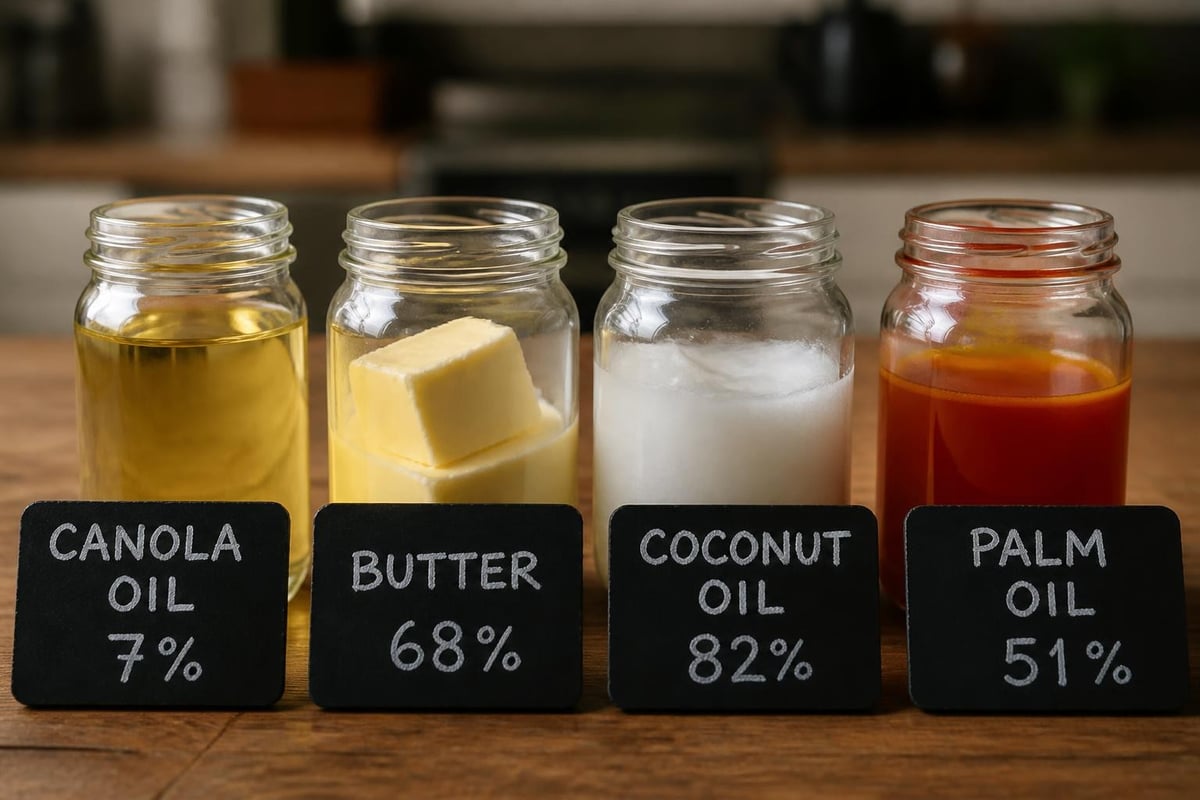
The health profile of canola oil distinguishes it from many baking fats. It contains the lowest saturated fat content among common cooking oils, with only 7% saturated fat compared to butter's 63%. This composition includes beneficial omega-3 fatty acids and vitamin E, making it an attractive option for health-focused formulations.
Key nutritional benefits include:
- Lowest saturated fat among major cooking oils
- High in heart-healthy monounsaturated fats
- Contains omega-3 alpha-linolenic acid
- Zero trans fats when properly refined
- Rich in vitamin E and K
Food manufacturers and bakeries increasingly specify canola oil in their formulations to meet consumer demand for healthier products. The oil's ability to deliver moisture and tenderness while supporting cardiovascular health positions it as a preferred ingredient across commercial baking operations.
Converting Recipes for Canola Oil
Successfully adapting traditional recipes requires understanding the proper substitution ratios. When baking with canola oil as a butter replacement, the general conversion ratio is 3/4 cup oil for every 1 cup of butter. This adjustment accounts for butter's water content and ensures proper moisture balance in the final product.
Practical substitution guidelines demonstrate that the conversion process involves more than simple measurement adjustments. Different baked goods respond uniquely to oil-based formulations, requiring bakers to understand how moisture, structure, and leavening interact.
| Butter Amount | Canola Oil Equivalent | Best Applications |
|---|---|---|
| 1 cup | 3/4 cup | Cakes, quick breads |
| 1/2 cup | 1/3 cup + 1 tbsp | Muffins, brownies |
| 1/4 cup | 3 tbsp | Cookies, pancakes |
Recipe Categories and Performance
Not all baked goods perform equally well with oil substitutions. Recipes that originally call for melted butter or oil naturally adapt most successfully. Cakes, muffins, quick breads, and brownies typically achieve excellent results when baking with canola oil, often producing more tender and moist results than their butter-based counterparts.
Cookies present a more nuanced situation. While canola oil creates wonderfully chewy cookies, recipes requiring the creaming method (beating butter and sugar together) may need adjustments. The creaming process incorporates air into the mixture, contributing to structure and rise. Oil-based cookies typically spread more during baking and produce a chewier rather than crispy texture.
Techniques for Optimal Results
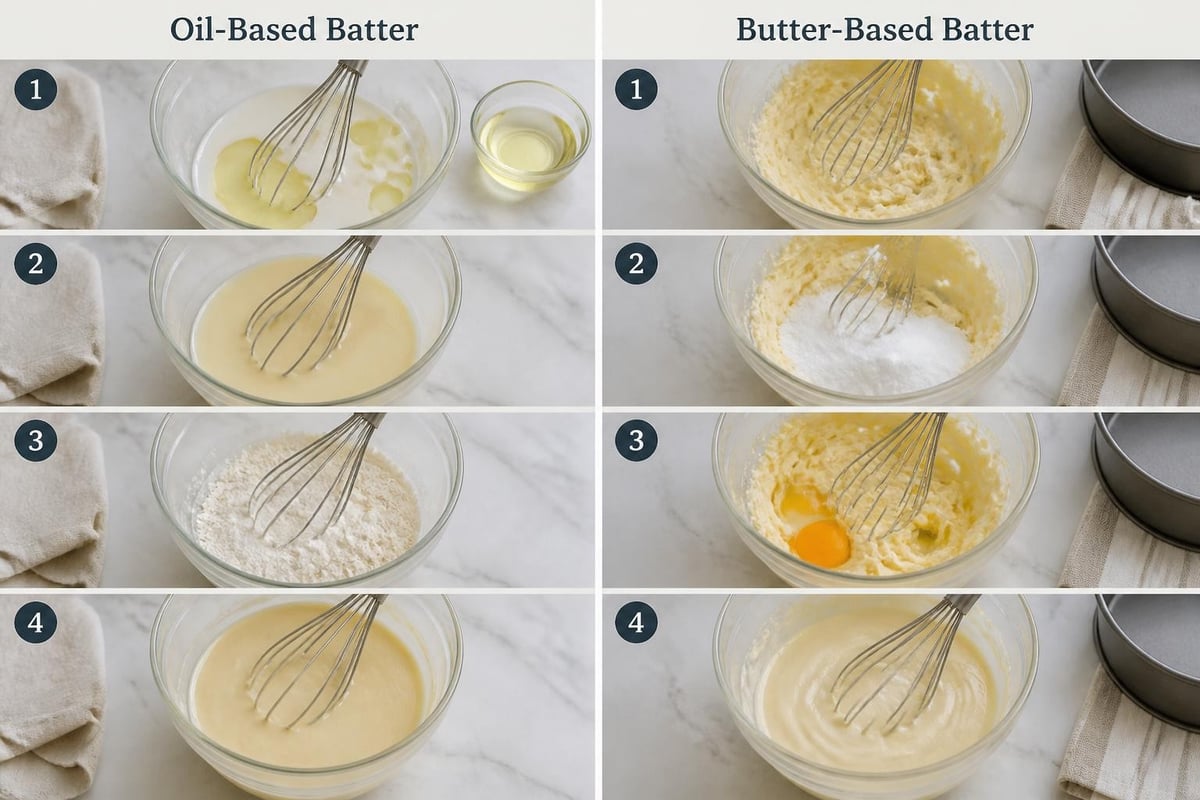
Professional bakers employ specific techniques when incorporating canola oil into formulations. The mixing method significantly impacts final texture and structure. For most applications, combining wet ingredients (including oil) separately from dry ingredients, then gently folding them together, produces optimal results.
Temperature considerations affect how the oil interacts with other ingredients. Using room-temperature ingredients ensures even distribution throughout the batter. Cold eggs or milk can cause oil to separate initially, though thorough mixing usually resolves this issue. Unlike butter-based recipes that require careful temperature control to prevent separation, oil-based batters offer more flexibility.
Essential mixing techniques:
- Whisk oil with sugar first to create an emulsion base
- Add eggs one at a time while continuing to whisk
- Incorporate liquid ingredients before adding flour
- Fold dry ingredients gently to avoid overmixing
- Mix until just combined for tender results
Emulsification Principles
Understanding emulsification improves consistency when baking with canola oil. The functions of canola oil in baking include its role as both a tenderizer and moistener, working through fat-coating mechanisms that affect protein development. Eggs serve as natural emulsifiers, helping oil disperse evenly throughout aqueous ingredients.
For recipes without eggs, adding a small amount of liquid lecithin or increasing mixing time can improve emulsion stability. Commercial bakeries often use specialized emulsifiers, but home bakers achieve excellent results through proper technique and ingredient sequencing.
Specific Applications and Adjustments
Different baked goods require tailored approaches when substituting canola oil. Cakes benefit tremendously from oil's moisture-retaining properties, staying fresh longer than butter-based versions. When baking cakes with canola oil, reduce the oil amount slightly if the original recipe already contained liquid fat, as over-lubrication can create a greasy texture.
Muffins and quick breads represent ideal applications for canola oil. These products rely on chemical leavening rather than creamed butter for rise, making oil substitution straightforward. The oil creates a tender crumb while extending shelf life, particularly valuable for commercial operations where product freshness impacts consumer satisfaction and reduces waste.
Brownies and Dense Cakes
Fudgy brownies achieve exceptional results with canola oil. The liquid fat creates the characteristic dense, moist texture that brownie enthusiasts prefer. For these applications, use the full substitution ratio without reduction. Some bakers even increase oil content by 10-15% to enhance fudginess, though this requires reducing other liquid ingredients proportionally.
Pound cakes and other dense cakes traditionally made with substantial butter quantities can successfully incorporate canola oil, though the texture shifts slightly. The resulting cake will be more tender and less rich-tasting. Consider adding a small amount of butter extract (1/2 teaspoon per cup of oil) to restore some buttery flavor notes if desired.
Commercial Applications and Scaling
Food manufacturers and commercial bakeries recognize significant advantages when baking with canola oil at scale. Cost predictability, consistent quality, and simplified handling make oil attractive for high-volume operations. Unlike butter, which requires temperature-controlled storage and softening time, canola oil remains ready to use regardless of ambient conditions.
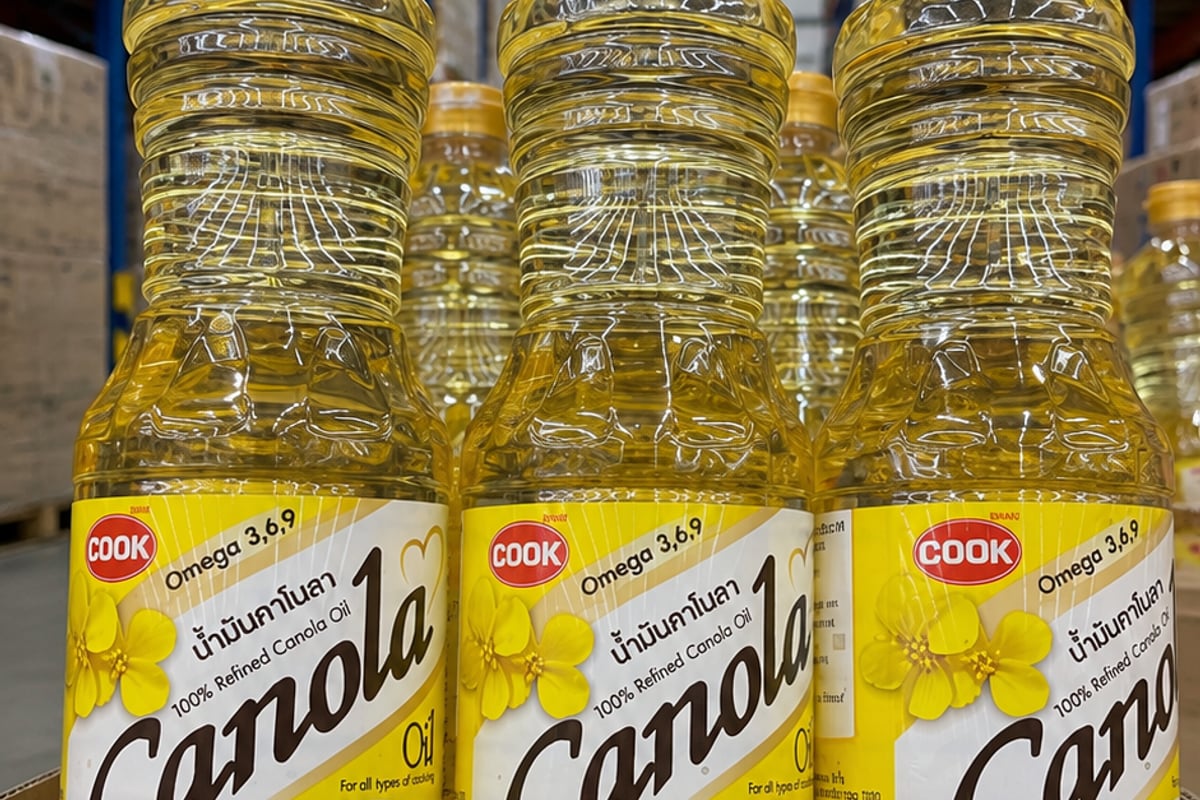
Thai Cooking Oils supplies premium-grade canola oil specifically refined for baking applications, featuring low erucic acid content and exceptional stability. Our wholesale canola oil maintains moisture content below 0.1% and free fatty acid content under 0.05%, ensuring consistent performance across diverse manufacturing processes while meeting international quality standards that food manufacturers and distributors require.
Large-scale operations benefit from oil's extended shelf life and reduced refrigeration requirements. Properly stored refined canola oil maintains quality for 12-18 months, compared to butter's more limited stability. This longevity reduces waste and improves inventory management for manufacturers producing baked goods for retail distribution.
Quality Specifications for Baking
Professional bakers should verify specific quality parameters when sourcing canola oil for production. Peroxide value indicates oxidative stability, with values under 2.0 meq O₂/kg considered optimal for baking. Free fatty acid content affects flavor stability, with lower values (below 0.05%) preventing rancidity during storage and extended shelf life.
| Quality Parameter | Optimal Range | Impact on Baking |
|---|---|---|
| Peroxide Value | < 2.0 meq O₂/kg | Prevents off-flavors |
| Free Fatty Acids | < 0.05% | Ensures stability |
| Moisture Content | < 0.1% | Prevents separation |
| Smoke Point | 400°F minimum | Withstands baking temps |
Color consistency matters for visual appeal, particularly in lightly flavored products where oil color might influence the final appearance. Refined canola oil should present as pale yellow to nearly colorless, indicating proper processing and purity.
Quality control parameters for canola oil in industrial baking: testing procedures for peroxide value, free fatty acid content, moisture analysis, and color grading
Flavor Pairing and Enhancement
The neutral flavor profile of canola oil serves as both advantage and consideration. While it won't interfere with delicate flavors, it also doesn't contribute the richness that butter provides. Baking with canola oil effectively often involves enhancing other flavors to compensate for butter's absence.
Vanilla extract, citrus zests, spices, and quality cocoa all shine more prominently in oil-based batters. Consider increasing vanilla by 25% or adding complementary extracts like almond or coconut to add depth. Spice-forward recipes like carrot cake, gingerbread, or chai-spiced muffins work exceptionally well with canola oil, as the spices provide the flavor complexity that butter might otherwise contribute.
Texture Modifications
Some recipes benefit from hybrid approaches combining canola oil with small amounts of butter. Using 75% canola oil with 25% butter (melted) delivers most of oil's health benefits and moisture retention while adding subtle butter flavor. This technique works particularly well for cookies and shortbread-style products where butter flavor is traditionally prominent.
Flavor enhancement strategies:
- Increase vanilla extract by 25-50%
- Add citrus zest for brightness
- Incorporate brown sugar for deeper flavor
- Use quality cocoa in chocolate recipes
- Consider butter flavoring for traditional tastes
Storage and Shelf Life Considerations
Products made with canola oil typically maintain freshness longer than butter-based equivalents. The oil's moisture-retaining properties keep cakes and muffins tender for days, reducing staleness that often affects butter-based goods. This extended shelf life provides practical advantages for both home bakers preparing items in advance and commercial operations managing distribution timelines.
Proper storage maximizes these benefits. Oil-based baked goods should be stored in airtight containers at room temperature for 3-5 days, or refrigerated for up to a week. Many items also freeze exceptionally well, maintaining quality for 2-3 months when properly wrapped. The absence of butter means less flavor deterioration during frozen storage.
Managing Moisture Levels
While moisture retention benefits freshness, excessive moisture can create texture issues. Understanding what canola oil does in baking helps bakers adjust recipes to achieve desired texture. If products seem too moist or dense, reduce oil by 1-2 tablespoons and increase flour slightly, or extend baking time by 2-3 minutes.
Dense, moist items like zucchini bread or banana bread particularly benefit from oil's properties but may require longer baking than butter-based versions. Use the toothpick test and internal temperature checks (200-210°F for most quick breads) rather than relying solely on recipe timing.
Troubleshooting Common Issues
Even experienced bakers encounter challenges when adapting recipes. Excessive spreading in cookies usually indicates too much oil or insufficient flour. Reduce oil by 1 tablespoon per cup called for in the recipe, or increase flour by 2-3 tablespoons. Chilling the dough for 30 minutes before baking also helps control spread.
Greasy texture in cakes or muffins suggests over-lubrication. When replacing vegetable oil with canola oil in baking, remember that even though they're interchangeable, both liquid fats require precise measurement. Too much of any oil creates heavy, greasy products. Measure carefully and consider reducing by 1-2 tablespoons if texture issues persist.
Dense or gummy texture typically results from overmixing once flour is added. Unlike butter-based batters that tolerate more mixing, oil-based batters develop gluten quickly. Mix only until ingredients are just combined, accepting a few small lumps rather than over-working the batter.
Adjusting for Altitude and Climate
High-altitude baking with canola oil may require additional modifications. The reduced air pressure affects moisture evaporation and leavening. Decrease oil by 1-2 tablespoons, increase flour by 2-3 tablespoons, and raise oven temperature by 15-25°F. These adjustments prevent excessive moisture retention that altitude already encourages.
Humid climates present opposite challenges. Flour absorbs atmospheric moisture, potentially requiring slight reductions in liquid ingredients. If batter seems too thin or products take longer to set, reduce oil by 1 tablespoon and monitor results, adjusting future batches accordingly.
Professional Recipe Development
Food manufacturers developing new products with canola oil should conduct thorough testing across production batches. Small variations in oil quality, flour protein content, or mixing time can affect consistency at scale. Comprehensive guides on using canola oil for baking emphasize starting with proven formulations before attempting custom development.
Document everything during development: specific oil specifications, exact measurements, mixing times and speeds, oven temperatures, and baking durations. This documentation ensures reproducibility and simplifies troubleshooting when scaling from test batches to full production runs.
Development checklist:
- Source consistent, quality-certified canola oil
- Test recipes in small batches first
- Document all parameters precisely
- Conduct sensory evaluation panels
- Test shelf life under realistic conditions
- Scale gradually to production volumes
Consumer Preferences and Market Trends
Consumer demand for healthier baked goods continues growing in 2026. Products featuring "made with canola oil" or "low saturated fat" appeal to health-conscious buyers. Transparent labeling that highlights nutritional benefits helps differentiate products in competitive markets. However, taste and texture remain paramount – health benefits won't overcome inferior quality.
Market research indicates consumers accept slight texture differences when health benefits are clearly communicated. Oil-based cakes described as "extra moist" or "tender crumb" frame the textural difference positively rather than as a compromise. This messaging helps consumers understand what to expect while emphasizing advantages.
Combining Canola Oil with Other Ingredients
Successful baking with canola oil often involves optimizing complementary ingredients. Eggs provide structure that oil alone cannot, so recipes should maintain adequate egg content. For vegan applications, flax eggs or commercial egg replacers help compensate, though texture will differ from traditional formulations.
Leavening agents require careful calibration. Oil-based batters don't trap air through creaming, relying entirely on chemical leavening for rise. Ensure baking powder and baking soda are fresh and used in appropriate quantities. Too little produces dense results; too much creates coarse texture and potential collapse.
Flour selection impacts texture significantly. All-purpose flour works well for most applications, but cake flour produces more delicate results in fine-textured cakes. Whole wheat flour absorbs more liquid, requiring slight oil increases (1-2 tablespoons per cup of whole wheat flour substituted).
Enhancing Structure
Adding Greek yogurt or sour cream (2-4 tablespoons per cake) improves structure while maintaining moisture. These ingredients contribute protein and acidity that enhance tenderness and flavor. The combination of canola oil's moisture retention with yogurt's structure-building properties often produces superior results to either ingredient alone.
Buttermilk serves similar functions while adding tangy flavor that complements many recipes. When using acidic dairy, ensure proper baking soda quantity to neutralize acidity and provide adequate rise. Generally, use 1/4 teaspoon baking soda per cup of buttermilk.
Cost Analysis for Commercial Operations
For food manufacturers and bakeries, ingredient costs significantly impact profitability. Canola oil pricing fluctuates with commodity markets but generally offers cost advantages over butter, particularly when factoring in butter's premium during supply constraints. Oil's extended shelf life and temperature-stable storage reduce operational costs associated with refrigeration and waste.
Labor efficiency improves with oil-based formulations. No softening time required means faster production starts. Simpler mixing processes reduce equipment wear and operator time. These factors compound across high-volume operations, creating meaningful cost savings beyond ingredient pricing alone.
| Cost Factor | Butter | Canola Oil | Advantage |
|---|---|---|---|
| Ingredient Cost | Higher | Lower | Oil |
| Storage Requirements | Refrigeration | Ambient | Oil |
| Shelf Life | 3-6 months | 12-18 months | Oil |
| Handling Time | Softening needed | Ready to use | Oil |
| Health Marketing | Limited | Strong | Oil |
Baking with canola oil offers compelling advantages for both artisan bakers and large-scale food manufacturers, from superior moisture retention and extended shelf life to significant health benefits that resonate with today's consumers. Whether you're reformulating classic recipes or developing new products, understanding proper substitution ratios, mixing techniques, and quality specifications ensures consistent, high-quality results. Thai Cooking Oils provides premium refined canola oil meeting stringent international standards, supporting food manufacturers, distributors, and commercial bakeries worldwide with reliable supply, consistent quality, and technical expertise for successful product development.
