

Soybean oil has become one of the most widely consumed vegetable oils globally, accounting for approximately 30% of worldwide edible oil production. Extracted from the seeds of the soybean plant, this versatile oil serves countless applications across food manufacturing, institutional cooking, and household kitchens. Its balanced nutritional profile, high smoke point, and neutral flavor make it an essential ingredient for food processors, distributors, and culinary professionals seeking reliable, cost-effective cooking solutions. Understanding the properties, benefits, and optimal uses of soybean oil enables businesses to make informed sourcing decisions that align with both operational requirements and consumer preferences.
Nutritional Composition and Health Properties
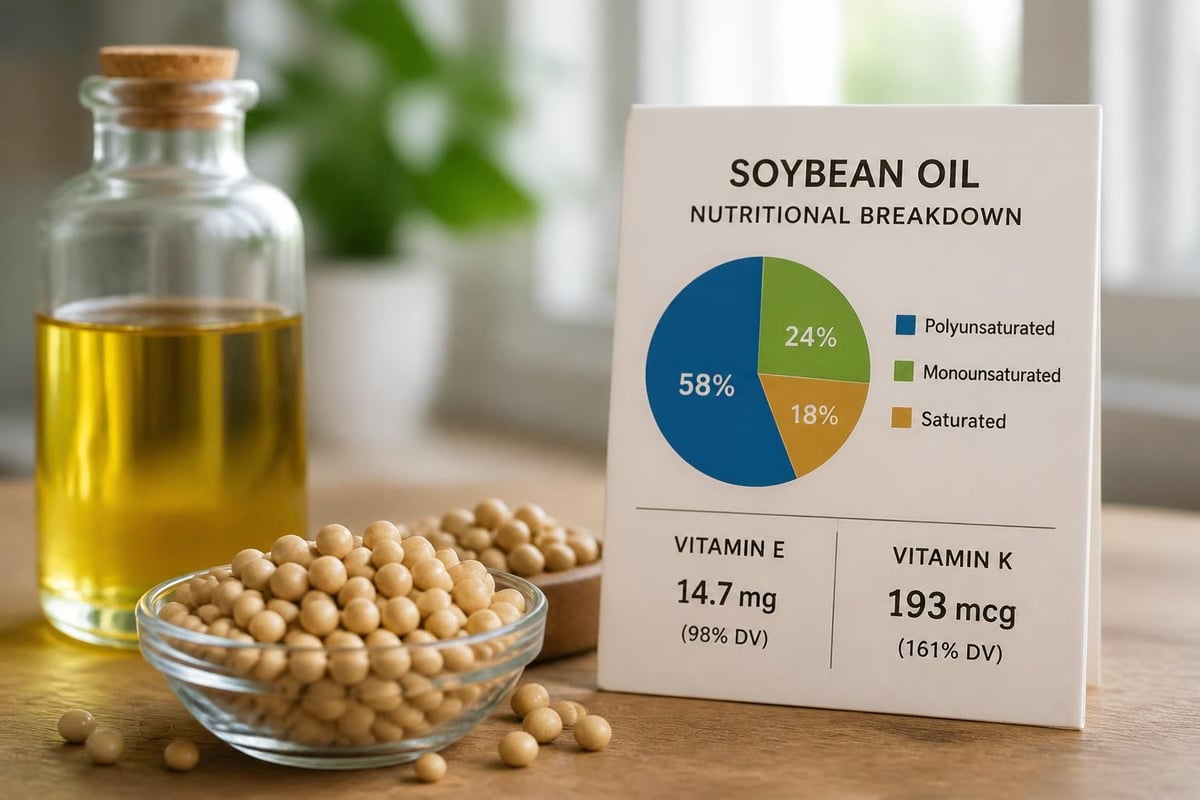
Soybean oil contains a distinctive fatty acid profile that differentiates it from other vegetable oils. The oil consists of approximately 61% polyunsaturated fatty acids, 24% monounsaturated fatty acids, and 15% saturated fatty acids. This composition includes significant amounts of omega-6 linoleic acid and omega-3 alpha-linolenic acid, making it one of the few commonly available oils that naturally provides both essential fatty acids.
The health benefits of soybean oil extend beyond its fatty acid profile. Each tablespoon provides approximately 25% of the daily recommended intake of vitamin E, a powerful antioxidant that supports cellular health. The oil also contains vitamin K, which plays a crucial role in blood clotting and bone metabolism.
Cardiovascular Health Considerations
Research indicates that replacing saturated fats with polyunsaturated fats from sources like soybean oil may support cardiovascular health. The American Heart Association recognizes oils high in polyunsaturated fats as preferable alternatives to tropical oils and animal fats. Studies on soybean oil’s cardiovascular effects suggest that its fatty acid composition may help maintain healthy cholesterol levels when incorporated into a balanced diet.
However, the high omega-6 content has generated discussion within nutritional science communities. While omega-6 fatty acids are essential nutrients, maintaining an appropriate balance with omega-3 intake remains important for optimal health outcomes. Food manufacturers should consider this ratio when formulating products for health-conscious consumers.
Industrial Production and Refining Processes
Modern soybean oil production follows sophisticated industrial processes designed to maximize yield while ensuring safety and quality. The journey from soybean to finished oil involves multiple stages, each critical to the final product's characteristics.
Extraction Methods
Commercial producers employ two primary extraction methods:
- Mechanical pressing: Traditional method using expeller presses to physically squeeze oil from prepared soybeans
- Solvent extraction: Modern technique using hexane to dissolve and separate oil from defatted meal
- Combined approach: Initial mechanical pressing followed by solvent extraction to maximize recovery
The soybean oil production process typically achieves oil recovery rates exceeding 99% through solvent extraction, compared to 60-70% from mechanical pressing alone. This efficiency makes solvent extraction the preferred method for large-scale commercial operations.
Refining Stages
Crude soybean oil undergoes comprehensive refining to remove impurities and enhance stability:
- Degumming: Removes phospholipids and other gum-like substances
- Neutralization: Eliminates free fatty acids through alkali treatment
- Bleaching: Reduces color pigments and removes trace metals
- Deodorization: Eliminates volatile compounds affecting taste and smell
- Winterization: Optional step to improve cold storage stability
| Refining Stage | Purpose | Key Parameters |
|---|---|---|
| Degumming | Phospholipid removal | Temperature: 70-90°C |
| Neutralization | FFA reduction | Caustic addition: 12-18% |
| Bleaching | Color improvement | Clay usage: 0.5-2% |
| Deodorization | Flavor/odor removal | Temperature: 240-260°C |
The refined product meets strict international standards for moisture content, free fatty acid levels, and peroxide values, ensuring consistent performance across diverse applications.
Culinary Applications and Performance Characteristics
Soybean oil's functional properties make it suitable for numerous cooking methods and food processing applications. Its smoke point of approximately 450°F (232°C) for refined varieties enables high-temperature cooking without degradation or off-flavors.
Commercial Food Manufacturing
Food processors value soybean oil for several operational advantages:
Versatility in formulations: The neutral flavor profile doesn't interfere with product taste, making it ideal for baked goods, salad dressings, mayonnaise, and processed foods. Manufacturers can standardize recipes without flavor adjustments across production runs.
Emulsification properties: Natural lecithin content supports emulsion stability in products like margarine and spreads, reducing the need for additional emulsifiers and simplifying ingredient declarations.
Cost efficiency: As one of the most abundantly produced oils globally, soybean oil often provides favorable pricing for large-volume purchasers compared to specialty oils.
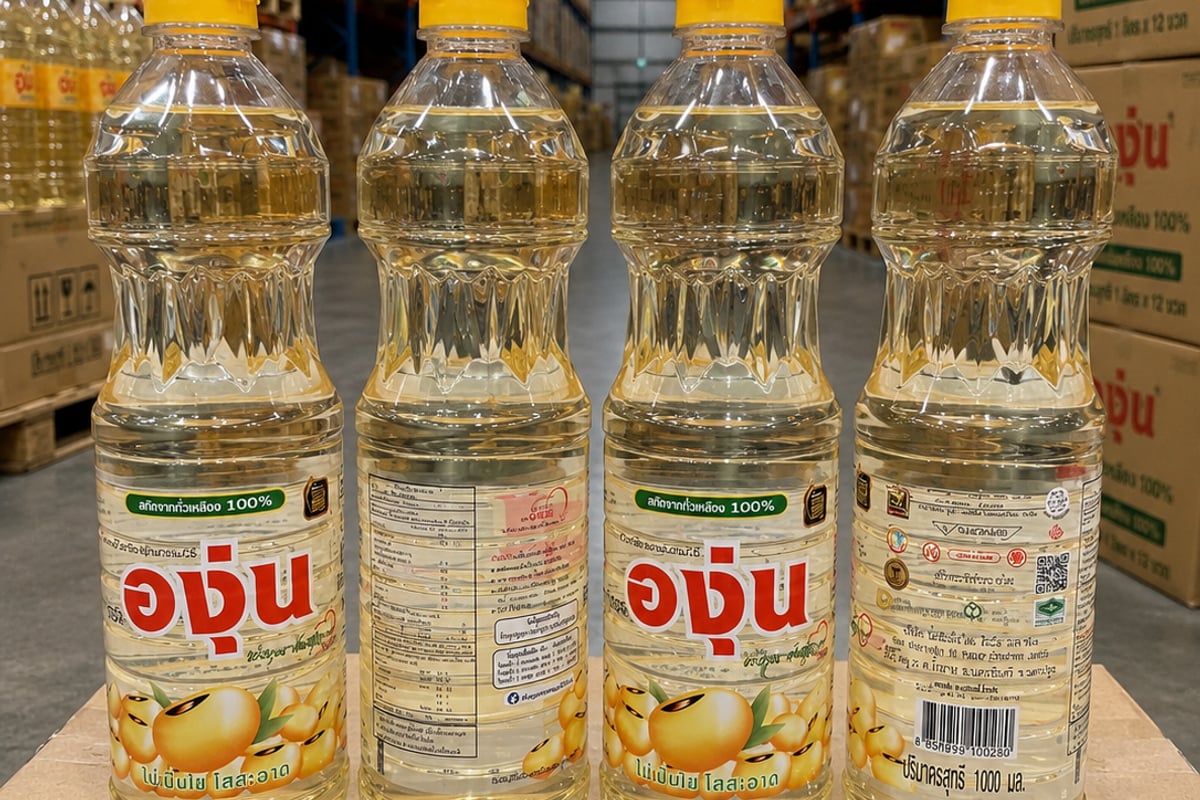
Thai Cooking Oils offers premium RBD soybean oil processed to preserve nutritional benefits while meeting international quality standards. Our refined soybean oil undergoes rigorous testing to ensure consistent performance for food manufacturers requiring reliable specifications batch after batch.
Restaurant and Institutional Cooking
Commercial kitchens utilize soybean oil extensively for:
- Deep frying operations requiring stable oil with minimal flavor transfer
- Griddle cooking and sautéing applications
- Salad dressing and sauce preparation
- General-purpose cooking oil for diverse menu items
The oil's performance in prolonged frying applications depends on proper temperature control and filtration practices. Operators should monitor total polar compounds to determine optimal oil change intervals, typically when levels exceed 24-27%.

Comparison with Alternative Vegetable Oils
Understanding how soybean oil compares to other options helps businesses select the most appropriate oil for specific applications. Each vegetable oil offers distinct characteristics that may suit particular processing requirements or market preferences.
Nutritional Profile Comparison
| Oil Type | Smoke Point | Omega-6 (%) | Omega-3 (%) | Saturated Fat (%) |
|---|---|---|---|---|
| Soybean | 450°F | 51 | 7 | 15 |
| Canola | 400°F | 19 | 9 | 7 |
| Sunflower | 440°F | 65 | <1 | 10 |
| Corn | 450°F | 54 | <1 | 13 |
| Palm | 450°F | 10 | <1 | 49 |
Canola oil provides a more favorable omega-6 to omega-3 ratio and lower saturated fat content, making it attractive for heart-health positioning. Meanwhile, refined sunflower oil offers excellent oxidative stability with minimal flavor impact.
The choice between oils often depends on regional preferences, regulatory requirements, and specific functional needs. Palm oil’s unique properties make it suitable for applications requiring solid fat at room temperature, while soybean oil excels in liquid formulations.
Quality Standards and Specifications
International trade in soybean oil relies on established quality parameters that ensure product consistency and safety. Buyers should verify suppliers meet recognized standards before committing to large purchases.
Key Quality Indicators
Physical properties: Color (measured in Lovibond scale), clarity, and odor provide immediate quality assessment. Premium refined soybean oil appears light yellow to clear with minimal odor.
Chemical specifications: Free fatty acid content below 0.05%, peroxide value under 2.0 meq O2/kg, and moisture content not exceeding 0.1% indicate proper refining and storage.
Stability metrics: Iodine value (typically 120-141) indicates unsaturation level, while cold test results determine low-temperature stability for refrigerated applications.
Reputable suppliers provide comprehensive certificates of analysis documenting compliance with international standards such as Codex Alimentarius. Understanding quality parameters helps importers and distributors maintain product integrity throughout the supply chain.
Storage and Handling Requirements
Proper storage preserves soybean oil quality during warehousing and distribution:
- Maintain storage temperatures between 60-75°F (15-24°C)
- Protect from direct sunlight and fluorescent lighting
- Use nitrogen blanketing for bulk storage tanks
- Implement first-in, first-out inventory rotation
- Monitor for oxidation through regular peroxide testing
Industry best practices recommend consumption within 12 months of production for optimal freshness, though properly stored refined oil may maintain acceptable quality for longer periods.
Environmental and Sustainability Considerations
Soybean cultivation and oil production carry environmental implications that increasingly influence purchasing decisions. Corporate sustainability commitments and consumer preferences drive demand for responsibly sourced vegetable oils.
Agricultural Impact
Soybean farming spans millions of acres globally, with major production concentrated in the United States, Brazil, and Argentina. Environmental concerns include:
Land use: Expansion of soybean cultivation has historically contributed to deforestation in sensitive ecosystems, particularly in South American regions.
Water consumption: Irrigation requirements vary by region, with some growing areas dependent on significant water inputs during critical growth periods.
Agrochemical usage: Conventional soybean production typically involves herbicides, pesticides, and synthetic fertilizers that may impact surrounding ecosystems.
Sustainable Sourcing Initiatives
Forward-thinking buyers increasingly seek certified sustainable soybean oil through programs like:
- Round Table on Responsible Soy (RTRS) certification
- ProTerra sustainability standard
- Organic certification programs
- Non-GMO Project verification
These certifications provide third-party verification of environmental stewardship, social responsibility, and traceability throughout the supply chain. Working with responsible suppliers helps businesses meet corporate sustainability goals while addressing stakeholder expectations.
Market Trends and Future Outlook
The global soybean oil market continues evolving in response to shifting consumer preferences, regulatory changes, and technological innovations. Understanding these trends helps businesses anticipate future supply dynamics and market opportunities.
Health and Wellness Movement
Consumer interest in healthier cooking oils influences product formulations across food categories. While soybean oil remains cost-effective and functional, some manufacturers explore alternative oils perceived as more nutritious or natural.
Considerations about soybean oil consumption focus on omega-6 content and processing methods. Transparent communication about refining processes and nutritional attributes helps address consumer questions.
Innovation in Processing Technology
Advances in oil extraction and modification expand soybean oil applications:
Enzymatic degumming: Newer techniques improve phospholipid removal efficiency while reducing chemical inputs and processing waste.
Interesterification: Chemical or enzymatic modification alters fatty acid positioning without creating trans fats, enabling solid fat alternatives for specific applications.
Fortification options: Adding vitamins A and D creates nutritionally enhanced oils suitable for markets with micronutrient deficiency concerns.

Regional Market Dynamics
Demand patterns vary significantly across global markets:
- Asia-Pacific: Rapidly growing consumption driven by population growth and increasing prosperity
- North America: Mature market with stable demand and focus on domestic production
- Europe: Emphasis on sustainability certification and traceability
- Latin America: Major production region with expanding domestic consumption
- Africa: Emerging market with growing edible oil imports
Exporters must understand regional preferences, quality expectations, and regulatory requirements to successfully serve diverse markets. Flexible packaging options accommodate different distribution channels and customer specifications.
Regulatory Framework and Labeling Requirements
International trade in soybean oil operates within complex regulatory environments that vary by destination market. Compliance with local requirements protects businesses from costly delays and rejections.
Food Safety Standards
Major importing regions maintain specific requirements:
United States: FDA regulates soybean oil as Generally Recognized As Safe (GRAS). Detailed information on soybean oil uses and safety helps manufacturers navigate compliance requirements.
European Union: Comprehensive regulations cover maximum contaminant levels, labeling requirements, and traceability documentation.
Asian markets: Standards vary significantly, with some countries requiring specific testing protocols or certification procedures.
Labeling and Declaration
Accurate product labeling ensures regulatory compliance and consumer transparency:
- Country of origin designation
- Nutritional information panel
- Allergen statements (when applicable)
- GMO status disclosure (where required)
- Processing method indication
- Best-before dating
Working with experienced suppliers familiar with destination market requirements simplifies compliance and reduces risk of costly errors.
Practical Sourcing Considerations for Buyers
Successfully sourcing quality soybean oil requires attention to multiple factors beyond price alone. Importers, distributors, and food manufacturers should evaluate potential suppliers comprehensively.
Supplier Evaluation Criteria
Quality assurance systems: Verify ISO 22000, HACCP, or equivalent food safety certifications demonstrate commitment to consistent quality.
Production capacity: Ensure supplier can reliably meet volume requirements with appropriate backup capabilities for demand fluctuations.
Technical support: Access to application specialists and quality troubleshooting resources adds value beyond commodity pricing.
Logistics capabilities: Efficient container loading, documentation preparation, and shipping coordination minimize transit times and complications.
Price Structure Understanding
Soybean oil pricing reflects multiple variables:
- Commodity market fluctuations for soybeans
- Processing costs and energy inputs
- Transportation and logistics expenses
- Currency exchange rate impacts
- Volume discounts and contract terms
Buyers benefit from understanding these factors when negotiating contracts and managing budget expectations. Long-term supply agreements can provide price stability compared to spot market purchases.
Requesting detailed quotes with transparent pricing breakdowns enables accurate cost comparisons between potential suppliers.
Applications Beyond Food Use
While primarily recognized as an edible oil, soybean oil serves numerous industrial applications that create additional market demand and influence overall pricing dynamics.
Industrial and Technical Uses
Biodiesel production: Converting soybean oil into renewable fuel represents significant demand, particularly in regions with biofuel mandates or incentives.
Printing inks: Soy-based inks offer environmental advantages over petroleum-based alternatives for commercial printing applications.
Lubricants and hydraulic fluids: Bio-based formulations utilizing soybean oil provide biodegradability benefits for environmentally sensitive applications.
Plastics and polymers: Chemical processing transforms soybean oil into building blocks for bio-based materials and coatings.
These alternative applications influence the overall supply-demand balance for soybean oil, potentially affecting availability and pricing for food industry buyers during periods of high industrial demand.
Soybean oil's combination of nutritional benefits, functional versatility, and cost efficiency makes it an enduring choice for food manufacturers, distributors, and culinary professionals worldwide. Whether you need reliable bulk supplies for food processing, consistent quality for restaurant operations, or certified sustainable options for branded products, Thai Cooking Oils delivers premium refined soybean oil and other high-quality vegetable oils backed by rigorous quality control and responsive customer service. Contact our team today to discuss your specific requirements and receive a customized quotation for your next shipment.
