

Coconut oil has emerged as one of the most discussed cooking fats in commercial kitchens and food manufacturing facilities worldwide. Its unique composition, distinct flavor profile, and versatile applications make it a valuable option for professionals seeking alternatives to traditional vegetable oils. Understanding how to properly use coconut oil for cooking food requires knowledge of its chemical properties, smoke point characteristics, and appropriate culinary applications. As food manufacturers, restaurant operators, and distributors evaluate their oil portfolios in 2026, coconut oil continues to present both opportunities and considerations that merit careful examination.
Chemical Composition and Heat Stability
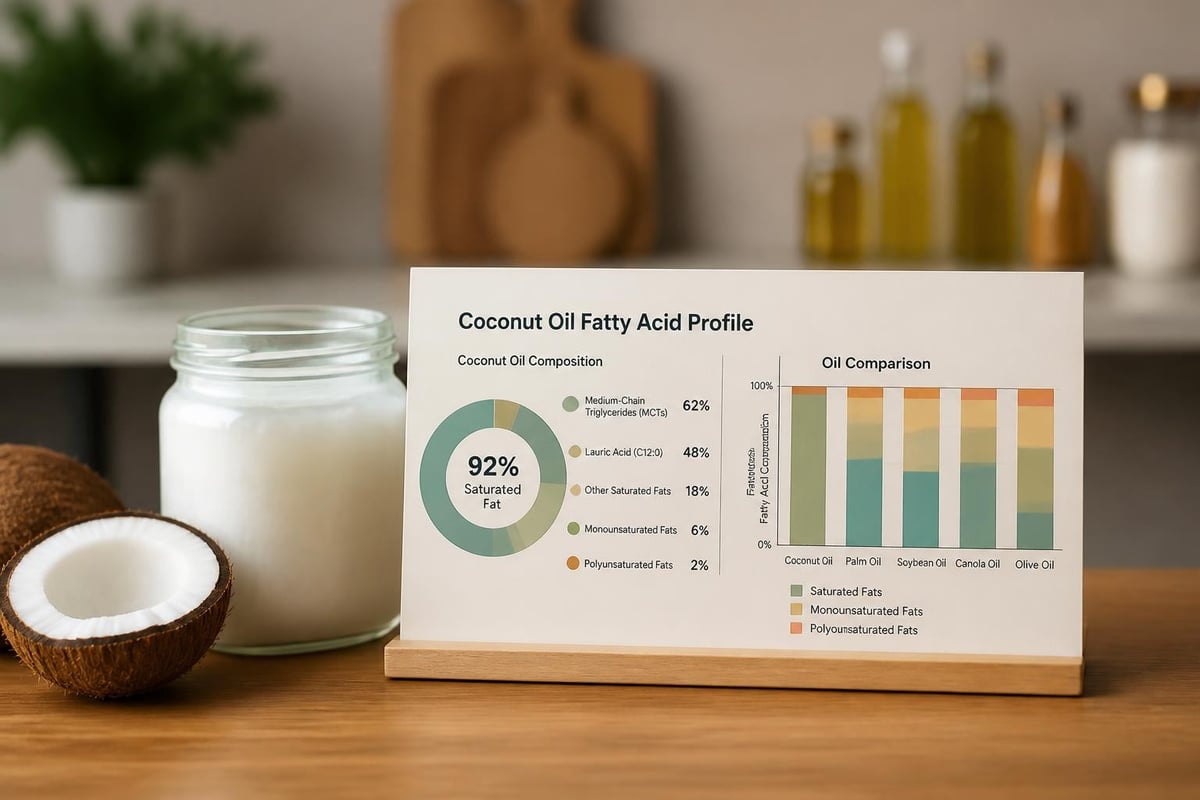
Coconut oil stands apart from most vegetable oils due to its exceptionally high saturated fat content, typically ranging between 82% and 92%. This saturation level contributes directly to the oil's solid state at room temperature and its remarkable stability under heat. The predominant fatty acids in coconut oil are medium-chain triglycerides (MCTs), particularly lauric acid, which comprises approximately 50% of the total fat content.
Smoke Point Characteristics
When evaluating coconut oil for cooking food in high-temperature applications, the smoke point becomes a critical specification. Refined coconut oil exhibits a smoke point of approximately 400°F to 450°F (204°C to 232°C), making it suitable for most sautéing, baking, and moderate frying operations. Virgin or unrefined coconut oil, however, demonstrates a lower smoke point around 350°F (177°C), limiting its use in high-heat cooking methods.
Key temperature thresholds for coconut oil applications:
- Light sautéing: 250°F to 300°F (121°C to 149°C)
- Medium-heat cooking: 300°F to 350°F (149°C to 177°C)
- Deep frying (refined only): 350°F to 400°F (177°C to 204°C)
- Baking applications: 325°F to 375°F (163°C to 191°C)
The high saturated fat content prevents rapid oxidation during heating, which translates to extended shelf stability and reduced formation of harmful compounds during cooking processes. This characteristic makes refined coconut oil particularly valuable for food manufacturers requiring consistent performance across multiple production runs.

Culinary Applications and Flavor Considerations
Coconut oil for cooking food introduces distinct flavor notes that can either enhance or complicate recipe development. Virgin coconut oil carries pronounced tropical, nutty flavors that work exceptionally well in Southeast Asian cuisines, baked goods, and specific confectionery applications. Refined coconut oil undergoes processing that removes most of these flavor compounds, resulting in a neutral profile suitable for general cooking purposes.
Commercial Kitchen Applications
Food service operations commonly deploy coconut oil across several preparation methods. The oil's solid-to-liquid transition at approximately 76°F (24°C) creates interesting textural possibilities in chocolate work, energy bars, and coating applications. For deep frying operations, refined coconut oil provides stability but requires careful cost analysis against alternatives.
Professional kitchens should consider these application categories:
- High-heat stir-frying using refined coconut oil in wok cooking
- Baking replacements where coconut oil substitutes butter at 1:1 ratios
- Vegan formulations requiring plant-based solid fats
- Confectionery production leveraging the oil's melting characteristics
- Asian cuisine preparation where coconut flavor complements traditional recipes
The transition temperature also affects handling logistics. Distribution centers in warmer climates manage liquid coconut oil, while cooler regions receive solid product requiring different pumping and transfer systems. Food manufacturers must account for these physical properties when designing production workflows and storage infrastructure.
Nutritional Profile and Health Considerations
The health implications of coconut oil for cooking food remain subject to ongoing scientific debate. While some proponents emphasize the oil's MCT content and potential metabolic benefits, mainstream health organizations express concerns about its saturated fat levels. Research on coconut oil’s health effects presents a nuanced picture that food professionals should understand when making procurement decisions.
Saturated Fat Content Analysis
| Component | Percentage | Health Consideration |
|---|---|---|
| Saturated Fat | 82-92% | Raises LDL cholesterol in some studies |
| Monounsaturated Fat | 5-8% | Generally considered heart-healthy |
| Polyunsaturated Fat | 1-3% | Contains essential fatty acids |
| Lauric Acid (C12:0) | ~50% | May raise both LDL and HDL cholesterol |
The American Heart Association and similar organizations recommend limiting saturated fat intake to less than 6% of total daily calories. This guidance has led many institutional food service operations to carefully evaluate coconut oil use against alternatives with lower saturated fat profiles. Understanding how coconut oil compares to olive oil helps procurement managers make informed decisions aligned with nutritional goals.
Medium-Chain Triglyceride Benefits
Despite saturated fat concerns, coconut oil's MCT content offers distinct metabolic characteristics. These shorter-chain fatty acids are absorbed directly into the bloodstream and transported to the liver, where they're rapidly converted to energy rather than stored as fat. Food manufacturers targeting ketogenic, paleo, or performance nutrition markets often highlight this property in product formulations.
Research suggests MCTs may support:
- Faster energy availability compared to long-chain triglycerides
- Potential appetite suppression in some individuals
- Possible thermogenic effects requiring additional study
- Alternative fuel source for specialized dietary protocols
Sourcing and Quality Specifications
Commercial buyers evaluating coconut oil for cooking food must navigate complex sourcing considerations. Production methods, origin countries, refining processes, and certification requirements all impact final product quality and price points. Thailand, Philippines, Indonesia, and Sri Lanka dominate global coconut oil production, each offering distinct supply chain characteristics.
Refined Versus Virgin Coconut Oil
The refining process fundamentally alters coconut oil's characteristics, creating two distinct product categories for commercial applications:
Refined Coconut Oil (RBD – Refined, Bleached, Deodorized):
- Neutral flavor and aroma suitable for general cooking
- Higher smoke point supporting high-temperature applications
- Extended shelf life due to removal of moisture and impurities
- Lower cost per unit compared to virgin varieties
- Consistent batch-to-batch performance
Virgin/Extra Virgin Coconut Oil:
- Distinct coconut flavor and aroma
- Minimal processing preserving natural compounds
- Lower smoke point limiting high-heat applications
- Premium pricing reflecting limited processing
- Variable characteristics based on production methods
Food manufacturers requiring predictable performance across large production volumes typically specify refined coconut oil. Specialty food brands targeting natural or minimally processed positioning may accept the higher costs and handling requirements associated with virgin coconut oil. Understanding Thailand’s role as a global coconut oil hub provides context for sourcing decisions.
Quality Control and Testing Parameters
Importers and distributors should establish rigorous quality specifications when purchasing bulk coconut oil for cooking food. Standard testing parameters ensure consistency and food safety across shipments.
| Test Parameter | Refined Coconut Oil Spec | Virgin Coconut Oil Spec |
|---|---|---|
| Free Fatty Acid (FFA) | <0.1% as lauric acid | <0.5% as lauric acid |
| Peroxide Value | <3.0 meq/kg | <5.0 meq/kg |
| Moisture Content | <0.1% | <0.2% |
| Iodine Value | 7.5-10.5 | 7.5-10.6 |
| Saponification Value | 250-260 | 250-260 |
| Color (Lovibond) | <1.0 Red, <10 Yellow | Variable |
These specifications align with Codex Alimentarius standards and most international food safety requirements. Buyers should request certificates of analysis (COA) for each shipment and conduct periodic independent verification testing to confirm supplier compliance.
Storage and Handling Best Practices
Proper storage extends coconut oil shelf life and maintains quality characteristics essential for consistent cooking performance. The oil's physical state changes with ambient temperature create unique handling requirements compared to liquid vegetable oils.
Temperature-Controlled Storage
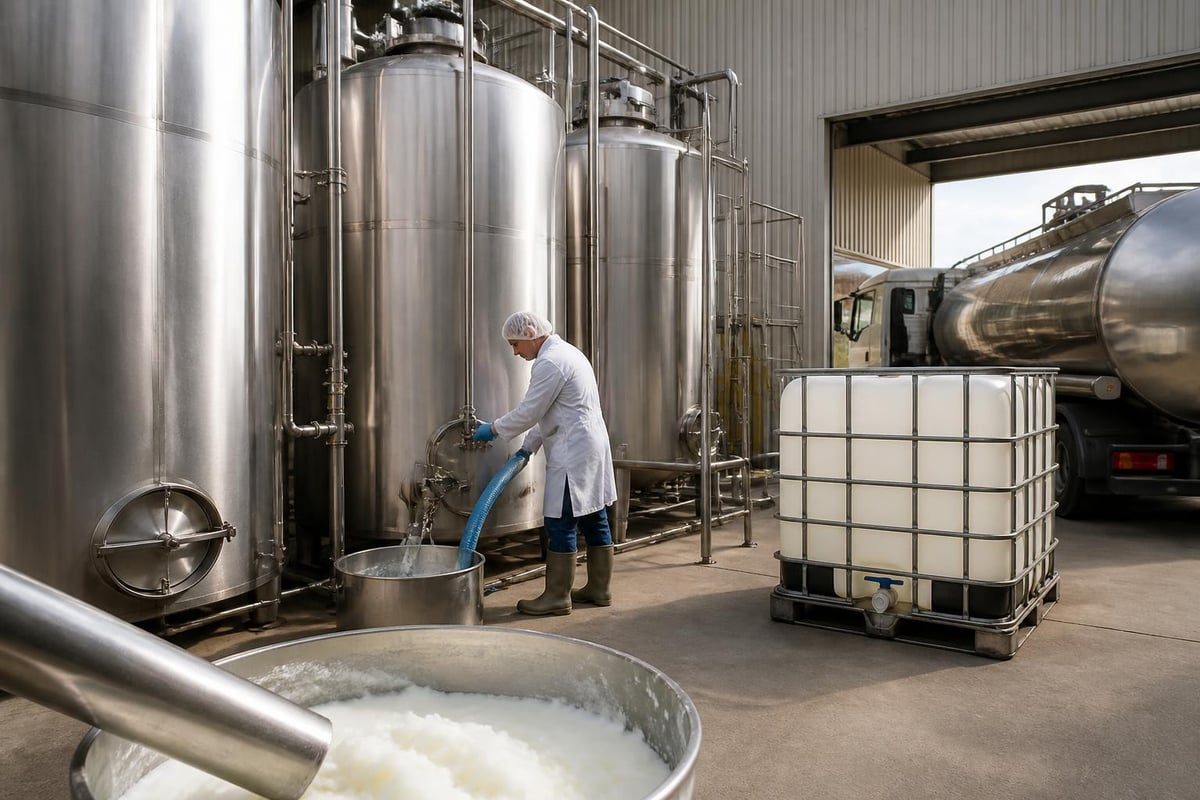
Coconut oil remains liquid above 76°F (24°C) and solidifies below this threshold. Food service operations and manufacturing facilities should establish appropriate storage protocols based on usage patterns. Liquid storage simplifies pumping and dispensing but requires climate control in cooler environments. Solid storage reduces equipment requirements but necessitates melting procedures before use.
Optimal storage conditions include:
- Temperature range: 68°F to 75°F (20°C to 24°C) for semi-solid state
- Protection from direct sunlight to prevent photo-oxidation
- Sealed containers preventing moisture absorption
- Separation from strong-odor products avoiding flavor contamination
- Regular inventory rotation using first-in-first-out (FIFO) protocols
The oil's saturated fat content provides natural oxidative stability, typically yielding shelf life of 18 to 24 months under proper storage conditions. This extended stability makes coconut oil attractive for emergency food supplies and long-term ingredient inventories.
Cost Analysis and Economic Considerations
Coconut oil for cooking food typically commands premium pricing compared to commodity vegetable oils. Food service operators and manufacturers must evaluate whether functional benefits and market positioning justify increased ingredient costs. Price volatility linked to coconut harvest cycles, currency fluctuations, and global demand patterns requires careful procurement planning.
Price Comparison Framework
Current market dynamics in 2026 show coconut oil pricing approximately 40% to 90% higher than refined palm oil and 20% to 50% above refined sunflower oil on a per-pound basis. These differentials fluctuate based on origin, processing level, certification requirements, and order volumes.
Budget-conscious operations often maintain diversified oil inventories, deploying coconut oil strategically where its properties deliver clear advantages while using more economical alternatives for general applications. This approach optimizes ingredient costs without sacrificing product quality in applications where coconut oil adds distinct value.
Sustainability and Ethical Sourcing
Environmental and social considerations increasingly influence coconut oil procurement decisions. Concerns about monoculture farming, habitat destruction, and labor practices in coconut-producing regions have prompted development of certification programs addressing sustainability.
Certification Programs
Food companies committed to responsible sourcing evaluate suppliers based on recognized certification standards:
- Organic certification verifying production without synthetic pesticides or fertilizers
- Fair Trade certification ensuring equitable farmer compensation and working conditions
- Non-GMO verification confirming absence of genetic modification in production
- Rainforest Alliance certification addressing environmental and social sustainability
- ISO 22000/FSSC 22000 demonstrating food safety management systems
These certifications typically add 10% to 30% to base coconut oil costs but provide market differentiation and align with corporate sustainability commitments. Distributors serving environmentally conscious markets should evaluate which certifications deliver meaningful value to their customer base.
Blending and Formulation Strategies
Advanced food manufacturers leverage coconut oil's unique properties through strategic blending with complementary oils. These formulations balance cost, nutrition, functionality, and flavor objectives impossible to achieve with single-oil systems.
Multi-Oil Blend Applications
Combining coconut oil for cooking food with oils featuring different fatty acid profiles creates customized performance characteristics:
- Coconut-sunflower blends reducing saturated fat while maintaining heat stability
- Coconut-olive combinations balancing flavor complexity with cost management
- Coconut-palm mixtures optimizing solid fat content for specific applications
- Coconut-rice bran formulations enhancing nutritional profiles with antioxidants
Blending requires precise ratio control and thorough mixing to ensure homogeneous distribution. Food manufacturers developing proprietary blends should conduct stability testing across expected storage conditions and shelf life durations. Understanding how different oils perform under high heat informs optimal blend ratios for specific applications.
Regulatory Compliance and Labeling Requirements
Food businesses using coconut oil for cooking food must navigate complex labeling regulations varying by jurisdiction. Transparency requirements regarding saturated fat content, allergen status, and origin claims affect package design and marketing communications.
Nutritional Labeling Standards
United States FDA regulations require clear declaration of saturated fat content per serving, with coconut oil's high levels often triggering consumer warnings on nutrition facts panels. European Union regulations similarly mandate prominent saturated fat disclosure. Food manufacturers should work with regulatory specialists ensuring compliance across target markets.
Key labeling considerations:
- Saturated fat content prominently displayed per serving
- Calorie density clearly communicated (coconut oil contains 120 calories per tablespoon)
- Origin claims substantiated with documentation
- Processing method disclosures (refined vs. virgin) where required
- Allergen statements addressing potential cross-contamination
Many jurisdictions now prohibit or restrict health claims related to coconut oil due to ongoing scientific debate about cardiovascular effects. Marketing teams should review claim substantiation requirements before developing promotional materials.
Alternative Oils for Specific Applications
While coconut oil offers distinct advantages for certain applications, food professionals should maintain awareness of alternative oils potentially delivering superior performance or economics for specific use cases. Evaluating oils based on smoke point, fatty acid profile, flavor contribution, and cost creates opportunities for optimization.
For operations requiring neutral-flavored oils with excellent heat stability at lower cost points, canola oil provides compelling value. Its low saturated fat content addresses health concerns while maintaining smoke points suitable for most cooking methods. The oil features low saturated fat content, high smoke point of 400°F (204°C), and neutral flavor profile ideal for various manufacturing processes.
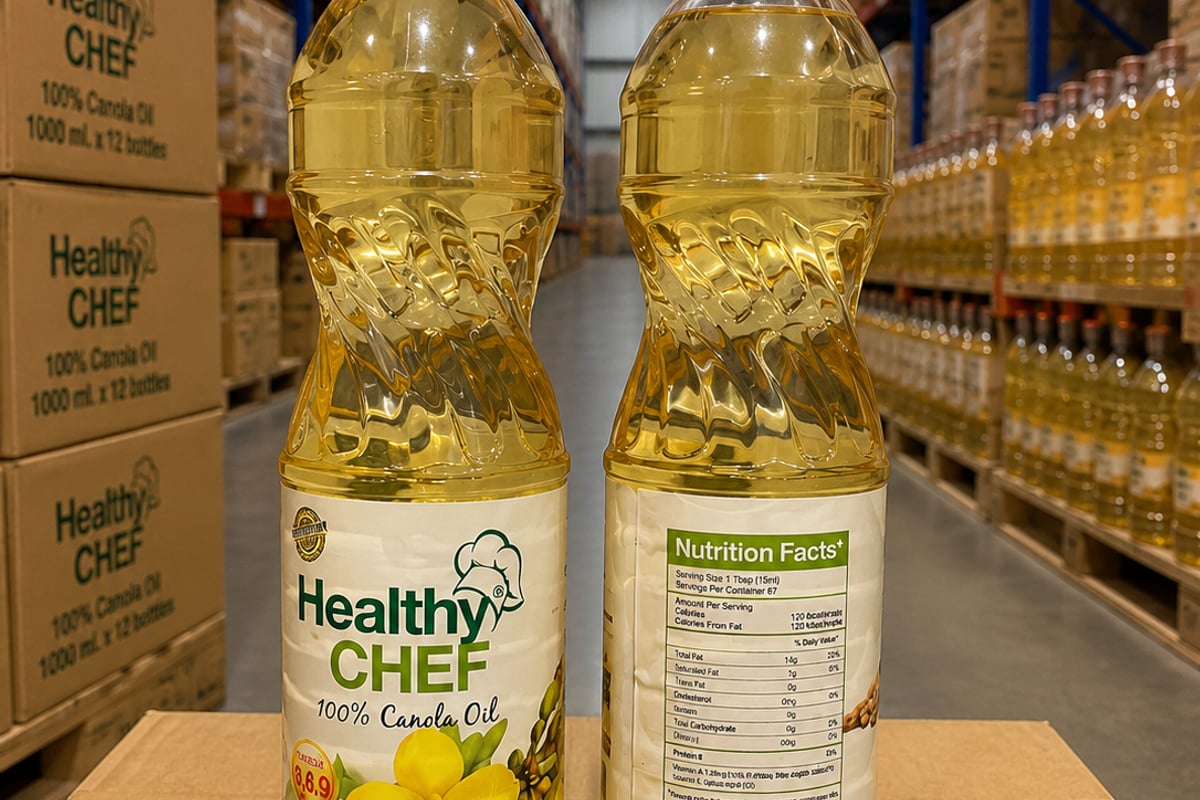
Food manufacturers seeking balanced nutrition profiles often specify canola oil for applications where coconut flavor isn't required. This strategic oil selection reduces ingredient costs while meeting consumer preferences for lower saturated fat content.
Implementation Timeline for Commercial Adoption
Organizations transitioning to coconut oil for cooking food or expanding its use should follow structured implementation protocols ensuring smooth integration with existing operations.
Phased Rollout Approach
Phase 1: Testing and Validation (Weeks 1-4)
- Source samples from qualified suppliers
- Conduct small-batch recipe testing
- Evaluate flavor impact across product lines
- Assess storage and handling requirements
- Calculate total cost of ownership including logistics
Phase 2: Staff Training and Equipment Preparation (Weeks 5-8)
- Train kitchen staff on temperature management
- Modify storage systems for solid-liquid transitions
- Update standard operating procedures
- Establish quality control checkpoints
- Implement inventory management protocols
Phase 3: Limited Production Launch (Weeks 9-12)
- Begin production with select menu items or product lines
- Monitor customer feedback and acceptance
- Track operational challenges and resolutions
- Measure actual costs against projections
- Refine processes based on real-world performance
Phase 4: Full-Scale Deployment (Week 13+)
- Expand usage across validated applications
- Establish long-term supplier relationships
- Implement continuous improvement protocols
- Monitor market trends and pricing patterns
- Evaluate expansion opportunities
This methodical approach minimizes disruption while building organizational knowledge about coconut oil's role in the operation's oil portfolio. Understanding insights from the broader edible oil industry supports informed decision-making throughout implementation.
Equipment Compatibility and Maintenance
Commercial cooking equipment designed for liquid vegetable oils requires minimal modification for refined coconut oil use at elevated temperatures. However, operations in cooler climates must address solidification issues affecting pumping systems, dispensing equipment, and cleaning protocols.
Cold Weather Operational Considerations
Facilities operating in environments where ambient temperatures drop below 76°F face unique challenges with coconut oil management. Equipment modifications may include:
- Heated storage tanks maintaining liquid state
- Insulated transfer lines preventing solidification during pumping
- Modified cleaning procedures addressing solid residue
- Temperature-controlled dispensing systems for portion control
- Backup heating systems ensuring operational continuity
Regular equipment maintenance becomes critical when working with oils exhibiting solid-liquid transitions. Food service operations should establish cleaning schedules preventing buildup in fryers, holding tanks, and distribution systems. Proper maintenance extends equipment life and ensures consistent product quality.
Coconut oil for cooking food presents food professionals with a versatile ingredient offering unique functional properties, though careful evaluation of costs, health implications, and application suitability remains essential. Whether you're a food manufacturer developing new formulations, a distributor expanding your product portfolio, or a restaurant operator refining your kitchen practices, understanding coconut oil's characteristics enables informed procurement decisions. Thai Cooking Oils provides comprehensive vegetable oil solutions including refined coconut oil alongside complementary products like sunflower, canola, and palm oils, supporting your specific operational requirements with consistent quality and reliable global supply.
